Apple Stock Slips 1.09% as Geopolitical Jitters Offset Fresh Product Momentum
Apple Inc. shares declined modestly on March 6, 2026, closing down 2.83 points, or 1.09%, at $257.46 amid broader market pressure from escalating Middle East tensions and rising oil prices, even as the company rode enthusiasm from a flurry of new product launches earlier in the week.
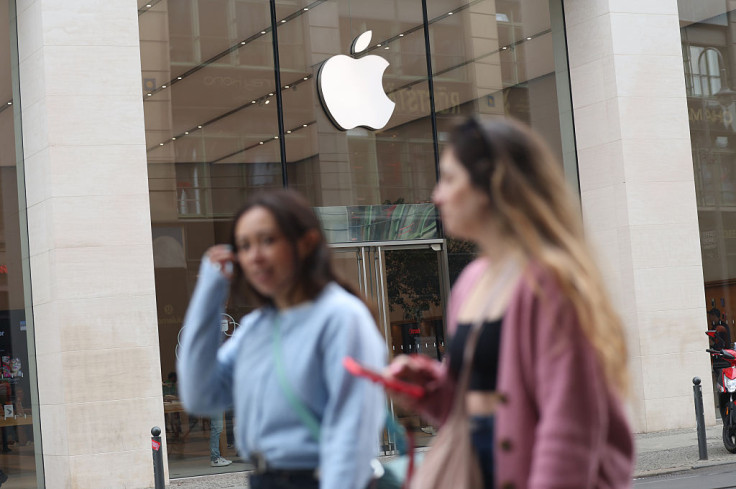
The Cupertino, California-based tech giant opened at $258.63 and traded in a session range of $254.37 to $258.77. Trading volume reached about 41.1 million shares, above average as investors digested the pullback. The prior close was $260.29, reflecting a reversal from recent stability following Apple's aggressive March announcements.
The dip aligned with weakness in major indexes, including the Nasdaq Composite, as crude oil surged on renewed Iran-related concerns potentially disrupting global supply chains. Higher energy costs could weigh on consumer spending and corporate margins, indirectly pressuring Apple's ecosystem reliant on discretionary purchases.
Despite the day's retreat, Apple's fundamentals showed resilience. The stock has navigated a volatile start to 2026, down roughly 5.21% year-to-date after peaking near $285 in late 2025. Its 52-week high stands at $288.62, while the low is $169.21, highlighting strong recovery from earlier lows.
The recent product wave provided a key catalyst. Apple unveiled a series of devices in early March, including the iPhone 17e, a more affordable entry in the iPhone 17 family priced competitively with enhanced features like the A19 chip, 48MP Fusion camera, MagSafe support, and doubled base storage at 256GB. Available for pre-order starting March 4 and shipping March 11, the device targets budget-conscious consumers and emerging markets.
On March 3, Apple introduced the MacBook Air with M5 chip, emphasizing performance gains, AI capabilities via an upgraded Neural Engine, standard 512GB storage, Wi-Fi 7 via the N1 chip, and up to 18 hours of battery life. The 13- and 15-inch models arrived in fresh colors, positioning the laptop as a value leader for students, creatives, and business users.
The company also refreshed the MacBook Pro lineup with M5 Pro and M5 Max chips, delivering breakthroughs in CPU speed, GPU performance, and on-device AI—up to 4x faster than prior generations in some workloads. Higher base storage (1TB for M5 Pro, 2TB for M5 Max), Thunderbolt 5 support, and extended battery life up to 24 hours underscored Apple's push into professional workflows.
Additional announcements included an updated iPad Air powered by M4, offering 30% better performance over M3 models, more memory, Wi-Fi 7, and enhanced iPadOS 26 features. A low-cost MacBook Neo at $599, powered by an A-series chip, targeted budget buyers and education segments, while refreshed Studio Displays, including a Mini LED XDR variant, rounded out the portfolio.
Analysts viewed the launches positively. Wedbush's Dan Ives called Apple's strategy "smart," highlighting expansion into accessible price points while maintaining premium ecosystem strength. The moves aim to counter softening iPhone demand in some regions and accelerate services growth, which hit record highs in recent quarters.
Apple's fiscal first-quarter 2026 results, reported earlier, showed revenue of $143.8 billion, up 16% year-over-year, with services contributing significantly. Guidance pointed to continued expansion, though macro headwinds like geopolitical risks and potential inflation from energy shocks loom.
Wall Street remains largely bullish. Consensus ratings favor "Buy," with average 12-month price targets around $288 to $292, suggesting 12-15% upside from the March 6 close. Some firms have issued street-high targets, betting on AI integration across devices, robust services margins, and ecosystem lock-in.
Technical indicators show consolidation after December's peak. The stock trades at a forward P/E near 33, reasonable given earnings growth projections. Market cap hovers above $3.8 trillion, cementing Apple's position among the world's most valuable companies.
A quarterly dividend of $0.26 per share remains in place, with the ex-date in early February and yield around 0.40%. The payout underscores confidence in cash flow, even as R&D spending rises on AI and silicon advancements.
Looking ahead, investors eye Apple's April earnings for fiscal second-quarter updates. Key focuses include iPhone 17e uptake, Mac refresh traction, services momentum, and any commentary on AI features under Apple Intelligence. Geopolitical developments and Fed policy will also influence sentiment.
In Seoul, where tech stocks often track U.S. cues, local investors monitored Apple's performance closely amid global volatility. The recent product blitz offers fresh catalysts, but near-term risks from energy-driven inflation and supply concerns persist.
Analysts like those at Wedbush and others see the dips as potential entry points, given Apple's innovation track record and loyal user base. While external shocks dominated March 6 trading, the company's strategic expansion into broader price tiers and AI-enhanced hardware positions it for sustained growth.
The session's close left AAPL below recent averages, sparking debate over whether this marks a healthy pause or signals deeper caution. For now, Apple's blend of hardware momentum and services durability provides a counterweight to macro pressures.
© Copyright 2026 IBTimes AU. All rights reserved.
- MOST POPULAR IN News