10 Key Facts: Taylor Swift Files Trademarks for Voice and Image to Combat AI Deepfakes:
NEW YORK — Taylor Swift has filed three trademark applications with the U.S. Patent and Trademark Office to protect her voice and likeness from unauthorized AI-generated content, marking the latest high-profile effort by a celebrity to safeguard personal identity in the rapidly evolving era of artificial intelligence.
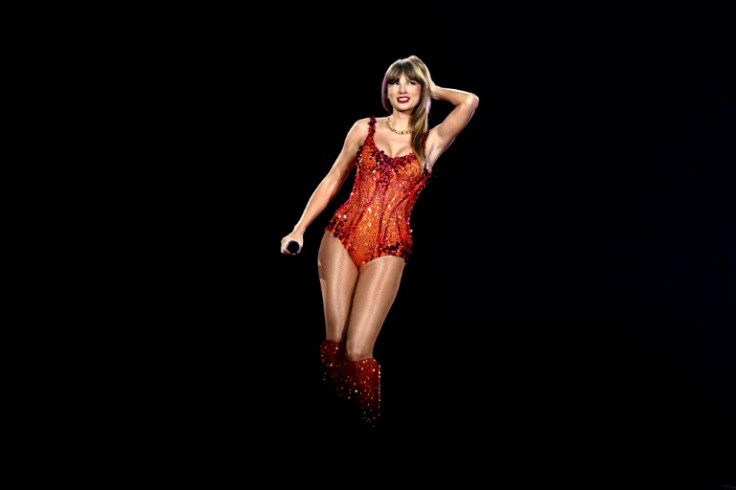
The filings, submitted Friday, April 24, 2026, through her company TAS Rights Management, include two sound trademarks featuring her spoken introductions — "Hey, it's Taylor Swift" and "Hey, it's Taylor" — and one visual trademark covering a specific onstage photograph from her Eras Tour. In the image, Swift holds a pink guitar with a black strap while wearing a multicolored iridescent bodysuit and silver boots on a pink stage.
Legal experts say the move is a proactive defense against deepfakes that have proliferated in recent years, including AI-generated songs, fake endorsements, political messages and explicit content using Swift's likeness. The applications signal growing concern among entertainers about losing control over their most personal assets — voice and appearance — in an AI-driven digital landscape.
Here are 10 essential things to know about Swift's trademark filings and the broader issue:
- Sound Trademarks Are Rare but Powerful: Unlike standard brand logos, sound marks protect distinctive audio elements. By trademarking specific spoken phrases in her voice, Swift aims to block unauthorized use in AI-generated audio, advertisements or synthetic music.
- Visual Protection Targets Iconic Imagery: The chosen photo captures a signature Eras Tour look, helping establish legal rights over a specific visual representation that could be replicated by AI image generators.
- Response to Rising Deepfake Incidents: Swift has been a frequent target of AI misuse, including fake political endorsements during the 2024 election cycle and non-consensual explicit images that circulated widely online.
- Follows Industry Trend: Other stars, including Matthew McConaughey, have pursued similar protections. The filings reflect a broader push by entertainers and athletes to secure intellectual property rights over their persona before AI tools become even more sophisticated.
- Potential Legal Precedent: Successful registration could strengthen Swift's ability to pursue legal action against platforms or creators using AI versions of her voice or image without permission, though enforcement remains complex across jurisdictions.
- Timing Amid Career Peak: The applications come as Swift continues dominating global charts and touring, making protection of her brand more valuable than ever. Her voice is not just artistic but a commercial asset tied to sponsorships and merchandise.
- Challenges in AI Regulation: Current U.S. law offers limited specific protections against deepfakes. Trademark filings provide one tool, but advocates push for comprehensive federal legislation to address non-consensual AI content more broadly.
- Impact on Fans and Creators: While aimed at misuse, the move raises questions about how it might affect fan art, covers or AI tools used creatively. Swift has historically maintained strong relationships with her fanbase, Swifties.
- Global Implications: Trademark protection in the U.S. is a starting point, but Swift may pursue international filings. AI deepfakes cross borders easily, requiring coordinated legal strategies.
- Broader Celebrity Shift: As generative AI advances, more stars are expected to follow Swift's lead. The filings highlight a tension between technological innovation and personal rights in the digital age.
Intellectual property attorney Josh Gerben, who first noted the filings, described them as a clear attempt to create legal barriers against AI impersonation. He noted that sound trademarks are difficult to obtain but can be highly effective once granted.
The applications come at a time of heightened scrutiny over AI in entertainment. Record labels, unions and artists have lobbied for stronger safeguards, with some platforms implementing watermarking or detection tools for synthetic content. However, enforcement remains inconsistent, and deepfake technology continues to improve rapidly.
Swift has not publicly commented on the filings, consistent with her private approach to business matters. Her team has previously spoken out against unauthorized use of her likeness, particularly in explicit or misleading contexts. The move aligns with her history of advocating for artists' rights, including high-profile battles over music ownership and streaming royalties.
Industry observers view this as part of Swift's strategic evolution. From re-recording her catalog to building a massive global brand, she has consistently protected and leveraged her intellectual property. Trademarking core elements of her persona extends that philosophy into the AI era.
Public reaction has been largely supportive among fans, who see it as another example of Swift taking control of her narrative. Social media buzzed with praise for her proactive stance, though some creators expressed concern about potential overreach affecting parody or transformative works.
Legal experts caution that approval is not guaranteed. The USPTO will examine the applications for distinctiveness and potential conflicts. If granted, the trademarks could last indefinitely with proper maintenance, providing long-term protection.
The development underscores a larger cultural shift. As AI tools democratize content creation, boundaries between real and synthetic blur. Celebrities like Swift, with immense cultural capital, are at the forefront of defining new rules for digital identity in the 21st century.
Whether these trademarks will fully deter misuse remains uncertain, but they send a strong signal: Taylor Swift intends to maintain ownership over her voice and image in an increasingly artificial world. As the applications move through the approval process, they will likely inspire similar actions across the entertainment industry.
For now, the filings represent another chapter in Swift's ongoing navigation of fame, technology and artistic control — one that could shape how future generations of performers protect themselves in the age of AI.
© Copyright 2026 IBTimes AU. All rights reserved.
- Recommended For You