Volkswagen stops sale of diesel cars, faces fine for cheating on emissions data
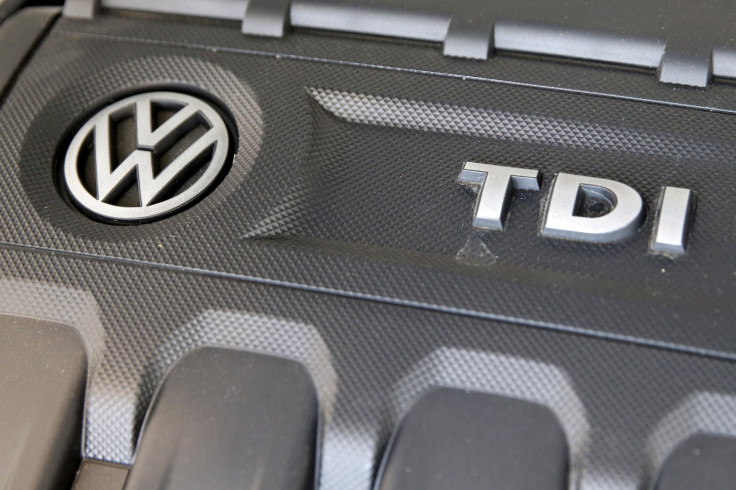
German automaker Volkswagen AG announced it is halting American sales of its diesel-powered cars in light of allegations that the company intentionally cheated on US emissions tests. Last week, the US Environmental Protection Agency, or EPA, and the California Air Resources Board accused Volkswagen of using software called “defeat device,” which makes diesel-powered engines appear to have lower levels of emissions.
As a result of the cheating claims, the company halted selling its 2015 and 2016 models containing the four-cylinder 2.0-liter turbo direct injection, or TDI engine that is being contested. The EPA investigation, which involves cars sold since 2008, could force Volkswagen and its Audi unit to recall around 482,000 vehicles that contain what the company claimed clean diesel engines. This includes Volkswagen’s Passat, Jetta, Golf, Beetle and in Audi’s A3 luxury compact model.
For saying that its vehicles have clean diesel engines, the company is also facing fines amounting to $37,500 per car or a total of more than $18 billion. Volkswagen Chief Executive Martin Winterkorn issued a sweeping apology for violating customers’ trust. “I personally am deeply sorry that we have broken the trust of our customers and the public. We do not and will not tolerate violation of any kind of our internal rules or of the law. This matter has first priority for me,” he said in a statement issued on Sunday. Winterkorn claimed the company is cooperating with authorities and has launched an external probe.
Volkswagen’s alleged use of defeat devices in research and testing was uncovered by the International Council on Clean Transportation, a non-profit research organization working with governments to cut air pollution from mobile sources, and West Virginia University researchers. According to allegations, the software used by Volkswagen activates full emissions controls during testing but reduces its effectiveness during normal driving. As a result, cars can emit nitrogen oxides at up to 40 times the allowable standard, the EPA claimed. The agency is currently working the Justice Department in the investigation.
Volkswagen is not the first global car company to be embroiled in such false claims issues. In November 2014, South Korean automakers Hyundai Motor Co. and Kia Motors Corp. agreed to pay a record $100 million penalty for overstating fuel economy estimates, in addition to the paying another $200 million in regulatory credits. Prior to the agreement, the two companies settled a class-action suit over its mileage claims for nearly $400 million.
Contact the writer at feedback@ibtimes.com.au or tell us what you think below.
- MOST POPULAR IN Science