

Texas Senate Primary 2026: Cornyn and Paxton Head to Runoff, Talarico Wins Democratic Nod in High-Stakes Races
AUSTIN, Texas — Incumbent U.S. Sen. John Cornyn narrowly edged Texas Attorney General Ken Paxton in the Republican primary for U.S. Senate on March 3, 2026, setting up a bruising May 26 runoff, while state Rep. James Talarico secured the Democratic nomination outright in a contest that highlighted deep intraparty divisions and record spending.
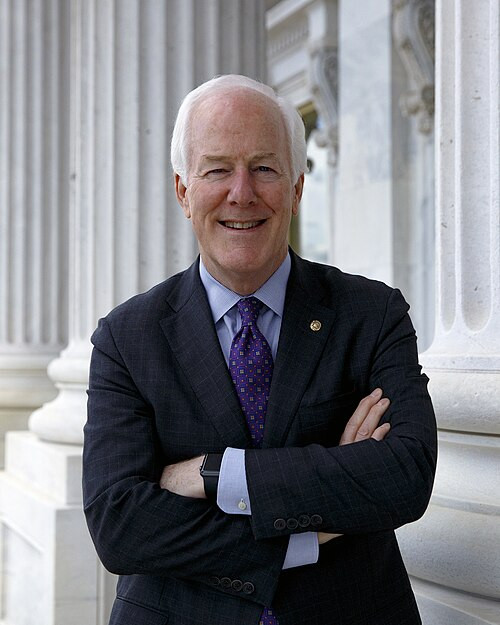
With about 83-88% of precincts reporting as of early March 4, Cornyn led with 41.9% (864,382 votes) to Paxton's 40.8% (842,617 votes), according to Associated Press tallies. U.S. Rep. Wesley Hunt trailed with around 13%. No candidate reached the 50% threshold needed to avoid a runoff, triggering the state's second major Senate primary showdown in recent cycles.
On the Democratic side, Talarico captured 53.2% (1,079,583 votes) to defeat U.S. Rep. Jasmine Crockett's 45.5% (923,744 votes) and minor candidate Ahmad Hassan's 1.3%. CNN and other outlets projected Talarico as the winner, marking a significant upset for Crockett, who had positioned herself as a progressive voice from Dallas.
The March 3 primary, the first major contest of the 2026 midterm cycle alongside smaller races in Arkansas and North Carolina, drew massive attention due to its implications for Senate control and the future of the GOP in Texas. Ad spending topped $122 million — the most expensive Senate primary on record — fueled by super PACs, national donors and intense advertising in urban and rural markets.
Cornyn, seeking a fifth term, campaigned as a steady conservative with deep Washington ties, emphasizing his work on border security, veterans' issues and judicial confirmations. Establishment Republicans rallied behind him, warning that a Paxton nomination could jeopardize the seat in November amid concerns over electability in a general election. Paxton, aligned closely with the MAGA wing and President Donald Trump (who did not endorse in the primary), attacked Cornyn as out of touch with the base, highlighting immigration enforcement and cultural issues.
The tight margin — under 22,000 votes separating the top two — reflected polling trends that showed the race neck-and-neck, with Paxton often leading surveys but Cornyn benefiting from strong turnout in suburban and establishment strongholds. Hunt, representing a Houston-area district, drew support from younger conservatives but finished a distant third.
In the Democratic contest, Talarico — a moderate from Williamson County with a focus on education, health care and bipartisanship — surged late, appealing to Hispanic and white voters in Central Texas. Crockett, known for her fiery rhetoric and national profile, dominated in urban Black communities but struggled to expand beyond her base. Talarico's win positions Democrats to challenge for a statewide seat they haven't held since 1994, though Texas remains heavily Republican territory.
The primary unfolded amid broader national headlines, including ongoing U.S.-Israel military operations against Iran, which some candidates addressed in closing statements. Turnout appeared solid, with early voting strong in key counties like Harris (Houston) and Dallas, though final figures were pending.
The Republican runoff promises further fireworks. Paxton has pledged a more aggressive challenge to Cornyn in May, when lower turnout often favors insurgent candidates. Cornyn's camp emphasized his fundraising edge and broad appeal for the general election against Talarico or any Democratic nominee.
Analysts note the primary's outcome could reshape Texas politics. A Paxton nomination might energize the GOP base but alienate moderates and independents in November, while Cornyn's survival would maintain establishment control. For Democrats, Talarico's victory offers a fresh face to rebuild statewide viability after years of setbacks.
The general election is set for Nov. 3, 2026, with the winner serving a six-year term. Texas remains a Republican-leaning state — Donald Trump carried it by about 13 points in 2024 — but shifting demographics in urban areas keep the seat in play for ambitious challengers.
As results continue to finalize, attention shifts to the May 26 runoff, where spending and turnout will likely decide the GOP nominee and set the stage for a high-profile November battle.
© Copyright 2026 IBTimes AU. All rights reserved.