

Middle East Airport Status Update: Which of 10 Major Hubs Are Open, Disrupted or Closed as Flight Bans Drag On
Dubai, Doha and Tel Aviv are operating, while Riyadh faces restrictions and Tehran's main international airport remains closed to commercial flights.
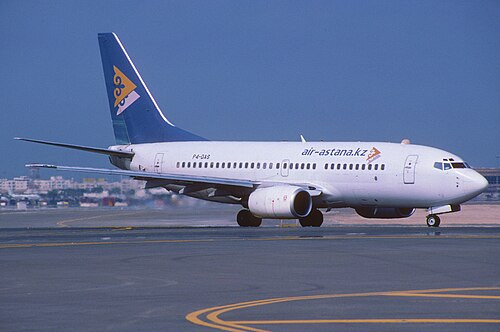
Air travel across the Middle East remains disrupted months into the regional conflict. Most major airports are open, but many international airlines are still suspending or cutting routes, and one major hub remains shut.
Travelers face a patchwork of conditions. Some airports are operating near normal, while others are dealing with delays, cancellations and airline suspensions that in some cases run well into 2027.
Here is the latest status of 10 major airports in the region, based on recent tracking data and airline announcements. Conditions are changing quickly, and travelers should confirm details with their airline before going to the airport.
1. Dubai International (DXB) — Open
Dubai, the region's busiest international hub, is operating. Several foreign carriers have stayed away, however. KLM has suspended Amsterdam–Dubai flights until March 27, 2027, and Singapore Airlines has extended its Dubai suspension until Feb. 28, 2027.
There is some relief ahead. Lufthansa will resume Munich–Dubai flights with five weekly services on Nov. 25, and Eurowings will restart daily Berlin–Dubai flights. Lufthansa's Frankfurt–Dubai route, along with Dubai services by Austrian Airlines, Swiss and ITA Airways, will remain suspended through the end of the 2026/27 winter season.
2. Istanbul Airport (IST) — Open
Istanbul is operating normally and has become an important alternative hub for travelers rerouting around disrupted Gulf airports.
3. Hamad International, Doha (DOH) — Open, minor disruption
Doha is open with limited disruption. Qatar Airways resumed flights to Riyadh on Nov. 13 and Dammam on Nov. 14. Finnair has suspended Doha flights until March 27, 2027.
4. King Khalid International, Riyadh (RUH) — Partially open
Riyadh remains the most troubled major Gulf airport still in operation. It shut on Oct. 10 after a Houthi attack that killed 13 people. It reopened Terminals 1 and 2 on Oct. 25, while the damaged Terminal 3 stayed out of service. Yemen's Houthis have warned airlines that they consider the airport a "military target."
Many airlines are still staying away. Etihad has extended its cancellation of Abu Dhabi–Riyadh and Abu Dhabi–Dammam flights to Nov. 30. Air France has paused Riyadh flights until Jan. 3, 2027, and KLM through Dec. 27. Sharjah-based Air Arabia has resumed some Saudi routes, including Riyadh. Recent tracking showed 21 delays and four cancellations at the airport.
5. King Abdulaziz International, Jeddah (JED) — Open
Jeddah is operating. British Airways has permanently suspended its Jeddah flights.
6. Zayed International, Abu Dhabi (AUH) — Open, delays
Abu Dhabi is open but experiencing delays, with recent tracking showing 36 delayed flights. British Airways' Abu Dhabi service remains suspended. Etihad said the situation remained dynamic and further changes were possible, urging passengers to check their flight status before traveling.
7. Imam Khomeini International, Tehran (IKA) — Closed
Tehran's main international airport remains closed, with Iranian airspace shut to commercial traffic.
8. Ben Gurion, Tel Aviv (TLV) — Open
Tel Aviv is operating with reduced schedules. Air France and Lufthansa have resumed flights, though some routes are running at lower frequency.
9. Kuwait International (KWI) — Open, disrupted
Kuwait is open, but some services have been cut. Emirates' Dubai–Kuwait route is fully suspended.
10. Cairo International (CAI) — Open
Cairo is operating with moderate disruption. Recent tracking showed 13 delays and three cancellations.
Other hubs
Bahrain International and Muscat International in Oman are reported to be operating normally.
Advice for travelers
Aviation analysts and airlines advise passengers to:
Check flight status directly with the airline before leaving for the airport. Review rebooking and refund policies, as many carriers are offering free changes on affected routes. Allow extra travel time, since rerouted flights around closed airspace can run longer. Check government travel advisories, including Australia's Smartraveller, before booking. Confirm travel insurance coverage, since some policies exclude conflict-related disruption.
Airline schedules in the region are being revised often, sometimes daily. Even routes listed as operating can be cancelled at short notice if security conditions change.
© Copyright 2026 IBTimes AU. All rights reserved.