LinkedIn Down Now? LinkedIn Experiences Intermittent Access Issues for Some Users Worldwide
LinkedIn experiences user-reported disruptions, raising questions about potential technical issues.
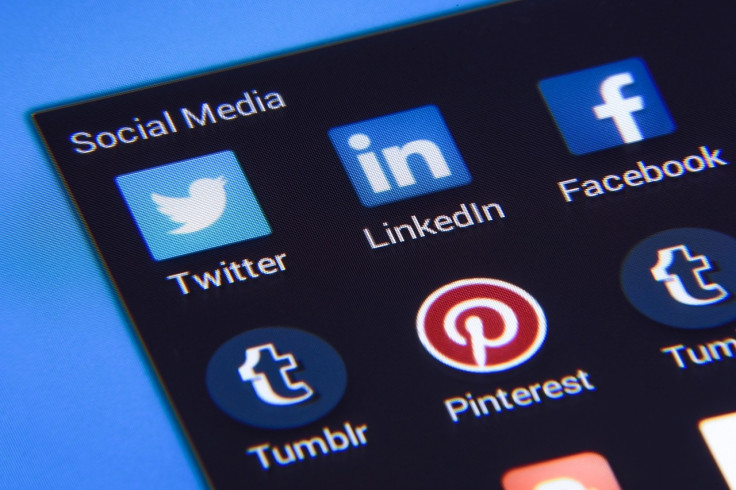
SAN FRANCISCO — LinkedIn, the Microsoft-owned professional networking platform, faced reports of disruptions Monday as some users encountered difficulties accessing the service, though the company has not confirmed a widespread outage.
Social media users and monitoring sites noted scattered problems, with complaints ranging from slow loading times to temporary inability to log in or view feeds. The issues appeared to affect a portion of the platform's global user base, prompting questions about potential technical glitches or localized server problems.
As of early Monday, status monitoring services showed mixed reports, with some regions experiencing normal operations while others saw elevated error messages. LinkedIn's official status page indicated overall systems were operational, but individual user experiences varied.
The platform, which boasts hundreds of millions of members, serves as a critical tool for job seekers, recruiters, business professionals and companies worldwide. Disruptions, even brief ones, can impact networking, job applications and content sharing that many rely on daily.
Users took to alternative platforms like X to share frustrations and seek confirmation from others. Posts described error messages, endless loading screens and failed login attempts. Some suggested trying different devices, clearing browser caches or using mobile apps as workarounds.
Microsoft, LinkedIn's parent company, has a strong track record of maintaining high uptime for its services. Past outages have typically been resolved quickly, often within hours, through targeted technical fixes. No official statement addressing Monday's reports was immediately available.
Industry analysts note that professional networking sites like LinkedIn are particularly sensitive to downtime because users often access them during work hours for time-sensitive activities such as candidate outreach or industry updates. Even short interruptions can lead to productivity dips across sectors.
Possible causes for such issues include routine maintenance, unexpected traffic spikes, third-party service dependencies or regional network problems. Without confirmation from LinkedIn, speculation remains centered on standard troubleshooting advice.
For those affected, experts recommend checking LinkedIn's status page, testing on multiple networks or devices, and waiting a short period before retrying. VPNs sometimes help bypass localized routing issues, though results vary.
LinkedIn has invested heavily in infrastructure to support its massive scale. The platform processes enormous volumes of data daily, including profile views, messages and job postings. Reliability remains a top priority as remote and hybrid work models continue to elevate its importance.
This incident echoes previous minor disruptions reported on the service. In most cases, LinkedIn restores full functionality swiftly and communicates updates through official channels when widespread problems occur.
Professionals are advised to have backup plans for key activities. Many maintain alternative contact methods or use other platforms for urgent networking needs during potential outages.
The broader technology sector has seen increased scrutiny on service reliability amid growing dependence on digital tools. Outages at major platforms often highlight vulnerabilities in cloud infrastructure and global internet routing.
LinkedIn continues to expand features, including enhanced AI tools for job matching, content creation and learning. These innovations drive user engagement but also add complexity to backend systems.
Users in different time zones may experience varying impacts depending on peak usage periods. Monday mornings in major business hubs often see heightened activity, potentially exacerbating any underlying technical strain.
Monitoring sites like Downdetector provide real-time snapshots based on user reports, offering a crowd-sourced view of service health. Spikes in complaints can signal emerging problems before official acknowledgments.
For businesses relying on LinkedIn for recruitment or marketing, diversifying channels helps mitigate risks. Email newsletters, company websites and other social platforms serve as valuable complements during temporary hiccups.
As digital workspaces evolve, platform stability directly influences professional productivity. LinkedIn's role in career development and business connections makes reliability essential for maintaining user trust.
While Monday's reports appear limited in scope compared to major past outages, they underscore the need for robust contingency planning in an interconnected digital economy. Affected users are encouraged to stay patient as technical teams likely work behind the scenes to restore seamless access.
The professional networking giant has grown significantly under Microsoft's ownership, integrating more deeply with productivity tools like Office 365. This ecosystem approach aims to deliver consistent performance across services.
In the meantime, many users turned the situation into an opportunity for offline networking or catching up on non-digital tasks. Others shared tips for optimizing LinkedIn usage once access returns, such as updating profiles or engaging with industry groups.
Technology experts emphasize that occasional disruptions are inevitable in large-scale online services. The key lies in rapid detection, transparent communication and effective resolution to minimize user impact.
LinkedIn's vast database of professional information makes it indispensable for many, from recent graduates to seasoned executives. Quick recovery from any issues helps preserve its position as the go-to platform for career advancement.
As the day progresses, users should continue monitoring official channels for updates. In most similar cases, services normalize without long-term effects on accounts or data.
The episode serves as a reminder of digital infrastructure's fragility and the importance of building resilience into professional routines. Whether through diversified networks or cached information, preparedness can ease the sting of temporary outages.
© Copyright 2026 IBTimes AU. All rights reserved.
- Recommended For You