

(VIDEO) Lenovo Unveils Yoga Tab Gen 2 And Plus Gen 2 With 4K Screens, 7 Years Of Android Updates At IFA 2026
Lenovo's latest tablets offer high-end features and extended software support, aiming to rival Apple's iPad Pro and Samsung's Galaxy Tab S series.
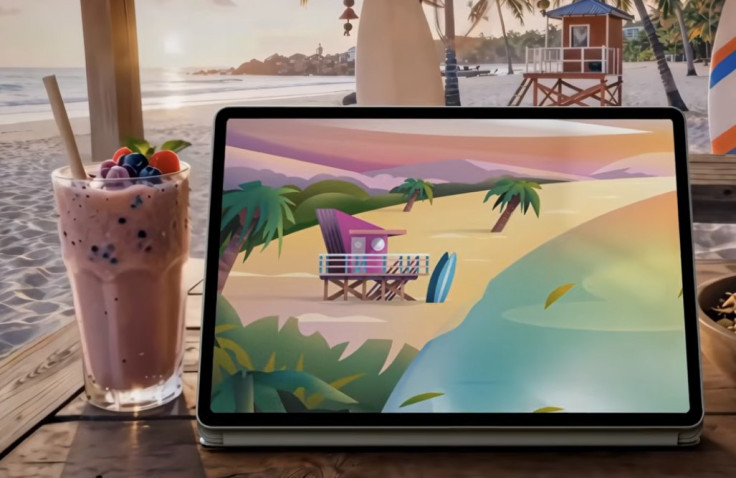
BERLIN — Lenovo unveiled two new flagship Android tablets at IFA 2026, the Yoga Tab Gen 2 and Yoga Tab Plus Gen 2, positioning both devices as premium, creator-focused slates aimed squarely at Apple's iPad Pro lineup and Samsung's high-end Galaxy Tab S series, backed by an unusually long software support commitment.
The 11.1-inch Yoga Tab Gen 2 starts at $729.99, while the larger 13-inch Yoga Tab Plus Gen 2 starts at $999.99 in the United States, with European pricing set at €649 for the standard model and €849 for the Plus. Both tablets are set to become available this month following their unveiling at Lenovo's Innovation World event at the Berlin trade show.
The smaller Yoga Tab Gen 2 features an 11.1-inch display with a 3,840-by-2,560-pixel resolution, translating to a pixel density of roughly 415 pixels per inch, running at up to a 144Hz refresh rate with support for Dolby Vision and peak brightness reaching 1,100 nits. The tablet is powered by MediaTek's Dimensity 9500s chipset, the company's 2026 flagship processor, paired with either 8GB or 12GB of RAM and 128GB or 256GB of expandable storage. An 11,000 mAh battery keeps the device running, supported by 68-watt charging, and the tablet measures just 8.56 millimeters thick.
The larger Yoga Tab Plus Gen 2 steps up considerably in both size and hardware. Its 13-inch "PureSight Pro" display shares the same 3,840-by-2,560-pixel resolution and 144Hz refresh rate as its smaller sibling, while adding full coverage of the DCI-P3 color gamut and matching the same 1,100-nit peak brightness rating. Rather than MediaTek silicon, the Plus model runs on Qualcomm's Snapdragon 8 Elite platform with an Oryon CPU, paired with 12GB or 16GB of RAM and 256GB or 512GB of expandable storage. A substantial 12,700 mAh battery, among the largest currently found in any Android tablet, powers the device alongside the same 68-watt charging support, and the Plus measures 8.27 millimeters thick despite its larger footprint. The Plus model also includes a six-speaker audio system tuned by Harman Kardon, along with a 13-megapixel-plus-2-megapixel rear camera setup and an 8-megapixel-plus-0.3-megapixel front camera combination.
Notably, the choice of processors between the two models has drawn some attention from reviewers, given that the cheaper Yoga Tab Gen 2's MediaTek chip actually outperforms the pricier Plus model's Snapdragon processor in certain benchmark tests. According to figures cited by Gagadget, the Dimensity 9500s benchmarks roughly 13% to 22% faster than the Snapdragon 8 Elite in GPU and multi-core performance tests, an unusual dynamic in which the entry-level tablet edges out its more expensive sibling on raw processing numbers, even though Lenovo has positioned the Plus as the more premium overall offering.
Both tablets ship with Android 17 out of the box, and Lenovo has committed to an unusually long software support window for the devices, covering seven major Android version upgrades through Android 24, alongside security updates continuing through 2033. That level of long-term software commitment places the tablets in line with, or ahead of, similar pledges recently made by companies including Google and Samsung for their premium smartphone lineups, reflecting a broader industry shift toward extended device longevity across product categories.
On the artificial intelligence front, both tablets include Lenovo's own Qira AI assistant built into the software experience. However, full access to Google's Gemini Intelligence features, including on-device AI processing, requires at least 12GB of RAM, meaning only the higher-memory 12GB configuration of the standard Yoga Tab Gen 2, along with both available memory configurations of the Plus model, are guaranteed to support the complete range of Gemini-powered AI features.
Both tablets support Lenovo's Tab Pen Pro 2 stylus, which introduces several new gesture-based features, including squeezing the pen barrel to create new content, double-tapping the pen, clicking the pen's tail to begin drawing, double-clicking the tail to start a recording, and flipping the pen over to erase. Both devices also support external keyboard accessories, though the Plus model includes a dedicated one-step magnetic keyboard folio as a more integrated accessory option compared with the standard model's optional detachable keyboard.
Connectivity across both tablets is largely identical, with Wi-Fi 7, Bluetooth 6.0 and USB-C 3.2 Gen 1 support included on both models, along with microSD card expansion for additional storage beyond the built-in configurations. Each tablet also includes a small status LED display on its back panel, which Lenovo has said serves a largely decorative function but can sync with music, video or game activity while in use.
Weight represents one of the more significant practical differences between the two models. The standard Yoga Tab Gen 2 weighs approximately 480 grams, while the larger Plus model weighs roughly 605 grams, a difference of about 125 grams that buyers will need to weigh against the Plus model's larger screen, stronger battery capacity and included keyboard accessory.
The new tablets enter a competitive premium Android tablet market that has grown increasingly crowded in recent months. Lenovo's Yoga Tab Plus Gen 2 faces direct competition from the recently released OnePlus Pad 4, which uses Qualcomm's newer Snapdragon 8 Elite Gen 5 chipset and offers a slightly larger 13.2-inch display, though with a lower overall resolution of 3,392 by 2,400 pixels compared with Lenovo's panel. Both Lenovo tablets are also positioned to compete against Apple's latest iPad Pro lineup and Samsung's Galaxy Tab S11 and Tab S11 Ultra models, with additional competition expected from Samsung's rumored upcoming Tab S12 Plus and Tab S12 Ultra devices.
With both the Yoga Tab Gen 2 and Yoga Tab Plus Gen 2 launching this month across the U.S. and several European markets, Lenovo is positioning the pair as its most ambitious entry yet into the premium Android tablet segment, betting that a combination of high-end display technology, extended software support and creator-focused accessories can help the devices stand out against increasingly capable competition from Apple, Samsung and OnePlus heading into the final months of 2026.
© Copyright 2026 IBTimes AU. All rights reserved.