

What to Do After a Car Accident in Australia: Legal Steps, Insurance Claims and Your Rights
Protect Your Rights and Navigate Insurance Claims with These Key Actions
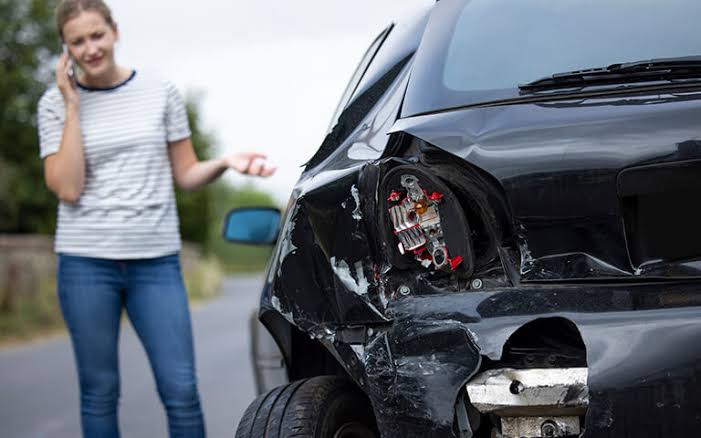
A car accident can turn an ordinary trip into a stressful legal and financial problem within minutes. Knowing what to do immediately after a crash can protect your safety, preserve important evidence and make it easier to deal with insurers or a potential legal claim.
Australian road and insurance rules vary between states and territories, so the exact reporting requirements and compensation process can depend on where the accident occurred. However, there are several practical steps drivers should take after almost any collision.
Stop, check for injuries and make the scene safe
The first priority after a crash is safety.
Drivers involved in an accident should stop and provide assistance to anyone who is injured. In NSW, for example, drivers are legally required to stop and help injured people after a crash.
If someone is seriously injured, there is a danger at the scene, or you believe emergency assistance is needed, call 000.
If it is safe to do so, move vehicles away from traffic where permitted and practical. Avoid creating another hazard while trying to document the accident.
Do not leave the scene simply because the damage appears minor. Legal obligations can apply even when a crash initially seems straightforward.
Exchange information with the other driver
After ensuring everyone is safe, exchange details with the other people involved.
Information worth collecting includes the driver's name, contact details, licence information, registration number and vehicle details. You should also obtain insurance information where available.
Financial regulator MoneySmart recommends collecting details such as the driver's name, address and phone number, the vehicle owner's information if different, licence and registration details, the insurer and basic vehicle information.
If witnesses saw what happened, ask for their contact details as well.
Do not rely on memory. A stressful accident can make it difficult to remember names, registration numbers or exactly what happened several hours later.
Photograph the accident scene
Evidence can become extremely important if the drivers disagree about who was responsible.
If you can safely do so, take photographs of:
- The vehicles and visible damage
- The position of the vehicles
- Registration plates
- Road signs and traffic signals
- Lane markings
- Skid marks or debris
- Damage to surrounding property
- The wider road or intersection
- Weather and road conditions
Photographs taken soon after the accident can help insurers and lawyers understand what happened.
NSW's State Insurance Regulatory Authority recommends recording the date, time and exact location of a crash, obtaining witness details and photographing the scene where possible.
A dashcam recording can also be valuable evidence. Keep the original recording rather than relying only on an edited clip.
Report the accident when required
Police reporting requirements differ across Australia.
In NSW, for example, certain crashes must be reported to police, including accidents involving death or injury, a driver who fails to stop and exchange details, a vehicle that is towed away, or a driver who appears to be affected by drugs or alcohol. Legal Aid NSW says these accidents generally need to be reported as soon as possible and within 24 hours unless exceptional circumstances apply.
Other states and territories have their own requirements.
If police attend, keep the event or incident number. Your insurer may request it when you make a claim.
If you are uncertain whether a report is required, check the rules that apply in the state or territory where the accident occurred.
See a doctor if you are injured
Some injuries are obvious immediately. Others may become noticeable later.
If you experience pain, dizziness, headaches, stiffness or other symptoms after a collision, seek medical attention. Keep medical records, receipts and other documents relating to treatment.
In NSW, people injured in motor accidents may be able to claim certain medical and related expenses through the compulsory third-party insurance system. SIRA says injured people should keep receipts and other evidence relating to treatment and earnings.
It is also important not to assume that a minor-looking injury will automatically remain minor. A medical assessment can establish what treatment is appropriate and create a record of the injury.
Understand the difference between CTP and car insurance
One of the biggest sources of confusion after an Australian car accident is insurance.
Compulsory Third Party, or CTP, insurance generally covers injuries to people caused by a vehicle. It does not generally cover damage to cars or other property.
Property damage is dealt with through other forms of motor insurance.
Third-party property damage insurance can protect against claims for damage caused to another person's vehicle or property. Comprehensive insurance generally provides broader cover, including damage to the insured vehicle as well as damage to other vehicles or property, subject to the policy's terms.
The exact cover depends on the policy.
Before making a claim, read the relevant policy and Product Disclosure Statement. MoneySmart notes that exclusions can apply, including circumstances involving an unregistered vehicle or certain conduct by the driver.
Notify your insurer promptly
If you have insurance, contact your insurer as soon as practical after the accident.
Even if you are unsure whether you will ultimately make a claim, check your policy because it may require you to notify the insurer about an accident.
Your insurer may ask for photographs, the location and circumstances of the accident, a police report number, witness information and towing details.
Do not assume that speaking to the other driver or agreeing to pay for repairs privately will resolve the matter permanently. Damage that initially appears inexpensive can turn out to be more significant after an inspection.
Be careful about admitting fault
An accident can happen quickly, and drivers do not always have all the facts immediately afterward.
Avoid making definitive statements about legal responsibility before the circumstances have been properly established. Instead, record what you observed and provide factual information to your insurer or lawyer.
This does not mean refusing to cooperate. It means avoiding speculation about matters you may not fully understand at the scene.
If the other driver, their insurer or a lawyer later alleges that you caused the accident, keep copies of all correspondence and seek advice before agreeing to a significant payment or settlement.
Keep every document
Create a file containing photographs, police information, insurance correspondence, repair estimates, medical records, receipts and notes about the accident.
If you miss work because of an injury, keep evidence of lost income. NSW's SIRA guidance specifically identifies proof of earnings as relevant evidence for certain motor accident injury claims.
Good record-keeping can make an insurance or legal dispute much easier to manage.
When should you speak to a lawyer?
Not every minor crash requires a lawyer.
Legal advice can become particularly important when someone has suffered significant injuries, fault is disputed, an insurer rejects a claim, another party demands substantial compensation, or the accident has resulted in serious financial losses.
Injury claims can also have strict deadlines. For example, NSW's motor accident scheme has specific time limits for reporting accidents and lodging different types of claims.
Because the rules differ across Australia, someone injured in a crash should not assume that a deadline in one state applies everywhere.
The bottom line
After a car accident, the best approach is to stay calm, put safety first and document as much as possible.
Stop and assist anyone who is injured. Exchange details. Photograph the scene if it is safe. Report the accident when required. Notify your insurer and keep records of expenses, damage and medical treatment.
Most importantly, do not assume that a quick agreement at the roadside settles every legal issue.
Australian motor accident laws are state and territory based, and the right insurance or compensation pathway can depend on the circumstances of the crash. If serious injuries or a disputed claim are involved, getting legal advice early can help protect your rights and avoid costly mistakes.
© Copyright 2026 IBTimes AU. All rights reserved.