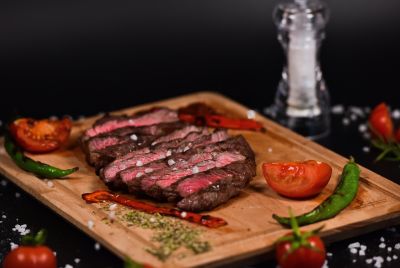
Australians Maintain High Meat Consumption in 2026 Despite Flexitarian Shifts and Plant-Based Pressures
SYDNEY — Australians continue to rank among the world's highest per-capita meat consumers in 2026, with total meat intake hovering near 109 kilograms per person annually even as health awareness, cost-of-living pressures and growing interest in flexitarian diets exert downward pressure on some categories.
Industry forecasts and government data indicate chicken remains the dominant protein on Australian plates, while beef and lamb hold strong cultural positions despite modest per-capita declines in certain red meats. Overall meat consumption is projected to edge slightly higher or stabilize around 108.8–109 kg per capita in 2025-26 before a potential small dip in 2026-27, according to IBISWorld analysis.

Meat & Livestock Australia (MLA) and other sources describe Australia as one of the top global beef consumers per person, well above OECD averages, with domestic markets absorbing roughly 30% of beef production and 25% of sheepmeat output.
Per Capita Trends and Breakdown
Recent IBISWorld projections place total meat consumption at approximately 109 kg per capita in 2026, reflecting a 0.6% increase during the 2025-26 period to around 108.8 kg before a forecasted 1.9% decline to 106.7 kg the following year. Chicken leads the charge, expected to reach about 50 kg per person, benefiting from affordability, perceived health benefits and versatility in everyday meals.
Beef and veal consumption hovers around 20 kg per capita, remaining elevated compared to global norms but showing some softening amid price fluctuations and dietary experimentation. Lamb and pork occupy smaller but steady shares, with pork consumption volumes rising overall due to population growth even as per-capita figures remain relatively stable or see marginal declines.
Broader historical context from the Australian Bureau of Statistics shows meat and poultry intake rising 2.3% year-on-year in 2023-24 to an average of 145 grams per person per day. Poultry accounted for about 44% of that total, with beef, lamb and pork making up 36%. Processed meats continued a longer-term decline.
MLA snapshots reinforce Australia's status as a high beef-consuming nation, with domestic demand shaped by demographic diversity, household budgets and evolving attitudes toward health and convenience. Beef ranks highly for trusted quality and taste but trails chicken in perceptions of being "easy everyday" protein, particularly among younger and migrant households.
Drivers of Consumption Patterns
Several factors underpin 2026 consumption levels. Strong associations with protein, iron and overall wellbeing support red meat intake, especially among those increasing consumption. MLA community sentiment research from late 2025 showed a notable shift: for the first time in 15 years of tracking, more metropolitan Australians reported eating red meat more often (24%) than less often (22%), with younger consumers (18–34) particularly driving the "increasers" group.
Population growth, including migration, continues to expand the overall market. However, culturally diverse households sometimes under-index in red meat familiarity, creating both challenges and opportunities for tailored marketing and cuts.
Cost-of-living pressures play a dual role. Higher retail prices for some meats have prompted value-seeking behavior, yet many consumers remain willing to pay premiums for quality, provenance and freshness. Lower production costs from strong domestic output have helped offset some declines by keeping prices competitive in certain categories.
Health consciousness cuts both ways. While some Australians cite iron and protein benefits for increasing red meat, rising awareness of chronic disease risks and environmental considerations fuels flexitarianism. Nearly 20% of Australians are actively reducing meat intake, boosting demand for plant-based alternatives even as those products face their own challenges with taste, price and repeat purchase rates.
Plant-Based Alternatives and Flexitarianism
The rise of flexitarians — people reducing but not eliminating meat — represents a structural shift. Surveys indicate growing interest in plant-based meals, particularly in capital cities and among younger demographics, though barriers persist. Plant-based meat sales grew significantly in prior years but have faced headwinds, including supermarket shelf contraction and consumer drift toward less processed "real foods."
Vegan and vegetarian identification remains relatively low nationally, but the broader reduction trend drives innovation in meat alternatives, with chicken and pork-style products dominating that segment. Environmental and animal welfare concerns motivate some reducers, while health and cost influence others.
Despite this, traditional meat retains strong cultural embedding in barbecues, family meals and foodservice. MLA's "Rare Medium: 2026 Red Meat Trends" highlights evolving menu applications, including whole carcase utilisation, global flavour fusions, luxury cuts, slow cooking, signature dishes and snack-forward formats that keep beef and lamb relevant in restaurants and homes.
Production, Exports and Domestic Supply
Australia's meat industry operates in a dual domestic-export framework. Record or near-record beef production and slaughter levels in recent years, including forecasts for 2026, support both strong exports (projected at record volumes in some categories) and ample domestic supply. The national cattle herd remains above 30 million head, though gradual rebuilding dynamics could tighten supply later in the decade.
Domestic channels — retail, foodservice and online — absorb significant volumes. Beef domestic utilisation sits around 63% of production in recent snapshots, with retail and foodservice splits reflecting everyday and occasional consumption patterns. Sheepmeat shows even higher domestic reliance in some years.
Exports, particularly to markets like the United States, China and others, influence domestic pricing and availability. Global events, currency fluctuations and competitor supply (such as from Brazil) add volatility, yet Australia's reputation for quality and traceability supports demand.
Sustainability and Future Outlook
Sustainability emerges as a key theme in 2026 industry discussions. Producers focus on emissions reduction, animal welfare improvements and regenerative practices to align with consumer expectations and regulatory pressures. Younger generations, including Gen Z and Millennials, influence formats, flavours and channels while showing openness to both traditional and alternative proteins.
The overall meat market value continues modest growth, projected to expand from around USD 29.15 billion in 2025 toward higher figures by the mid-2030s at a low-single-digit CAGR, driven by population and premium positioning rather than explosive per-capita gains.
Challenges include balancing export opportunities with domestic affordability, addressing demographic diversity in marketing, and competing with convenient plant-based options without alienating core consumers.
Implications for Consumers and Industry
For everyday Australians, meat — especially chicken and beef — remains a dietary staple, though portion sizes, frequency and cut choices evolve with budgets and values. Health-focused messaging around protein and iron resonates, while convenience innovations help counter perceptions that red meat requires more preparation time than poultry.
Industry stakeholders emphasize education on cooking techniques, recipe ideas and nutritional benefits to sustain engagement. Foodservice trends toward snackable, globally inspired and waste-reducing preparations signal adaptation to modern lifestyles.
As 2026 progresses, consumption patterns will likely reflect a nuanced balance: high overall volumes sustained by population growth and cultural preference, tempered by flexitarian reductions and competition from alternatives. Australia's position as a major producer and consumer ensures the sector remains economically vital, employing thousands and contributing significantly to rural economies and export earnings.
Whether through a classic barbecue steak, versatile chicken stir-fry or innovative lamb dish, meat continues occupying a central place on Australian tables. Ongoing shifts toward mindful consumption suggest the industry must innovate in sustainability, accessibility and appeal to maintain its strong foothold in the national diet.
© Copyright 2026 IBTimes AU. All rights reserved.
- MOST POPULAR IN Travel & Food