

Uber (UBER) Stock Climbs Over 5% in Midday Trading on March 18, 2026, Fueled by Robotaxi Partnerships
Uber Technologies Inc. (NYSE: UBER) shares surged more than 5% in midday trading Wednesday, March 18, 2026, building on momentum from recent announcements of major robotaxi collaborations and expanding autonomous vehicle ambitions that have investors betting on the ride-hailing giant's future in driverless mobility.
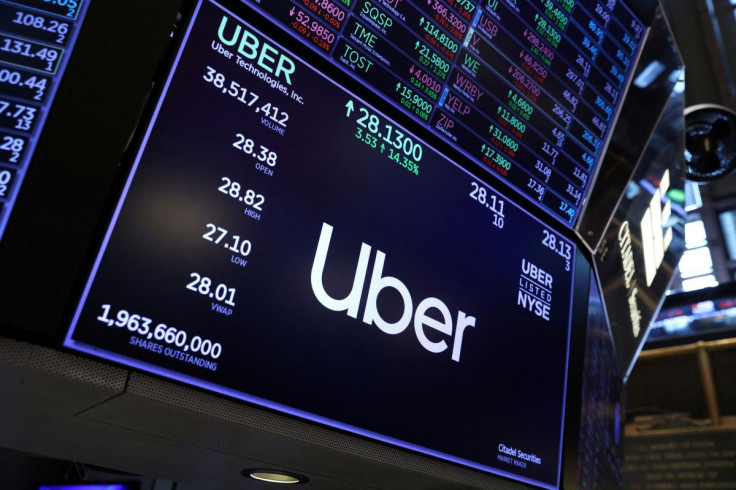
As of around 11:00 a.m. EDT, UBER traded at approximately $78.50, up $3.84 or 5.14% from Tuesday's close of $74.66, according to real-time data from Yahoo Finance and other platforms. Volume approached 5 million shares in the opening hours, signaling strong interest amid broader market gains. Pre-market trading had already shown strength, with shares quoted as high as $76.28 before the bell.
The rally follows a series of high-profile developments in Uber's autonomous strategy. Earlier this month, Uber announced partnerships to deploy robotaxis, including a deal with Amazon's Zoox unit to integrate self-driving vehicles into the Uber app in select cities, starting with plans for Los Angeles and San Francisco by 2027. The collaboration, paired with Nvidia's technology for scaling to 28 global cities, positions Uber as a leader in commercializing Level 4 autonomy without owning the fleet.
Additional announcements included robotaxi launches with Motional in Las Vegas, collaborations with Nissan and Wayve in Japan, and ongoing expansions in other markets. Analysts have described these as "deal after deal" moves that bolster Uber's platform as the go-to marketplace for autonomous rides, potentially reducing driver costs and boosting margins long-term.
"Uber is doubling down on robotaxis with bold partnerships," one analyst noted in a recent report. The moves come after a period of underperformance, with shares down about 12% over the prior three months amid concerns over Q1 2026 guidance and broader market pressures on growth stocks.
Despite the recent dip, Uber's fundamentals remain solid. The company guided for first-quarter gross bookings growth of 17% to 21% year-over-year on a constant-currency basis, reflecting resilience in mobility and delivery segments. Uber continues to benefit from network effects, with increasing trip volumes and higher average bookings per trip.
Analyst sentiment leans strongly positive. Consensus ratings hover at Buy, with average price targets ranging from $103.81 to $107.64 across firms like Jefferies, Evercore ISI, Wedbush and others. Some targets reach as high as $150, while the low end sits at $70. Recent upgrades and reiterations emphasize Uber's path to profitability through platform scale, acquisitions like Getir Türkiye, and autonomous upside.
The stock's 52-week range spans roughly $60.63 to $101.99, with an all-time high of $100.10 reached in October 2025. Current levels place UBER below that peak but well above lows, supported by a market capitalization exceeding $150 billion.
Challenges persist, including regulatory scrutiny over pricing practices — with reports of U.S. probes into potential AI-driven surveillance pricing — and competition in delivery and mobility. Uber and peers like Lyft have faced questions about dynamic pricing algorithms, though no major resolutions have emerged.
Uber's diversification into freight, advertising and other verticals adds revenue streams beyond core rides. The company's focus on higher-margin opportunities, including Uber Eats enhancements and luxury services like "Uber Elite," contributes to improving profitability metrics.
Market observers note that autonomous vehicle progress remains a key catalyst. Partnerships with established players like Zoox (Amazon), Motional, Nissan and Wayve reduce capital intensity for Uber while accelerating deployment. Nvidia's involvement in compute and mapping further enhances scalability.
As trading continues March 18, attention turns to whether UBER can sustain gains toward recent highs or encounter resistance near $80. Broader tech sector performance and any fresh autonomous updates could influence direction.
Uber, founded in 2009 and public since 2019, has evolved from a ride-hailing disruptor to a multifaceted mobility platform. CEO Dara Khosrowshahi has emphasized becoming the "Amazon of transportation," leveraging the app's reach for diverse services.
With ongoing robotaxi momentum and analyst backing, UBER's recent surge underscores investor confidence in its ability to navigate regulatory and competitive landscapes while capitalizing on emerging technologies.
© Copyright 2026 IBTimes AU. All rights reserved.