NVIDIA Stock Climbs 1.2% to $200 as AI Demand Fuels Continued Momentum in Chip Sector
NVIDIA Corp. shares rose more than 1% Friday, climbing to $200.67 in midday trading on the Nasdaq as investors continued to bet on the company's dominance in artificial intelligence infrastructure, even amid broader market volatility and upcoming supplier earnings reports.
The stock gained $2.32, or 1.17%, by 1:05 p.m. EDT, extending a recent winning streak and trading well above key technical levels. Volume remained robust as traders reacted to positive sentiment around NVIDIA's Blackwell platform ramp and expectations for sustained AI spending by major cloud providers and enterprises.
NVIDIA, the leading designer of graphics processing units essential for training and running large language models, has seen its valuation soar in recent years on the back of explosive demand for accelerated computing. At current levels, the company's market capitalization hovers near the $5 trillion mark, making it one of the world's most valuable public companies despite periodic pullbacks tied to macroeconomic concerns or export restrictions.
The modest gain Friday comes as NVIDIA stock has consolidated after strong performance earlier in April. Analysts note the shares are testing resistance near the upper end of their recent trading range, with some pointing to a potential breakout above $212 if upcoming catalysts deliver positive surprises. The 52-week range spans roughly $95 to $212, reflecting both the depth of last year's corrections and the height of AI enthusiasm.
Data center revenue continues to power NVIDIA's growth. In the most recent reported quarter for fiscal first quarter 2026, the segment generated $39.1 billion, up 73% year-over-year, driven by demand for the company's accelerated computing platform used in generative AI applications. Overall company revenue hit $44.1 billion in that period, marking robust expansion despite a one-time $4.5 billion charge related to export licensing changes for H20 products in China.
Gaming revenue also reached a record in the quarter, rising 42% year-over-year to $3.8 billion, fueled by strong adoption of newer architectures. Professional visualization and automotive segments posted solid gains as well, underscoring NVIDIA's diversification beyond pure AI training chips.
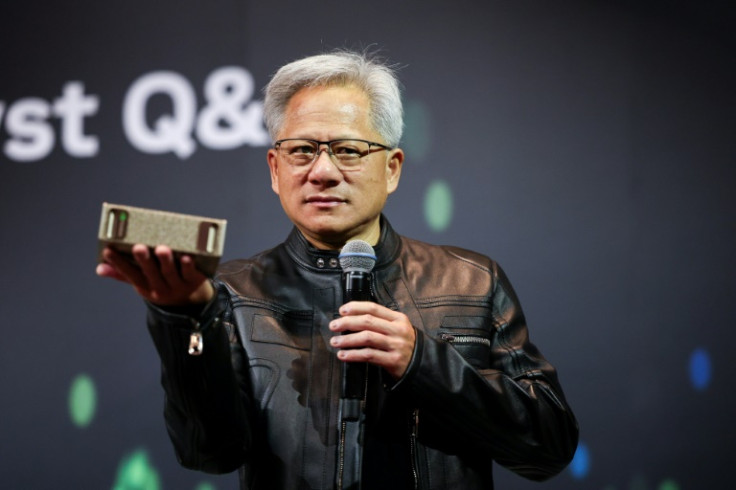
CEO Jensen Huang has repeatedly highlighted the rapid ramp of the Blackwell architecture, describing it as the fastest in company history. At the company's GTC developer conference earlier in 2026, Huang outlined expectations for massive demand across Blackwell and the upcoming Rubin platform, with some projections suggesting lifetime sales potential in the trillions for these next-generation systems.
Wall Street remains broadly bullish. The consensus analyst rating sits at Buy, with average price targets implying significant upside from current levels — some forecasts see shares reaching $267 or higher by the end of 2026. Optimism centers on continued AI infrastructure buildout, with hyperscalers and sovereign AI initiatives driving orders for GPUs, networking solutions like NVLink and Ethernet fabrics.
Yet challenges persist. U.S. export restrictions on advanced chips to China have forced adjustments, including inventory charges and shifts in product strategy. Competition from AMD, Intel and custom silicon developed by Google, Amazon and others adds pressure, though NVIDIA's software ecosystem — centered on CUDA — remains a formidable moat.
Supply chain partners provide additional clues to NVIDIA's trajectory. Investors are closely watching upcoming earnings from Taiwan Semiconductor Manufacturing Co. and ASML Holding, key enablers in the semiconductor production process. Any commentary on capacity or demand for advanced nodes could reinforce or temper enthusiasm for NVIDIA's growth outlook.
NVIDIA's full fiscal 2026 results, reported in February, showed record quarterly revenue of $68.1 billion in the fourth quarter and $215.9 billion for the full year, reflecting 65% annual growth. Data center revenue alone reached $62.3 billion in the final quarter of fiscal 2026, up 75% from the prior year.
Looking forward, the company's next earnings report in late May will offer fresh guidance on Blackwell adoption rates, gross margins and the impact of any geopolitical developments. Analysts expect continued sequential growth, though some have trimmed full-year Data Center forecasts slightly due to margin dynamics and China headwinds.
Gross margins have fluctuated with product mix and one-time items. Excluding certain charges, non-GAAP margins have held strong in the low- to mid-70% range, supported by high-value AI accelerators. Operating expenses have risen as NVIDIA invests in research and development for future architectures like Rubin, slated for broader availability in 2026-27.
Beyond hardware, NVIDIA is expanding its software and services offerings, including AI enterprise solutions and inference optimizations that allow customers to run models more efficiently. The company's pivot toward full-stack AI platforms aims to capture recurring revenue and deepen customer lock-in.
Retail investor interest remains high, with NVIDIA frequently ranking among the most discussed stocks on social platforms. Options activity shows active trading in calls and puts around key strike prices, reflecting both bullish conviction and hedging against volatility.
Broader market context influences the shares as well. Shifts in interest rates, regulatory scrutiny of Big Tech and global trade tensions can spark sharp moves. Friday's gain aligned with relative strength in the semiconductor sector amid mixed macro signals, including developments in Middle East diplomacy that could affect energy costs and supply chains.
NVIDIA maintains a quarterly dividend of $0.01 per share, a symbolic payout given the company's growth focus, and has returned substantial capital to shareholders through buybacks in recent years.
For long-term investors, the bull case rests on the secular shift toward AI across industries — from cloud computing and autonomous vehicles to scientific research and enterprise productivity tools. Huang has positioned NVIDIA as the "picks and shovels" provider in this new gold rush, a narrative that continues to resonate despite valuation concerns.
Skeptics point to high multiples and the risk of spending fatigue among hyperscalers after years of heavy capital expenditure. A slowdown in AI deployment or delays in next-generation chip ramps could pressure results. Still, most forecasts call for NVIDIA to deliver strong double-digit revenue growth through the remainder of 2026 and into 2027.
As trading continues Friday, all eyes remain on whether NVIDIA can sustain its momentum heading into supplier reports and its own May earnings. The stock's ability to hold above $200 and push toward the 52-week high would signal renewed confidence in the AI supercycle.
NVIDIA operates at the epicenter of the technology industry's most transformative trend. Whether the current uptick marks the start of another leg higher or a temporary bounce in a consolidation phase, the company's fundamental position in accelerated computing appears secure for now.
Investors will parse every comment from Huang and the executive team in coming weeks for clues about demand visibility, competitive positioning and the path to trillion-dollar opportunities in Blackwell and Rubin systems. For a stock that has already delivered extraordinary returns, the question remains whether the best is yet to come.
© Copyright 2026 IBTimes AU. All rights reserved.
- Recommended For You