Alphabet Stock Climbs Modestly as Google Expands AI Chip Partnership With Intel Amid Ceasefire Relief Rally
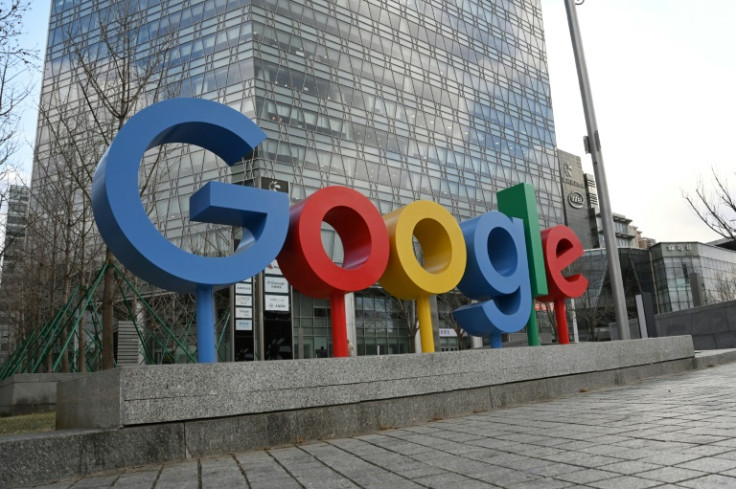
Alphabet Inc. Class C shares rose modestly midday Thursday, trading near $316 as investors digested the latest developments in the company's aggressive artificial intelligence push, including an expanded partnership with Intel on AI infrastructure, while broader market gains from a U.S.-Iran ceasefire provided tailwinds for big tech.
At 12:43 p.m. EDT on April 9, Alphabet (NASDAQ: GOOG) stood at $316.38, up $1.64 or 0.52%, according to real-time market data. The stock has shown resilience in recent sessions after pulling back earlier in the year amid geopolitical tensions and concerns over elevated capital spending plans for 2026. Thursday's modest advance came as the wider market rallied on news of the two-week ceasefire in the Middle East, which eased fears over energy prices and global economic disruption.
The move follows a volatile period for Alphabet. Shares climbed sharply earlier in 2026 on strong AI momentum but faced pressure in February and March from higher-than-expected capital expenditure guidance and lingering uncertainty from the DOJ's antitrust appeal in the search case. Recent trading has stabilized, with GOOG recovering from lows near $294 in early April.
A key catalyst Thursday was news of deepened collaboration between Google and Intel on AI CPUs. The partnership aims to accelerate development and deployment of custom silicon for data centers, helping Alphabet diversify its AI hardware supply chain beyond its own tensor processing units and reliance on other chipmakers. Intel shares also rose on the announcement, reflecting broader optimism around AI infrastructure spending.
Alphabet continues to invest heavily in AI. The company has guided for 2026 capital expenditures between $175 billion and $185 billion, a sharp increase aimed at expanding data center capacity for Gemini models and cloud services. While the spending initially weighed on sentiment, analysts increasingly view it as necessary to maintain leadership in generative AI against rivals like OpenAI, Anthropic and Meta.
Google Cloud remains a bright spot. In the most recent reported quarter, the segment posted robust growth with accelerating operating margins, driven by demand for Vertex AI and Gemini-powered tools. The cloud backlog has grown substantially, signaling sustained enterprise adoption. Advertisers, meanwhile, continue to embrace AI-enhanced search and YouTube features, supporting Alphabet's core revenue engine.
Gemini, Google's flagship AI model, has seen rapid user growth. Internal data and court filings have highlighted hundreds of millions of monthly active users, though it still trails ChatGPT in some metrics. Recent updates include enhanced multimodal capabilities, integration into Chrome, and new tools for developers and enterprises. Google has also rolled out mental health features and expanded Gemini availability across devices.
Waymo, Alphabet's autonomous driving unit, continues to expand robotaxi services, recently launching in additional cities including Nashville. While still a smaller contributor, Waymo represents a long-term bet on AI-driven mobility and has shown improving operational metrics.
Regulatory and legal headwinds persist. The Department of Justice continues its antitrust case against Google, with appeals focusing on search dominance and allegations that similar tactics are being used to promote Gemini. In Europe, regulators are providing guidance under the Digital Markets Act on how Google must share data and access with rivals in search and AI. Potential fines related to the Play Store remain a risk into 2026.
Despite these challenges, Wall Street largely remains bullish. Consensus price targets hover around $345, with some analysts forecasting highs near $420 over the next 12 months. The average rating is Buy, reflecting confidence in Alphabet's ability to monetize AI while its advertising business generates substantial free cash flow to fund investments.
First-quarter 2026 earnings are scheduled for release after the market close on April 29, with a conference call following. Analysts expect continued revenue growth in the mid-teens percentage range, with particular focus on Google Cloud acceleration and commentary on AI return on investment. Any beats on cloud margins or upbeat guidance could provide fresh momentum.
Market breadth Thursday favored tech as risk appetite improved on the ceasefire news, which sent oil prices lower and reduced concerns over inflation and supply chains. Alphabet, with its heavy exposure to global digital advertising and cloud computing, benefits disproportionately from a stable macroeconomic backdrop.
Longer-term, investors are watching how Alphabet balances massive AI spending with profitability. The company's "other bets" segment, including Waymo and moonshot projects, continues to burn cash but holds transformative potential. Google's scale in data, distribution and talent gives it advantages few competitors can match.
As trading continued into the afternoon, GOOG held its modest gains with solid volume. The stock's 52-week range reflects both the highs of AI enthusiasm and the pullbacks from macro and regulatory noise. With a market capitalization exceeding $3.8 trillion, even small percentage moves represent significant value shifts.
Financial advisors note that Alphabet offers a compelling mix of growth and value characteristics for long-term portfolios. Its forward price-to-earnings ratio remains reasonable relative to historical tech multiples, especially given the growth runway in cloud and AI. Dividend initiation in recent years has also appealed to income-focused investors.
Looking ahead, key risks include intensifying AI competition, potential regulatory remedies that could force changes to search or Android, and execution on capital spending. Opportunities center on Gemini monetization through ads and subscriptions, further cloud market share gains, and breakthroughs in autonomous technology.
For now, Thursday's quiet advance underscores steady investor confidence in Alphabet's AI strategy amid a more constructive market tone. As the company prepares for its quarterly report later this month, all eyes will be on whether the heavy investments in infrastructure are translating into accelerating returns and market leadership.
The broader tech sector's reaction to geopolitical relief highlights how sensitive these high-growth names remain to macro developments. Yet Alphabet's diversified business — from search dominance to cloud growth and AI innovation — positions it as a core holding for those betting on the continued digitization and intelligent automation of the global economy.
Whether the modest gains build into a stronger rally will depend on upcoming earnings, AI product traction and any further clarity on regulatory fronts. For Alphabet, the race to lead in artificial intelligence remains the defining narrative of 2026.
© Copyright 2026 IBTimes AU. All rights reserved.
- Recommended For You