Met Gala 2026 Raises Record $42 Million for Costume Institute Amid Star-Studded Night
NEW YORK — The 2026 Met Gala raised a record-breaking $42 million for the Metropolitan Museum of Art's Costume Institute, surpassing last year's previous high of $31 million and solidifying its status as one of the world's most powerful fundraising events in fashion and culture.
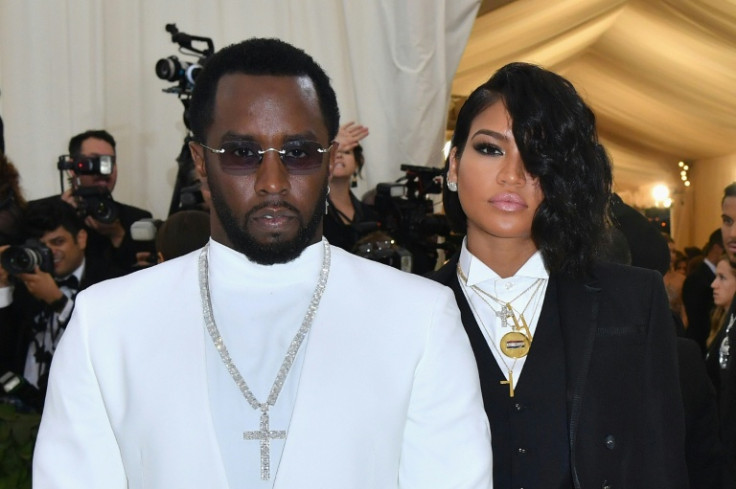
Museum officials announced the figure on Monday evening as celebrities ascended the steps of the Metropolitan Museum of Art for the annual "Fashion Is Art" themed gala. The funds will support exhibitions, acquisitions, conservation efforts and educational programs at the Costume Institute, the only curatorial department at the Met that operates without direct museum funding and relies almost entirely on the gala for its budget.
This year's total marks a significant jump from previous records and reflects growing corporate and tech-sector support, with high-profile sponsors and attendees contributing generously. Jeff Bezos and other Silicon Valley figures were among the notable backers, helping push the evening to new financial heights even before the first guest walked the carpet.
What is the Met Gala?
The Met Gala, formally known as the Costume Institute Benefit, is an annual haute couture fundraising event held on the first Monday in May. It celebrates the opening of the Costume Institute's spring exhibition and has evolved into the premier fashion event of the year, often called "fashion's biggest night."
Founded in 1948 by fashion publicist Eleanor Lambert as a modest midnight supper to support the newly established Costume Institute, the gala has grown into a global cultural phenomenon. Tickets routinely cost $75,000 each, with tables reaching $350,000 or more. The event blends high fashion, celebrity culture, art and philanthropy into one star-studded evening.
Each year features a specific theme tied to the Costume Institute exhibition. The 2026 theme, "Fashion Is Art," encouraged guests to interpret clothing as living artwork, resulting in some of the most creative and sculptural looks in recent memory. Co-chairs this year included Beyoncé, Nicole Kidman, Venus Williams and Anna Wintour, who has helmed the event for decades.
The red carpet serves as both a fashion showcase and a major publicity engine. Designers create custom pieces for A-list celebrities, generating billions in earned media value. The evening raises critical funds while spotlighting the Costume Institute's work preserving fashion history from the 15th century to today.
**Record Fundraising Success**
The $42 million haul represents the highest amount ever raised in a single Met Gala. Museum CEO Max Hollein and Costume Institute curator Andrew Bolton credited strong sponsorships, particularly from the tech industry, and the event's growing cultural relevance.
Proceeds will directly support the Costume Institute's operations, including major exhibitions like the current "Fashion Is Art" show. Over the past decade, the gala has raised more than $166 million, helping build a quasi-endowment that could make the institute more self-sufficient by 2030.
This year's record was achieved even before guests arrived, thanks to early commitments from sponsors and ticket sales. Tech leaders and corporate partners played an outsized role, reflecting fashion's increasing intersection with technology and Silicon Valley wealth.
Cultural Significance and Criticism
Beyond fundraising, the Met Gala functions as a powerful cultural barometer. It blends celebrity, art and fashion into a highly visible spectacle that shapes trends and conversations worldwide. However, it also draws criticism for its exclusivity, high costs and occasional disconnect between the lavish event and broader social issues.
Some guests and observers used the platform to highlight causes, while others faced backlash for perceived tone-deafness. The 2026 edition saw a mix of artistic statements and traditional glamour, with standout looks from stars like Anne Hathaway, SZA, Beyoncé and Rihanna generating widespread acclaim.
Impact on the Fashion Industry
The Met Gala drives enormous economic activity. It generates publicity worth billions for participating designers and brands. Many use the event to launch collections or collaborations, while the themed exhibition boosts museum attendance throughout the year.
For the Costume Institute, the funds are essential. Unlike other Met departments, it receives no direct operating budget from the museum and depends almost entirely on gala proceeds. The money supports conservation of thousands of garments, research, educational programs and rotating exhibitions that draw hundreds of thousands of visitors annually.
Looking Ahead
With $42 million secured, the Costume Institute is well-positioned for ambitious future exhibitions. Officials have hinted at expanded programming and potential new gallery spaces funded in part by gala proceeds.
The 2026 event's success reinforces the Met Gala's enduring power as both a fundraiser and cultural touchstone. As fashion continues evolving and intersecting with technology, art and social issues, the gala remains a unique platform where these worlds collide.
For many, the evening transcends its fundraising role. It represents creativity, self-expression and the joy of seeing clothing elevated to art. This year's record $42 million ensures the Costume Institute can continue its vital work preserving fashion history while inspiring new generations of designers and enthusiasts.
As the green-and-white carpet was rolled away and the after-parties wound down, the 2026 Met Gala will be remembered not just for its stunning looks but for setting a new philanthropic benchmark. The funds raised will support fashion as art for years to come, ensuring the Costume Institute's legacy remains as vibrant as the event itself.
© Copyright 2026 IBTimes AU. All rights reserved.
- Recommended For You