Ian Rogers Tops List of Australia's 5 Best Chess Players of All Time as Modern Grandmasters Rise in 2026
Sydney — Australia's chess heritage, long overshadowed by larger chess nations, boasts a rich legacy of talent that has produced over a dozen grandmasters and consistent Olympiad performers. As of March 2026, with Bobby Cheng leading the FIDE rankings at 2566 and a new Australian champion crowned in January, the nation's chess scene remains vibrant. Yet when ranking the all-time greats, historical impact, peak achievements, and lasting influence guide the assessment. Here are the five most celebrated Australian chess players of all time, blending pioneering legends with modern standouts.
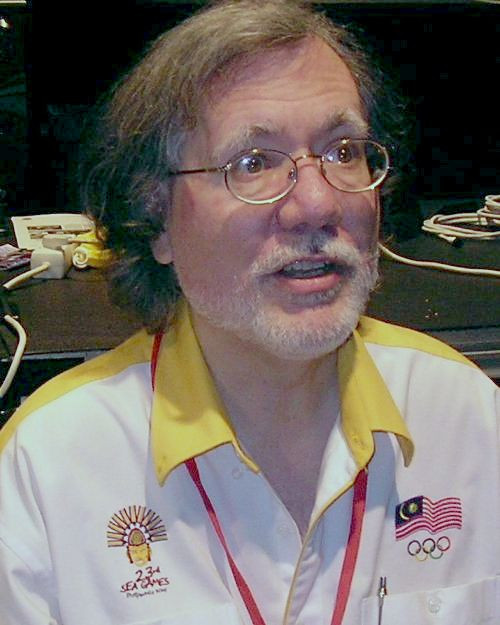
- Ian Rogers — Widely regarded as Australia's greatest chess player, Rogers became the first homegrown grandmaster in 1985 after earning his International Master title in 1980. Born in 1960, the Sydney native won the Australian Chess Championship four times (1980, 1986, 1998, 2006) and holds the record with 12 victories at the prestigious Doeberl Cup. His international triumphs include three consecutive wins at the Groningen grandmaster tournament (1988-1990), where he outshone future world champion Viswanathan Anand in one edition. Rogers claimed more than 120 classical tournaments and represented Australia at numerous Chess Olympiads. As a journalist and commentator after retiring from top-level play, he shaped chess media in Australia. His peak FIDE rating exceeded 2600 in the 1990s, a benchmark unmatched by most compatriots for decades.
- Walter Browne — Though he later represented the United States after emigrating, Browne's Australian roots earn him a prominent place in national history. Born in Sydney in 1949, he won the Australian Junior Championship before moving abroad. Browne became a six-time U.S. Chess Champion (1970-1989) and earned grandmaster status in 1970. His aggressive style and tactical brilliance shone in elite events, including strong showings against world champions. Many Australian chess historians credit Browne as the strongest player associated with the country, especially for his Olympiad appearances for Australia in 1970 and 1972. His legacy endures as proof of early Australian potential on the global stage.
- Darryl Johansen — Australia's second grandmaster, awarded the title in 1995, Johansen made significant contributions through consistent domestic dominance and international play. He won multiple Australian Championships and represented the nation at Olympiads. Known for his solid positional style and coaching work, Johansen helped nurture younger generations. His achievements include strong performances in zonal tournaments and a peak rating around 2500. As one of the pioneers alongside Rogers, Johansen solidified Australia's presence in grandmaster ranks during the 1990s.
- David Smerdon — A grandmaster since 2009, Smerdon stands out for his intellectual approach to chess and contributions beyond the board. Born in 1984, he has authored books like "The Secret of Chess" and works as a behavioral economist, often incorporating chess into research. Smerdon's peak rating reached 2533 in 2016, and he has competed in numerous Olympiads since 2004. His creative openings and endgame expertise earned respect, while his commentary and writing have popularized chess in Australia. As of March 2026, he remains active with a 2476 rating, ranking fifth nationally.
- Zong-Yuan Zhao — One of Australia's most accomplished modern players, Zhao earned his grandmaster title in 2008 after becoming an International Master at age 14, a national record at the time. Born in 1986, he has represented Australia at multiple Olympiads and won several national events. His peak rating hovered near 2550, and his consistent top-board performances helped elevate the team's standing. Zhao's technical precision and work ethic make him a bridge between earlier pioneers and the current generation of 2500+ players.
Honorable mentions include Anton Smirnov, who became Australia's youngest grandmaster in 2017 at age 16 and briefly topped national rankings before stepping away from competitive play; Temur Kuybokarov, a two-time Australian Open winner with a current 2541 rating; and Bobby Cheng, the March 2026 national No. 1 at 2566, whose steady rise marks the depth of contemporary talent.
Australia's chess growth accelerated in recent decades, with grandmaster numbers climbing from two in the 1990s to over ten by the 2020s. The 2026 Australian Championship, won by FM Yi Liu in January with 9/11, highlighted emerging stars like Tedric Li, who surged 134 rating points. While no Australian has reached super-grandmaster status (2700+), the country's players excel in open tournaments and contribute to global chess through coaching, writing, and administration.
Factors like geographic isolation, smaller population, and competition from cricket and Australian Rules football limit chess's mainstream appeal, yet dedicated federations and online platforms have fostered talent. Today's top players benefit from engines, databases, and international exposure unavailable to earlier generations.
As Bobby Cheng and others push ratings higher, Australia's chess future looks promising. The all-time greats—led by Rogers's trailblazing career—laid the foundation, inspiring a new wave to chase even greater heights in the years ahead.
© Copyright 2026 IBTimes AU. All rights reserved.
- Recommended For You