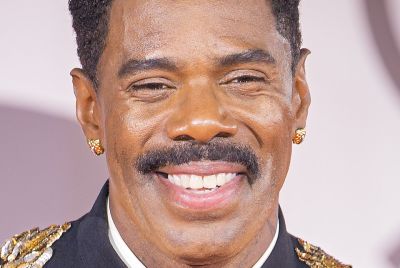
Colman Domingo Reflects on Ali's Heartbreaking Journey With Rue in Euphoria Series Finale
Domingo's portrayal of Ali in 'Euphoria' finale highlights addiction's harsh realities
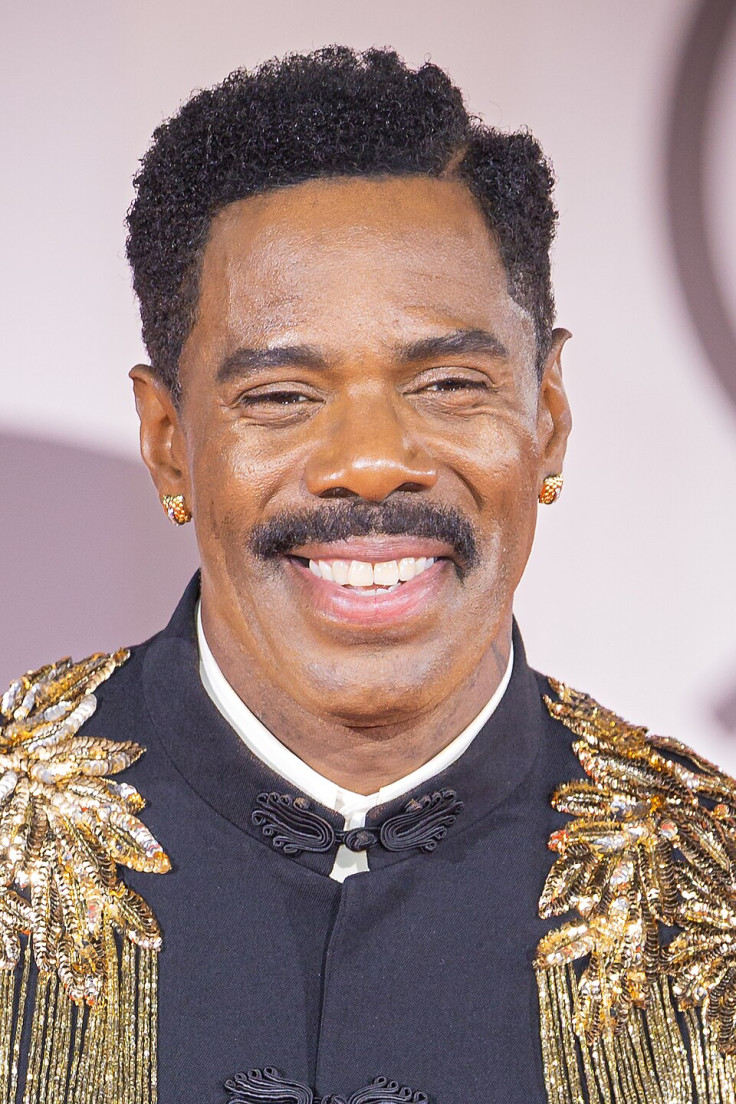
NEW YORK — Colman Domingo delivered a powerful performance as Ali in the Season 3 finale of HBO's "Euphoria," portraying a sponsor confronting the limits of support as his mentee Rue Bennett succumbs to a fatal fentanyl overdose, in what appears to mark the end of the acclaimed drama series.
In the episode titled "In God We Trust," which premiered on HBO Max, Ali discovers Rue unresponsive after she takes what she believes is Percocet for pain but is actually laced with fentanyl. Domingo's character, a recovering addict serving as Rue's sobriety sponsor, faces one of his most emotionally charged moments as he processes her death while grappling with his own past.
The actor described the scene as a pivotal "Christ on the cross moment" for Ali, highlighting the character's internal conflict between faith, responsibility and the painful realization that some struggles cannot be overcome despite dedicated support.
Ali has served as a moral compass throughout the series, appearing in just 11 of the show's 26 episodes yet leaving a lasting impression as a source of stability and tough love for Zendaya's Rue. His journey in the finale brings closure to a relationship built on shared experiences with addiction and recovery.
Domingo's Performance and Character Depth
Domingo, who has earned critical acclaim for his nuanced portrayal, explored Ali's complex emotions in the final episode. The character nearly follows Rue into despair before finding resolve in confronting those responsible for supplying the fatal drugs. His confrontation with drug lord Alamo Brown provides a moment of catharsis while emphasizing themes of justice and accountability.
Throughout "Euphoria," Ali represented the possibility of redemption and the importance of community support in recovery. His limited screen time amplified the impact of his appearances, making his presence in the finale particularly significant. Domingo brought authenticity to the role, drawing from careful preparation and collaboration with creator Sam Levinson to portray the realities of long-term recovery.
The finale's hallucinatory sequences, featuring Rue's final moments and reflections on her life, allowed Domingo to deliver quiet yet devastating work as Ali processes the loss. The episode blends dreamlike elements with stark realism, culminating in a sobering message about the dangers of fentanyl and the opioid crisis.
Series Themes and Cultural Impact
"Euphoria" has been recognized for its unflinching examination of addiction, mental health and teenage struggles. The decision to end Rue's arc with her death has sparked widespread discussion about the responsibilities of storytelling in depicting substance abuse. Domingo's performance in the finale reinforces the series' commitment to honest portrayals rather than simplified resolutions.
The show's visual style, powerful musical choices and strong ensemble cast contributed to its cultural significance over three seasons. Domingo's Ali provided balance to the chaos often surrounding Rue, offering moments of wisdom and compassion that resonated with viewers facing similar challenges.
Critics have praised the finale for its emotional weight and thematic consistency. While some audiences expressed sadness over the tragic conclusion, many acknowledged its alignment with the series' raw approach to difficult subject matter.
Domingo's Broader Career Context
Colman Domingo has established himself as one of television and film's most versatile actors in recent years. His work in "Euphoria" adds to a distinguished resume that includes acclaimed performances in projects like "Ma Rainey's Black Bottom," "The Color Purple" and "Rustin," for which he received Golden Globe and Oscar nominations.
In interviews following the finale, Domingo reflected on the privilege of portraying a character like Ali, who embodies resilience and moral complexity. His ability to convey profound emotion with restraint elevated the final episodes and provided a fitting counterpoint to the show's more chaotic elements.
The actor's collaboration with Zendaya created one of the series' most compelling dynamics. Their scenes together highlighted the challenges of mentorship in recovery, with Ali often serving as both guide and witness to Rue's turbulent path.
HBO's Decision and Series Legacy
HBO's choice to conclude "Euphoria" after three seasons allowed for a definitive ending rather than an extended narrative. The finale ties together multiple character arcs while delivering a powerful statement on addiction's consequences. Domingo's contributions helped ensure the series maintained its artistic integrity through its conclusion.
"Euphoria" leaves a significant mark on premium television. Its bold storytelling, innovative cinematography and breakout performances launched several careers while sparking important conversations about youth mental health and substance use. The show's influence extends beyond entertainment, with many crediting it for increasing awareness around fentanyl dangers and recovery resources.
Viewer Reactions and Discussions
The series finale has generated extensive online discussion, with viewers sharing tributes to favorite characters and reflecting on personal connections to the themes. Domingo's portrayal of Ali received particular praise for its authenticity and emotional depth. Many noted how his steady presence provided necessary grounding throughout the series' more intense moments.
Public health advocates have used the finale as an opportunity to highlight ongoing challenges with opioid contamination. The episode's realistic depiction of fentanyl's lethality serves as a tragic reminder of real-world statistics showing continued high overdose rates.
As audiences process the ending, discussions focus on the series' strengths in character development and visual storytelling. While the conclusion may not satisfy all viewers, it provides a complete chapter to a story that consistently challenged expectations.
Final Reflections on Ali's Arc
Ali's journey from supportive sponsor to grieving witness represents one of "Euphoria's" most meaningful threads. Domingo's performance captured the quiet dignity of recovery work while acknowledging its limitations. The character's "Christ on the cross moment" in the finale encapsulates the weight of caring for someone battling severe addiction.
The series finale marks the end of an era for HBO's bold drama. Through characters like Ali, "Euphoria" offered nuanced perspectives on hope, loss and human connection amid chaos. Domingo's thoughtful work ensures these themes resonate long after the final credits.
As the television landscape evolves, "Euphoria" stands as a notable example of ambitious storytelling that prioritized artistic vision and emotional truth. Colman Domingo's contributions, particularly in the concluding episodes, helped cement its place in recent television history.
© Copyright 2026 IBTimes AU. All rights reserved.
- Recommended For You