

Tesla to End Cybertruck Production by Mid-2027 as Musk Shifts Texas Factory to Cybercab Robotaxis Amid Slump
Elon Musk says the Texas factory will prioritise robotaxi production, while many Cybertruck buyers may have their deposits refunded before the line closes.
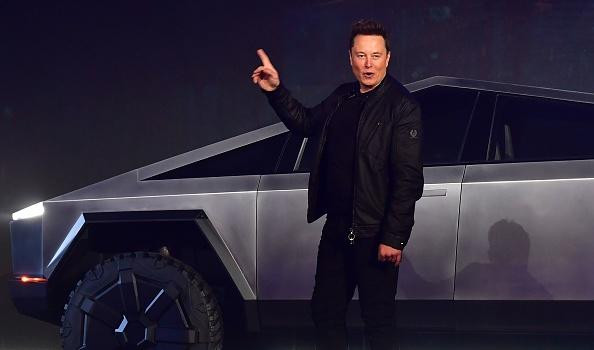
AUSTIN, Texas — Tesla will stop making the Cybertruck next year, Chief Executive Elon Musk said, ending production of the angular stainless-steel pickup he once promoted as the company's most ambitious vehicle and freeing factory space for its driverless Cybercab.
In a post on X, Musk said Cybertruck production will wind down at Gigafactory Texas in mid-2027 "to make room for increased Cybercab production." The Texas factory is the only place the Cybertruck is produced.
The truck is built at the Gigafactory just outside Austin, along with the Model Y and the two-seat Cybercab. Cybertruck deliveries began in 2023.
'The Cybertruck fleet will be around'
Musk struck an upbeat tone about the vehicle's legacy. Responding to a user on X who called the update the "end of an era" and said the Cybertruck was the "best vehicle Tesla has ever made," Musk wrote: "True, but the Cybertruck fleet will be around for a long time."
Deposits to be refunded
Musk later said Tesla cannot fill every order before the line closes. "The Cybertruck order rate far exceeds our production rate," Musk wrote, adding that Tesla would try to make as many as possible before shutting down the line in about eight months but would have to return deposits for a lot of people.
The Independent reported that Musk has also said the company will add an extra production shift to fulfill outstanding Cybertruck orders before the line is dismantled.
Falling short of expectations
The decision caps a difficult run for the vehicle. After production delays pushed the launch to 2023 from a promised 2021 date, output still fell far short of the 250,000 to 500,000 Cybertrucks Musk predicted Tesla would eventually produce each year.
Recent figures show how small the truck's role has become. Tesla's "other models" line, which includes the Cybertruck, delivered 8,295 vehicles in the third quarter, down from 15,933 a year earlier and under 2% of its 486,532 total deliveries.
The broader brand has faced headwinds too. Tesla suffered months of low sales at the start of 2025, partly driven by backlash against Musk's role in the Trump administration.
Fox News described the shift as a turn toward driverless taxis after disappointing sales and repeated recalls.
Betting on the Cybercab
The freed capacity will go to Tesla's robotaxi. Musk has said the Cybercab is a crucial product for the company. He unveiled it to fanfare at an event in 2024.
The program is still at an early stage. The two-seater robotaxi only entered production earlier this year, and Tesla announced plans to launch Cybercab service in Dallas next month and expand its autonomous transportation network.
Investors are watching for proof of returns. Musk expects the Robotaxi business to show up in results from the second quarter of 2027 and become significant in the second half, just as the Cybertruck winds down.
Valuation adds pressure. At 161 times forward earnings, Tesla's stock already prices in a Cybercab win, making 2027 Robotaxi revenue the key test.
Questions for owners
Many details remain unclear. Tesla has not said how long it will continue selling remaining inventory or supplying replacement parts, though winding down production does not mean it will end support for existing vehicles.
Musk did not say whether "winding down" means a full stop or a low residual rate, whether any Cybertruck assembly moves elsewhere, or how many Cybercabs the freed lines are meant to add.
What's next
The timeline gives would-be buyers a narrow window. Under Musk's wording, prospective buyers have roughly through the first half of 2027.
Investors will get more detail soon. Tesla's fourth-quarter report in late January is expected to include 2027 spending plans.
The Cybertruck's exit marks the end of one of Tesla's most polarizing products, as Musk bets the company's future on autonomy rather than new consumer models.
© Copyright 2026 IBTimes AU. All rights reserved.