Meta Stock Dips Below $570 in 2026: Should Investors Buy the AI Dip or Sell Ahead of Earnings?
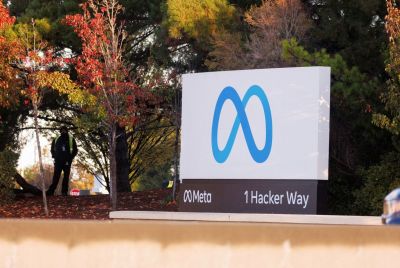
Meta Platforms Inc. shares slid more than 1% in morning trading Tuesday, dipping below $570 as the social media and advertising powerhouse navigates heavy artificial intelligence spending and a pullback from last year's highs, leaving investors debating whether to buy the dip or exercise caution ahead of first-quarter earnings later this month.

The Nasdaq-listed stock (META) fell to around $567, down roughly $6 or 1%, by late morning on April 7, extending a year-to-date decline of about 13% from its 2025 peak near $796. Despite the recent softness, Wall Street's consensus remains strongly bullish, with an average 12-month price target around $840 to $860 — implying potential upside of nearly 50% from current levels.
Meta's core advertising business continues to deliver robust growth, fueled by AI-enhanced tools that help advertisers target users more effectively across Facebook, Instagram, WhatsApp and Threads. The company's family of apps now serves more than 3.5 billion daily active users, providing an unmatched data advantage as it integrates generative AI features like Meta AI assistants and automated ad creation.
Yet the stock's recent weakness reflects investor concerns over escalating capital expenditures. Meta has guided for $115 billion to $135 billion in 2026 capex, much of it directed toward AI infrastructure, data centers and custom silicon chips. Full-year expenses are projected between $162 billion and $169 billion, prompting some analysts to trim near-term earnings estimates even as they maintain Buy ratings.
"This is the classic AI investment trade-off," one portfolio manager noted. "Meta is pouring billions into long-term dominance in open-source models like Llama while its cash-cow ad engine funds the buildout. The market is pricing in execution risk, but history suggests Mark Zuckerberg's big bets often pay off."
Meta's open-source Llama strategy sets it apart from closed rivals like OpenAI and Google. The company has reported over 1 billion cumulative downloads of Llama models, positioning it to build an ecosystem of developers and enterprises that could eventually drive new revenue streams beyond advertising. Recent integrations of AI agents, such as those powered by its Manus acquisition, aim to automate tasks in Ads Manager, creator tools and Marketplace.
Analysts at firms including Bank of America, Jefferies and Morgan Stanley have raised price targets in recent months, citing AI-driven ad efficiency gains and potential monetization of consumer-facing AI products. The consensus rating stands at Moderate Buy to Strong Buy, with roughly 50 analysts covering the stock and virtually no Sell recommendations.
First-quarter 2026 earnings are scheduled for release after the market close on April 29, with a conference call to follow. Wall Street expects revenue between $53.5 billion and $56.5 billion, reflecting continued double-digit growth in advertising despite macroeconomic uncertainties. Investors will scrutinize updates on AI progress, capex trends and any commentary on the delayed rollout of Meta's next-generation "Avocado" AI model, which reportedly underperformed internal benchmarks and pushed its release to at least May.
The company's Q4 2025 results, released in late January, showed strong momentum. Revenue grew solidly, beating estimates, while daily active users hit records. Guidance for Q1 2026 pointed to healthy ad demand, helped by AI improvements in recommendation algorithms and creative generation.
Meta also initiated a quarterly dividend last year and has continued share buybacks, returning capital to shareholders even as it ramps up spending. The balance sheet remains fortress-like, with ample cash to weather the AI arms race.
Risks and Competitive Pressures
Not everyone is fully convinced. Some bears highlight the stock's valuation — trading at around 25-28 times forward earnings — and the possibility that massive AI investments could pressure margins in the near term. Regulatory scrutiny over data privacy, antitrust concerns in Europe and potential ad market slowdowns if a recession materializes add layers of risk.
Competition in AI remains fierce. While Meta pushes open-source Llama, rivals are pouring resources into proprietary models. Delays in Meta's frontier AI efforts, including the Avocado model, have raised questions about whether the company can keep pace in reasoning, coding and multimodal capabilities.
Still, bulls argue that Meta's scale gives it a unique edge. Its vast user base provides unparalleled training data, and AI enhancements have already boosted ad performance metrics such as click-through rates and return on ad spend for businesses.
Year-to-date, the stock has lagged the broader market somewhat, but it remains up significantly over the past five years. The 52-week range spans from a low near $480 to the August 2025 high of $796.
Options activity Tuesday showed mixed sentiment, with some traders positioning for volatility around earnings. Volume was solid as the shares tested support levels near $565.
Long-Term Outlook Bright for AI and Advertising
Looking ahead, Meta executives have signaled that 2026 will be a pivotal year for AI product expansion. Plans include deeper integration of generative tools for shopping, content creation and personalized experiences. Zuckerberg has described the company's vision as building "the most advanced AI" while maintaining its leadership in social connectivity.
The metaverse efforts, rebranded under Reality Labs, continue to incur losses but are viewed by some as a long-term moonshot in immersive computing. Most near-term value, however, rests with the core apps and advertising, which still account for the vast majority of revenue and profit.
For investors asking "should I buy or sell Meta stock in 2026," the answer depends on time horizon and risk tolerance. Short-term traders may wait for post-earnings clarity or a better entry point if the dip deepens. Long-term believers see the current pullback — driven largely by capex concerns — as a buying opportunity in a company with durable competitive advantages and a clear path to AI leadership.
Financial advisors generally recommend considering Meta within a diversified portfolio, weighing its growth potential against the high-stakes nature of its AI bet. Those already holding shares might view any weakness as a chance to add on dips, given the absence of Sell ratings from major firms.
Meta Platforms, founded in 2004 as Facebook, has evolved into one of the world's most valuable technology companies with a market capitalization exceeding $1.4 trillion. Its platforms shape daily communication, commerce and entertainment for billions, while its AI investments could redefine the next decade of digital advertising and beyond.
As trading continued Tuesday, attention remained fixed on the upcoming earnings and any fresh signals about AI execution. Whether the stock rebounds swiftly or faces further pressure will hinge on how convincingly Meta demonstrates that its massive spending is translating into measurable returns.
For now, the overwhelming Wall Street view tilts toward buying the dip, betting that Meta's combination of unmatched scale, advertising prowess and open AI strategy will ultimately reward patient investors in 2026 and beyond.
© Copyright 2026 IBTimes AU. All rights reserved.
- Recommended For You