

Sylvester Stallone Calls 'First Blood,' the Original 1982 Rambo Film, the Best Action Movie of His Career
Stallone Reflects on the Enduring Legacy of 'First Blood' in Action Cinema
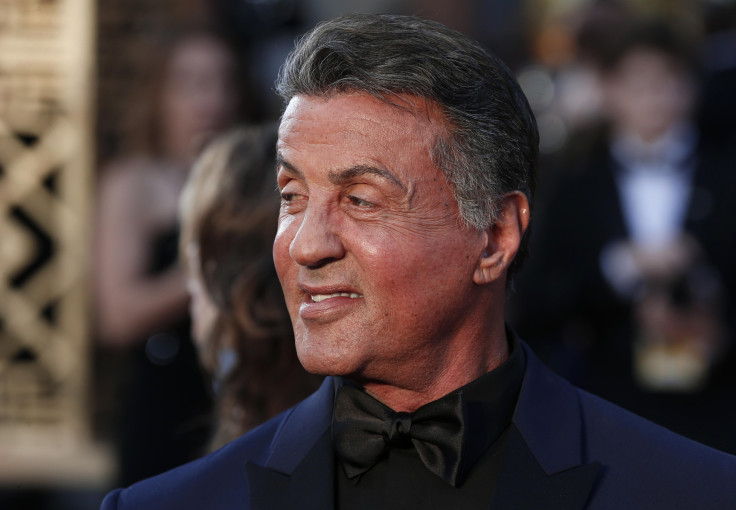
Sylvester Stallone has named "First Blood," the 1982 film that launched the Rambo franchise, as the best action movie he has ever made, a distinction that comes as the film continues to be ranked among the greatest entries in the entire action genre more than four decades after its release.
"First Blood" arrived just six years after Stallone's breakout role in "Rocky," cementing his status as one of Hollywood's most bankable action stars. Directed by Ted Kotcheff and based on David Morrell's 1972 survival thriller novel, the film starred Stallone as John Rambo, a retired Vietnam War veteran and former Green Beret pushed to his breaking point. According to the film's IMDb plot summary, "A drifting veteran must weaponize the wilderness to survive a relentless manhunt led by a small-town sheriff who pushed his fragile psyche past the point of no return."
The film has held up strongly with both critics and audiences over the decades. "First Blood" currently carries a 7.7 out of 10 rating on IMDb and an 86% score on Rotten Tomatoes, figures that have helped cement its reputation as one of the most enduring and well-regarded action films of its era. Archie Fenn of MovieWeb described the movie's outsized cultural impact in a review cited by Men's Journal. "To call First Blood one of the most lauded action movies of all-time would be an understatement," Fenn wrote. "The movie kicked off a billion-dollar franchise, turned Stallone into a Hollywood icon, and has a legacy as one of the most influential action films of the 1980s."
Stallone himself offered a candid assessment of the film's place within his own extensive filmography during a 2026 interview with GQ, explicitly calling it the best action movie of his career. "Inadvertently, I'd consider ['First Blood'] the best action film I've ever done," Stallone said. He went on to explain what set the film apart stylistically from other entries in the genre, describing it as one of the earliest examples of a "pure" action film built primarily around physical performance rather than dialogue-driven storytelling. "And I think it might be one of the first, when you say 'pure' action films," Stallone said. "You've had car chases. You've had gunfights. But I mean, it's all action. You're speaking with your body, your looks, your intentions, and the other characters are doing the dialogue. You are in action the whole time."
That description reflects the film's distinctive approach at the time of its release, which relied heavily on Rambo's physicality, survival instincts and largely nonverbal characterization to drive the story forward, a stylistic choice that helped distinguish "First Blood" from many of the more dialogue-heavy action films that had preceded it.
The success of "First Blood" launched a franchise that would continue for nearly four decades. The studio followed the original film with "Rambo: First Blood Part II" in 1985, another commercially successful entry that expanded on the character's story. "Rambo III" arrived three years later in 1988, set against the backdrop of the Soviet-Afghan War. The franchise then went quiet for two decades before returning with a fourth installment, simply titled "Rambo," in 2008. The series concluded more than a decade later with "Rambo: Last Blood" in 2019, bringing the character's on-screen story to a close after a run spanning 37 years from the release of the original film.
Despite the franchise's overall commercial success across its five-film run, "First Blood" has remained the entry most consistently singled out by critics, fans and now Stallone himself as the series' definitive high point, both artistically and in terms of its broader cultural influence on the action genre.
Stallone's career has been defined by a string of similarly influential action roles beyond the Rambo franchise, including his portrayal of boxer Rocky Balboa across the "Rocky" film series, which began in 1976 and helped establish his career before "First Blood" further solidified his status as one of the genre's most recognizable leading men. His filmography since has spanned decades of action-oriented projects, with "First Blood" continuing to stand out even within that broader body of work as a film Stallone himself now identifies as his personal creative high-water mark within the action genre specifically.
The continued critical reappraisal of "First Blood" more than 40 years after its release reflects a broader pattern in how certain foundational action films from the late 20th century have aged, with movies originally marketed primarily as commercial entertainment increasingly recognized by critics and film historians alike for their technical craftsmanship, thematic depth and lasting influence on the genre's subsequent development. "First Blood's" exploration of a veteran's psychological trauma and alienation following the Vietnam War, layered beneath its action sequences, has similarly drawn ongoing critical attention as a factor distinguishing it from more purely spectacle-driven entries within the broader action film canon.
With Stallone's recent comments reaffirming the film's significance within his own extensive career, "First Blood" appears likely to continue drawing renewed attention from both longtime fans and newer audiences discovering the Rambo franchise, particularly as retrospective rankings and critical reassessments of classic action cinema continue to place the 1982 original among the genre's most influential and enduring achievements.
© Copyright 2026 IBTimes AU. All rights reserved.