South Korea's FTC Opens Merger Review of Uber's Bid to Acquire Baemin Owner Germany's Delivery Hero SE
The Fair Trade Commission will assess whether combining Uber's ride-hailing platform with Baemin's food delivery business could affect competition, users and merchants.
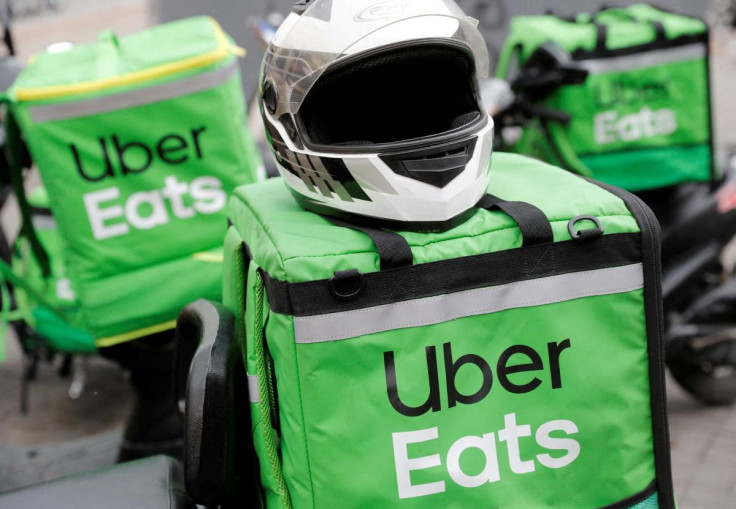
SEOUL — South Korea's Fair Trade Commission has opened a merger review into Uber Technologies' proposed acquisition of Germany's Delivery Hero, the parent company of Baemin, South Korea's largest food delivery app, a deal that would bring the country's top ride-hailing and food delivery platforms under common ownership for the first time.
The FTC said Tuesday it had received and begun reviewing a request from Uber for a pre-merger assessment of its plan to acquire all of Delivery Hero's shares. Uber intends to carry out the acquisition through a tender offer, with plans to close that offer in November of this year and complete the full share purchase in the second half of next year. The deal remains conditional on Uber securing more than 50% plus one share of Delivery Hero and on winning approval from competition regulators in each relevant country.
Delivery Hero indirectly controls Woowa Brothers, the operator of Baemin, through a subsidiary structure. Should the transaction close as planned, Uber would gain management control of Baemin, currently the leading food delivery platform in South Korea by user base.
The Korean regulator characterized the proposed transaction as a conglomerate merger, combining Uber's global ride-hailing platform business with Delivery Hero's delivery platform operations, rather than a merger between direct competitors within the same market. As of February this year, Kakao Mobility held the largest share of South Korea's domestic ride-hailing market by monthly active users, with 13.58 million users, while Uber trailed well behind with 650,000 monthly active users in the country. In the food delivery segment, Baemin led the market as of April with 23.4 million users, ahead of Coupang Eats with 13.15 million and Yogiyo with 4.21 million.
Given Uber's relatively small existing footprint in Korea's ride-hailing market and Delivery Hero's dominant position in food delivery through Baemin, the transaction would primarily combine two businesses operating in largely separate segments of Korea's digital platform economy, rather than reducing direct competition within a single market. Even so, the FTC has said it intends to examine the broader competitive implications of linking the two platforms, particularly given the potential for expanded service bundling between them.
Uber has cited several potential benefits of the combination, including expanded cross-use between its mobility and delivery services, along with broadened advertising and promotional offerings for merchants using the combined platforms. Possible service tie-ups could include memberships that bundle taxi rides with food delivery, according to details of the proposed transaction, along with expanded advertising and promotional opportunities across both platforms.
An FTC official described the scope of the regulator's planned review in a statement. "We plan to conduct a comprehensive review, covering the effect of this merger on the competitive structure of the domestic ride-hailing and delivery app markets, as well as its impact on the business activities of rival operators and on the choices available to users and merchants on the platforms," the official said.
The pre-merger assessment Uber has requested operates as a voluntary review mechanism that allows companies pursuing a merger to ask Korean regulators, ahead of the formal filing period, whether a proposed transaction would substantially restrict competition in the relevant market. Notably, share acquisitions carried out through a tender offer are, under Korean merger control rules, generally subject only to post-closing notification requirements rather than mandatory pre-closing review. Uber nonetheless proactively requested a review from the FTC ahead of the deal's completion, a step that can help provide the company with greater regulatory certainty before finalizing the transaction.
The proposed deal comes as global ride-hailing and delivery platforms have increasingly sought to combine complementary services under single corporate umbrellas, aiming to build broader "super app" ecosystems that keep users engaged across multiple types of transactions rather than relying on a single service line. Uber itself has pursued similar combined mobility-and-delivery strategies in other international markets, and the proposed Delivery Hero acquisition would extend that broader corporate strategy into South Korea, one of the world's most digitally connected consumer markets and a significant battleground for food delivery competition given the density of its urban population centers.
South Korea's food delivery market has grown into one of the most competitive and closely watched sectors of the country's digital economy in recent years, with Baemin, Coupang Eats and Yogiyo all vying for market share amid continued growth in online food ordering. A change in ownership at the top of that market, shifting Baemin's ultimate parent company from Delivery Hero to Uber, would represent a significant structural shift for an industry that has already seen substantial consolidation and competitive repositioning over the past several years.
With the FTC's review now formally underway and Uber targeting a November close for its tender offer, followed by completion of the full share purchase in the second half of next year, the coming months are likely to bring closer scrutiny of how Korean regulators weigh the competitive implications of combining the country's leading food delivery platform with a global ride-hailing operator that, while currently a minor player in Korea's mobility market, could see its competitive position shift considerably once the transaction closes and the two businesses begin operating under common ownership.
© Copyright 2026 IBTimes AU. All rights reserved.
- Recommended For You