Sam Altman Targeted in Second Attack on San Francisco Home: Shots Fired Days After Molotov Incident
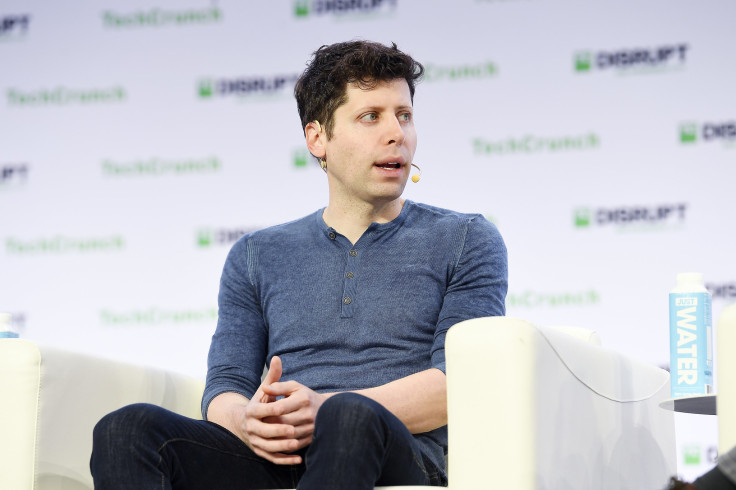
SAN FRANCISCO — OpenAI CEO Sam Altman's San Francisco residence came under apparent attack for the second time in less than 72 hours early Sunday, when surveillance footage captured a vehicle stopping near the property and a passenger firing shots, authorities said.
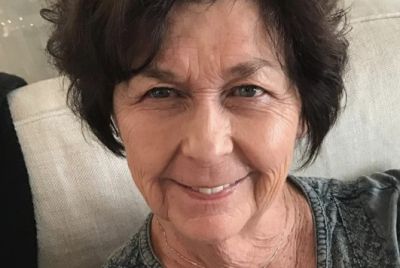
San Francisco police arrested two suspects, Amanda Tom, 25, and Muhamad Tarik Hussein, 23, in connection with the incident in the affluent Russian Hill neighborhood. The pair faces charges related to negligent discharge of a firearm after officers recovered three guns, according to police reports and multiple news outlets. No one was injured in either attack.
The Sunday morning shooting followed a Friday pre-dawn incident in which a 20-year-old man allegedly threw a Molotov cocktail at Altman's home, igniting part of an exterior gate before fleeing on foot. That suspect was later arrested at OpenAI headquarters after making threats to burn down the building, San Francisco police said. Altman responded publicly Friday evening with a blog post sharing a family photo and reflecting on the events.
Altman, 40, whose $27 million to $65 million compound in the North Beach/Russian Hill area has drawn attention amid his high-profile role in artificial intelligence, addressed the Molotov attack in the context of a recent New Yorker profile that raised questions about his trustworthiness and OpenAI's direction. In the post, he expressed being "awake in the middle of the night and pissed," while urging de-escalation of rhetoric in the AI industry.
Police have not publicly confirmed a direct link between the two incidents or released motives, but the rapid succession has sparked widespread concern about rising tensions surrounding AI development. The attacks come amid broader debates over AI safety, job displacement, copyright issues and ethical concerns that have intensified criticism of OpenAI and its leadership.
The first attack occurred around 4:12 a.m. Friday when an unidentified male threw an incendiary device at the residence. The device caused minor damage to a gate but did not breach the home, where Altman and his family were present. The suspect then traveled to OpenAI's headquarters and issued threats, leading to his quick arrest by responding officers.
Sunday's incident unfolded similarly early in the morning. Surveillance video reviewed by police showed a car stopping near Altman's property, with a passenger appearing to discharge a firearm toward the home. Officers responded swiftly, arresting Tom and Hussein shortly afterward. The investigation remains active, with authorities examining whether the acts were targeted or coincidental.
Altman has not issued a public statement specifically addressing the second incident as of Monday morning. In his Friday blog response, he shared a family photo and emphasized personal regrets while calling for calmer discourse. "Now I am awake in the middle of the night and pissed and thinking that I have underestimated the power of words and narratives," he wrote, linking the attack to heightened emotions following critical media coverage.
The back-to-back events have drawn condemnation from across the tech and AI communities. PauseAI, an organization advocating for responsible development, issued a statement unequivocally denouncing violence and harassment while wishing safety to Altman and his family. Other voices in the industry expressed shock that physical attacks have escalated from online criticism and protests.
The incidents occur against a backdrop of intense scrutiny on Altman and OpenAI. A recent New Yorker magazine profile examined Altman's leadership style, past controversies including his brief ouster and reinstatement as CEO in 2023, and questions about whether the company's rapid push toward advanced AI prioritizes profit over safety. Altman has faced accusations ranging from misleading investors to downplaying risks of superintelligent systems.
Separately, Altman has warned in recent interviews about the potential for AI-enabled "world-shaking" cyberattacks within the next year, highlighting how advanced models could empower malicious actors in cyber and even bioterrorism scenarios. Those comments, made to Axios earlier in April, added to public discourse about AI's dual-use risks even as physical threats materialized at his doorstep.
San Francisco police have increased patrols around high-profile residences in the wake of the attacks, though officials declined to comment on specific security measures for Altman. The Russian Hill and North Beach areas, known for their historic homes and celebrity residents, have seen occasional protests related to tech industry issues, including housing costs and AI-driven displacement fears.
Legal experts note that while threats against public figures are not uncommon, the use of incendiary devices and firearms in quick succession raises red flags about potential organized backlash or individuals radicalized by anti-AI sentiment. Both incidents are under active investigation, with charges so far limited to the immediate actions rather than confirmed targeting or conspiracy.
Altman's prominence has made him a lightning rod. As OpenAI's valuation soared past $150 billion and ChatGPT reshaped industries, critics — including some former employees and competitors — have accused the company of moving too fast with insufficient safeguards. Conspiracy theories, including unsubstantiated claims linking Altman to the 2025 death of OpenAI researcher Suchir Balaji, have circulated online, though authorities ruled Balaji's death a suicide.
Supporters argue the attacks reflect dangerous rhetoric that could incite violence against innovators. In his blog, Altman advocated lowering the temperature in AI debates, suggesting that inflammatory narratives contribute to real-world harm.
The events have also spotlighted security challenges for tech executives in San Francisco, a city grappling with crime perceptions even as it remains the epicenter of AI development. OpenAI, Anthropic and other firms have poured billions into the local economy while facing pushback over office expansions and talent wars.
As investigations proceed, authorities have urged anyone with information to come forward. The San Francisco Police Department released limited details on the Sunday arrests but confirmed no injuries and ongoing forensic work on the recovered firearms.
For Altman, who has steered OpenAI through boardroom drama, regulatory scrutiny and explosive growth, the personal threats add a stark human dimension to the abstract risks he has publicly discussed. His response so far blends defiance with reflection, sharing family moments while calling for better discourse.
The broader AI community watches closely. Leaders from companies like Google DeepMind and Anthropic have expressed solidarity, with some reiterating calls for responsible development to mitigate societal backlash.
Whether the attacks stem from a single disturbed individual, ideological opposition or unrelated criminal activity remains unclear. What is evident is that the rapid advancement of AI has moved beyond boardrooms and servers into streets and personal lives, bringing both unprecedented opportunity and unforeseen dangers.
San Francisco officials and federal agencies may step in if patterns suggest targeted harassment. For now, the city's tech elite confronts a sobering reality: innovation's brightest stars can also become its most visible targets.
© Copyright 2026 IBTimes AU. All rights reserved.
- Recommended For You