OPEC+ Signals Readiness to Boost Production Despite Strait of Hormuz Blockage
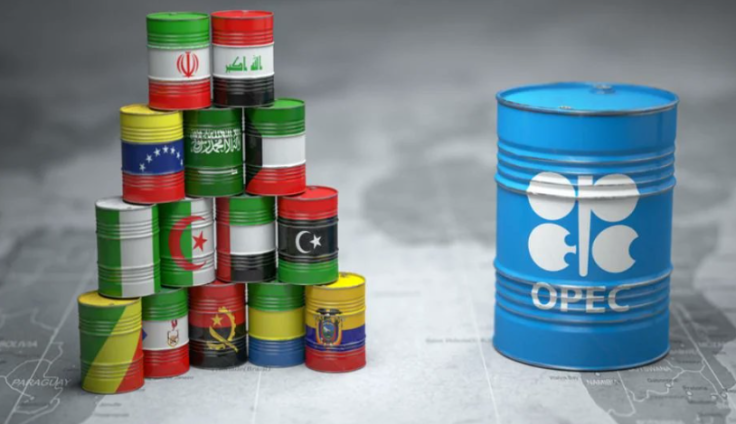
OPEC+ announced on Sunday that it will raise oil production quotas by 206,000 barrels per day in May, a modest increase that may have little immediate impact due to ongoing disruptions in the Strait of Hormuz.
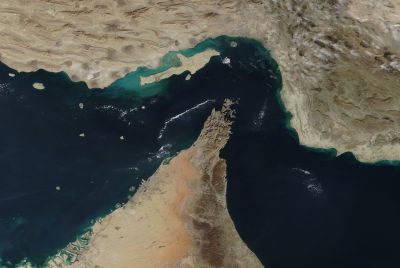
The strategic waterway, which handles a large share of the world's oil exports, has been effectively closed since late February because of the US-Israeli conflict with Iran.
The closure has heavily affected OPEC+ members Saudi Arabia, the United Arab Emirates, Kuwait, and Iraq, all of which were among the few able to increase production before the conflict.
As a result, global crude prices have surged to nearly $120 per barrel, putting pressure on transportation costs and consumers worldwide, NY Post reported.
The planned quota increase, less than 2% of the supply lost due to the Hormuz blockade, is largely symbolic for now.
"When the Strait of Hormuz is closed, additional barrels from OPEC+ become largely irrelevant," said Jorge Leon, a former OPEC official and head of geopolitical analysis at Rystad Energy.
Analysts describe the move as a signal of readiness rather than a solution to immediate supply challenges.
OPEC+ agreed to increase daily oil output target by 206k barrels in May
— Ziad Daoud (@ZiadMDaoud) April 6, 2026
The increase is theoretical:
• Producing countries can't get their oil out of the Strait of Hormuz
• They also face attacks on their energy assetshttps://t.co/qcYSZ1Y8Xg
OPEC+ Agrees on Modest May Oil Quota Increase
Eight OPEC+ members agreed to the May quota increase during a virtual meeting on Sunday.
Other producers, including Russia, are unable to raise output due to Western sanctions and infrastructure damage caused by the war in Ukraine.
Within the Gulf, missile and drone attacks have caused significant harm to oil facilities, and officials warn it could take months to return to normal production even if the strait reopens.
According to CNA, a separate OPEC+ panel, the Joint Ministerial Monitoring Committee, highlighted the high cost of repairing energy assets, noting that these attacks continue to strain supply.
Despite some exceptions, such as Iraq, where tankers have been allowed through the strait, overall transportation remains risky and limited.
May's production increase mirrors the April adjustment agreed upon as the conflict began to disrupt exports.
Analysts estimate that the ongoing disruption has removed as much as 12 to 15 million barrels per day—around 15% of global supply—raising fears that prices could climb above $150 per barrel if flows remain blocked into mid-May, according to JPMorgan.
OPEC+, which includes 22 members, has focused recent monthly production decisions on eight key countries.
These nations raised quotas by about 2.9 million barrels per day from April to December 2025 but paused increases in early 2026. The group will meet again on May 3 to review conditions and potential adjustments.
Originally published on vcpost.com
© {{Year}} VCPOST.com All rights reserved. Do not reproduce without permission.
- Recommended For You