

Major Middle East Airports Remain Open October 30 as Riyadh Operates Limited Flights Amid Security Risks
Dubai, Doha and Abu Dhabi continue commercial operations, while security warnings and carrier cancellations disrupt services to Saudi airports.
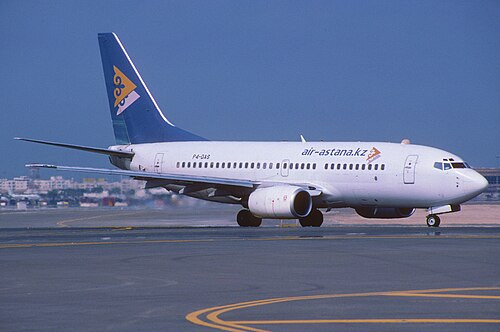
Most of the Middle East's major international airports remained open and handling commercial traffic on Friday, October 30, 2026, even as persistent security concerns in Saudi Arabia continued to restrict operations at the kingdom's primary gateway and prompt widespread airline suspensions.
Gulf hubs including Dubai International, Hamad International in Doha, and Zayed International in Abu Dhabi operated normally or with only minor delays, according to airport notices, airline schedules, and flight-tracking data. Passengers across the region were still advised to confirm flights directly with carriers, as schedules remained subject to change and European regulators continued to caution against overflight of parts of the Persian Gulf.
The situation reflected ongoing disruption tied to attacks by Yemen's Iran-aligned Houthi movement on Saudi facilities earlier in the month, combined with broader regional tensions that have led carriers to repeatedly adjust routes.
**Riyadh's Partial Operations**
King Khalid International Airport in Riyadh, Saudi Arabia's second-busiest airport after Jeddah, was operating on a limited basis from Terminals 1 and 2. Saudi authorities had announced the partial reopening on October 25, designating Terminal 1 for domestic flights and Terminal 2 for international services operated primarily by national carriers. A Notice to Airmen still required prior permission from the General Authority of Civil Aviation for each arrival and departure, and normal unrestricted scheduling had not resumed.
Flight activity remained constrained. Data from Cirium showed that roughly 86 percent of scheduled Riyadh departures were cancelled or recorded as no-fly between October 8 and 25. Many foreign airlines have pushed returns well into November or later. Air France extended its Riyadh suspension until December 12. Cathay Pacific has cancelled flights through January 31, 2027. Emirates planned to resume around November 8, while Etihad maintained cancellations through November 5. British Airways was expected to return with limited service on November 3.
Houthi military spokesperson Brigadier General Yahya Saree renewed warnings against using the airport, stating in a post on X that the Yemeni Armed Forces were reiterating their warning to airlines, staff, and travelers because the facility "is unsafe, being a military target for our forces." He added that the Saudi regime would bear the consequences of any continued operations "and it will never be safe."
Saudi defenses reported intercepting missiles and drones in the Riyadh area as recently as the evening of October 29. An earlier attack on the airport in mid-October killed more than a dozen people and injured hundreds, according to Saudi authorities, prompting the initial closure.
**Other Saudi Airports**
King Abdulaziz International Airport in Jeddah remained open, though with intermittent disruptions and cancellations. Some carriers, including Indian airlines such as Air India and Air India Express, had suspended Jeddah services through October 31, with longer pauses on Riyadh and Dammam routes. Emirates operated at least one Dubai-Jeddah flight on October 30 after earlier cancellations on the route. The airport has also been transferring some foreign airline operations to a newly phased Terminal 4.
King Fahd International Airport in Dammam was open after an attack on October 21 that killed two people and injured others. Saudi aviation authorities stated that operations had resumed and air traffic returned to normal, but several carriers, including KLM, Etihad, and Air India, continued suspensions into November. Intermittent delays were reported.
Smaller southern airports such as those in Jazan, Najran, and Abha faced earlier nightly or full closures under temporary notices, with some restrictions lifting around late October, though the overall security posture remained elevated.
**Gulf Hubs Largely Stable**
Dubai International Airport, the world's busiest for international passenger traffic, operated around the clock. Emirates and flydubai continued extensive networks, though both had cancelled or reduced services to Riyadh, Dammam, and other Saudi destinations. Flight-tracking data on October 30 showed average delays in the single digits to low tens of minutes, with cancellation rates remaining relatively low outside affected Saudi routes. UAE airspace stayed open to commercial flights.
Hamad International Airport in Doha operated normally, with Qatar Airways running the bulk of its global network. The carrier had cancelled or reduced services to Riyadh and Dammam and trimmed Jeddah frequencies. European Union Aviation Safety Agency advisories against overflying Persian Gulf waters (except for necessary arrivals and departures) remained in effect through mid-November, but these did not close the airport itself.
Zayed International Airport in Abu Dhabi was open. Etihad Airways maintained cancellations to Riyadh and Dammam through November 5 and some Jeddah flights, while continuing broader operations.
Kuwait International Airport handled passenger traffic from active terminals, though transit operations had faced earlier suspensions and airspace notices required prior approval for some movements. Bahrain International Airport operated without reported closure, as did Muscat International Airport in Oman. Oman Air and SalamAir had suspended certain Saudi routes through the end of October, but Gulf and long-haul services continued.
**Airline Responses and Traveler Guidance**
Multiple carriers reiterated that safety drove their decisions. Air France, which suspended Dubai flights through November 7 and Riyadh through December 12, stated: "Affected customers are being contacted individually. Air France reiterates that the safety and security of its customers and crew are its absolute priority."
KLM extended Dubai suspensions until March 2027 and kept Riyadh and Dammam paused into late November. Other carriers, including Lufthansa Group, IndiGo, and Singapore Airlines, similarly adjusted or extended pauses on affected routes.
European regulators' guidance on avoiding large portions of regional airspace remained active. Travelers were urged to monitor airline notifications closely, as rebooking options, refunds, and alternative routings varied by carrier and ticket type. Capacity data indicated Gulf airports were still preparing for stronger winter schedules, with Dubai alone accounting for millions of departing seats in October despite the disruptions.
Conditions remained fluid. No blanket closures affected the primary Gulf hubs, but the combination of Saudi restrictions, ongoing security alerts, and airline caution continued to reshape itineraries across the region. Passengers with travel involving Riyadh or other Saudi airports were advised to verify status immediately before departure.
© Copyright 2026 IBTimes AU. All rights reserved.