Commonwealth Bank Axes 119 More Jobs in Fresh Round of Cuts as 'Simplification' Drive Continues
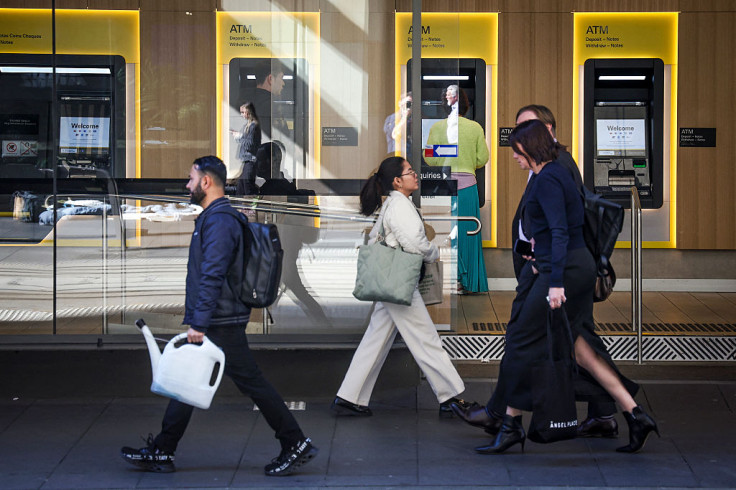
SYDNEY — Australia's biggest bank, Commonwealth Bank of Australia, is cutting another 119 jobs across its operations, including a significant number at subsidiary Bankwest, citing the completion of internal programs, work simplification and an evolving mix of skills needed to meet changing customer demands.
The latest redundancies, confirmed Thursday, April 23, come just months after CBA announced the elimination of around 300 roles in February as part of its push toward an AI-ready workforce. The Finance Sector Union described the new cuts as another blow to staff morale, with three-quarters of employees reportedly fearing for their futures amid ongoing restructuring at the profitable banking giant.
CBA said the reductions were not driven by cost-cutting targets but by natural shifts in its large workforce. "Within a workforce of this scale, there is ongoing movement through hiring, internal mobility and recruitment in priority capability areas," a bank spokesperson said. "We also regularly review the roles and skills we need to deliver the best customer outcomes. Some roles are shifting, new roles are being created, and some roles are reducing as programs finish, work is simplified and the mix of roles and skills across the bank evolves."
Of the 119 positions affected, around 43 are at Bankwest, the bank's online and regional banking arm. The union said the cuts include roles in various divisions, though specific areas were not detailed publicly. Affected employees have been notified, with consultations underway. The bank has committed to exploring redeployment opportunities where possible and supporting staff through the process with care and respect.
The announcement arrives against a backdrop of strong financial performance. CBA posted a record half-year cash net profit after tax of $5.45 billion earlier in 2026, up 6% on the previous corresponding period. Despite the profits, the bank has pursued efficiency measures, including a three-year, $90 million "Future Workforce Program" unveiled in February to help prepare its roughly 50,000 staff for technological disruption, particularly artificial intelligence.
CEO Matt Comyn has warned that AI will accelerate changes in banking roles over the next five years. The program focuses on skills mapping, career pathway identification and targeted training. However, the union has criticised the timing, arguing that job losses should not coincide with record profits and that stronger protections are needed for displaced workers.
This latest round follows a pattern of restructuring at CBA. In February, the bank cut approximately 300 positions, with technology roles bearing the brunt as it embedded capabilities directly into software delivery teams. Earlier episodes included a controversial plan to axe 45 call centre jobs due to an AI-powered voice bot, a decision the bank later reversed after pushback and evidence that call volumes had not declined as anticipated.
The Finance Sector Union (FSU) expressed frustration with the repeated cuts. National officials accused the bank of "hollowing out" services and prioritising simplification over job security. Union leaders called for binding commitments on AI-related job protections and greater transparency around how automation and offshoring decisions are made.
CBA maintains that AI is changing how some tasks are performed but is not the primary driver of these specific redundancies. The bank emphasised that it continues to hire in priority areas while streamlining elsewhere. In a large organisation, such reviews are routine, the spokesperson added, as customer expectations, regulatory requirements and technology evolve rapidly.
Staff reaction has been mixed but largely anxious. Internal surveys and union feedback suggest widespread concern about job security, with many employees worried about further waves of restructuring. Some have pointed to reports of increased hiring in lower-cost locations such as India for certain technology and back-office functions, though the bank has not confirmed details of any offshoring linked to these cuts.
The broader banking sector has seen similar moves. Rivals have also announced efficiency drives, with ANZ revealing plans for thousands of role reductions as part of its own simplification efforts. Industry analysts say Australian banks face pressure to control costs amid rising regulatory burdens, competition from fintech players and the need to invest heavily in digital transformation and cybersecurity.
For customers, the impact of internal job shifts is not always immediately visible. CBA has invested billions in technology upgrades, mobile banking enhancements and branch modernisation. However, critics argue that repeated redundancies, particularly in customer-facing or support roles, could eventually affect service levels if not managed carefully.
Economists note that the Australian labour market remains relatively tight, which may ease transitions for some affected workers. Yet banking roles often require specific skills, and older employees or those in regional areas may face greater challenges finding comparable positions.
The latest cuts come as the federal government continues to scrutinise the banking sector on issues ranging from competition to consumer outcomes. Any perception that major banks are prioritising profits over people could fuel calls for stronger oversight or reforms.
CBA shares reacted modestly to the news, reflecting that such announcements are increasingly expected as part of ongoing operational reviews. The stock has performed solidly in recent sessions amid broader market volatility tied to global events, including energy price swings from Middle East tensions.
Looking ahead, the bank is expected to provide more detail on its workforce strategy in upcoming results or investor briefings. The $90 million AI readiness program will likely feature prominently, with executives aiming to position CBA as a leader in responsible technological adoption rather than a pure cost-cutter.
For the hundreds of employees impacted directly or indirectly by these changes, the coming weeks will involve uncertainty and transition planning. The union has urged the bank to offer generous redundancy packages, retraining support and priority for internal vacancies.
As Australia's largest bank by market capitalisation and customer base, CBA's workforce decisions carry symbolic weight. The institution employs tens of thousands directly and supports many more through its economic footprint. How it balances efficiency, innovation and people management will be watched closely by regulators, unions, customers and investors alike.
Thursday's announcement serves as the latest chapter in a longer story of transformation in Australian banking. From branch rationalisation to digital-first services and now AI integration, the sector is reshaping itself for a future where technology plays an ever-larger role. Whether these changes ultimately deliver better customer experiences and sustainable careers — or simply leaner operations at the expense of staff stability — remains a point of vigorous debate.
For now, 119 more CBA employees face an uncertain path as the bank continues its drive toward simplification and a skills mix aligned with tomorrow's banking landscape. The challenge for CBA will be to execute these changes while maintaining the trust of both its workforce and the millions of Australians who rely on it daily.
© Copyright 2026 IBTimes AU. All rights reserved.
- Recommended For You