5 Fun Facts Abou Crescent City Classic 2026: Crescent City Classic 2026 Sells Out with Record 20,000 Runners
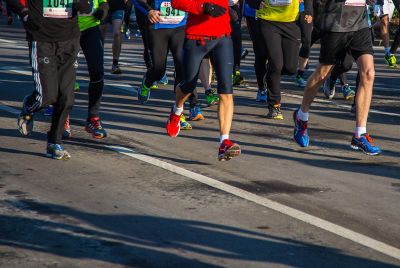
Thousands of runners, joggers and walkers in everything from Easter bunny suits to formal attire laced up Saturday for the 48th LCMC Health Crescent City Classic, the "original party race" that transformed a simple 10K into one of America's most festive road events.

The sold-out race, held April 4, 2026, on the Saturday before Easter, kicked off at 8 a.m. from the Caesars Superdome, snaking through the French Quarter, along scenic Esplanade Avenue and finishing under the live oaks of City Park in front of the New Orleans Museum of Art. Organizers boosted capacity to 21,000 entries after last year's record 18,000-participant sellout, reflecting surging demand for the Gulf South's premier fitness celebration.
The event, produced by the nonprofit Crescent City Classic Foundation since 1979, blends elite competition with pure New Orleans fun. Participants included world-class athletes chasing fast times on a flat, speedy course alongside casual runners pushing strollers, wheelchair athletes and even those towing coolers. Many donned costumes, turning the 6.2-mile route into a moving street party.
Here are five fun facts that capture the unique spirit of the Crescent City Classic:
First, it started small but exploded into a Louisiana institution. The inaugural 1979 race drew just 902 participants. Over four decades, it has grown into one of the largest and oldest 10K races in the nation, routinely attracting more than 15,000 to 20,000 people and earning praise in major running publications as both one of America's fastest 10Ks and the originator of the "party race" concept.
Founder Mac DeVaughn launched the event, initially held in the fall before shifting to the Saturday before Easter. Early routes varied — one started at Jackson Square and wound through other neighborhoods — before settling on the current spectator-friendly path from the Superdome through iconic New Orleans districts to City Park. The change helped cement its status as an Easter weekend tradition alongside Mardi Gras and Jazz Fest.
Second, costumes and creativity rule the day. Unlike buttoned-up marathons, the Classic encourages flair. Runners have crossed the finish line in full-body bunny outfits, butterfly wings, tuxedos and second-line-inspired getups complete with umbrellas and handkerchiefs. The "fastest second line in history" has become a race highlight, with brass bands and local flavor energizing the course. Organizers embrace the chaos, noting the event welcomes everyone from serious competitors to those walking the route with cocktails in hand.
Third, the post-race Michelob Ultra RaceFest turns the finish line into a full-blown celebration. After crossing under the oaks, participants enjoy live music from local bands, New Orleans cuisine, cold drinks and a festive atmosphere in City Park. Many sign up primarily for the party, making the Classic as much social event as athletic challenge. The surrounding weekend includes a free two-day Health & Fitness Expo on April 2-3, open to the public with vendors, demos and merchandise.
Fourth, the race doubles as a major charity driver through its "Run For It" program. The foundation aims to raise $1 million annually for local nonprofits serving the Greater New Orleans area. Charity runners and partners help fund community needs while giving participants an extra purpose. Groups like Girls on the Run and others offer scholarship opportunities tied to participation, blending fitness with philanthropy.
Fifth, the course itself is a love letter to New Orleans. Starting near the Superdome, runners pass through the historic French Quarter with its balconies and jazz echoes, then glide along tree-lined Esplanade Avenue before ending in the serene beauty of City Park. The flat, fast layout has produced strong times, yet its scenic and cultural appeal draws participants who prioritize experience over personal records. The route's beauty and the city's unique vibe have earned it descriptions as "a great race on a beautiful course in America's most unique city."
Elite runners still chase victory on the speedy course. In past editions, top finishers have included standout performers, though the first 46 races saw many wins by out-of-town athletes. The 2026 field featured competitive divisions, with overall winners typically finishing the 10K in well under 30 minutes on the flat terrain.
Beyond the fun facts, the Classic reflects New Orleans' resilient spirit. Produced locally by a 501(c)(3) foundation, it promotes health, fitness and an active lifestyle across all ages and abilities. Families push strollers, corporations field teams and visitors from around the world join locals for the experience.
Registration for 2026 closed as a sellout, with fees ranging from about $55 to $80 depending on timing. Bibs were mailed to early registrants, while others picked up packets at the expo. Virtual options allowed participants worldwide to complete 6.2 miles on race day and submit times for results, shirts and medals.
Traffic and parking required planning, with New Orleans police announcing street closures around the start at Poydras and Loyola streets and along the route. Organizers urged spectators and participants to use public transit or arrive early.
The event's growth mirrors broader trends in participatory running, where inclusivity and enjoyment rival competition. While some races focus solely on times, the Classic has pioneered the "race for all y'all" ethos — young, old, fit or not-so-fit, everyone finds a place.
Challenges include managing large crowds in a dense urban setting and balancing the party atmosphere with safety. Yet the foundation has sustained the tradition through economic ups and downs, pandemics and recovery, keeping the Classic a signature spring event.
Runners often cite the post-race energy and city backdrop as reasons for repeat participation. The live oaks at the finish provide welcome shade after the morning effort, while the sounds of second lines and cheers create lasting memories.
As one of the longest-running 10Ks, the Classic holds a special place in road racing history. It has been featured in running magazines for its innovation in combining serious athletics with Southern hospitality and Carnival-like revelry.
Looking ahead, the foundation continues planning for future editions, including the separate Corporate Classic 5K held in City Park later in the year, which serves as a qualifier for seeded starts in the main 10K.
For many, the Crescent City Classic embodies what makes New Orleans special: resilience, creativity, community and the ability to turn any occasion into a celebration. Whether chasing a personal best or simply soaking in the sights and sounds, participants leave with more than a finisher's medal — they gain stories, friendships and a deeper appreciation for the city's vibrant culture.
The 2026 edition capped another successful chapter, with thousands crossing the line amid cheers, music and the unmistakable energy that only New Orleans can provide over 6.2 miles.
Organizers thanked sponsors including LCMC Health, Michelob Ultra and others for supporting the event's growth and charitable mission. Results and photos were expected to be posted on the official site soon after the race.
In a city known for its festivals, the Classic stands out as an accessible, joyful way to embrace movement while honoring local traditions. As it enters its fifth decade, the race shows no signs of slowing down — only speeding up the fun.
© Copyright 2026 IBTimes AU. All rights reserved.
- Recommended For You