(VIDEO) Apple Event Update: iPhone 17e, M5 MacBooks, M4 iPad Air, MacBook Neo Debut in Week-Long Rollout
Apple kicked off March 2026 with a flurry of product launches, unveiling refreshed iPhones, iPads, MacBooks, and displays over several days rather than a single event. The company described the period as a "big week ahead," culminating in hands-on "special Apple Experience" sessions in New York, London, and Shanghai on March 4.
The announcements began March 2 with the iPhone 17e, a mid-range model starting at $599. It features the A19 chip for improved performance, MagSafe wireless charging support, 256GB base storage (double the previous generation), and a 48MP Fusion camera with optical-quality 2x Telephoto capabilities. The 6.1-inch Super Retina XDR display includes Ceramic Shield 2 for enhanced durability and reduced glare. It supports Apple Intelligence features and satellite connectivity for Emergency SOS, Messages, and more in remote areas. Available in black, white, and soft pink, pre-orders started March 4, with availability from March 11.
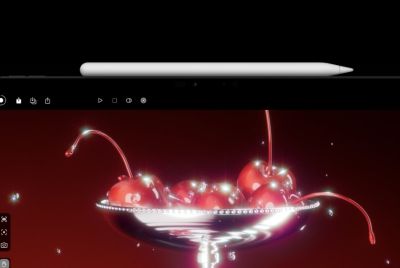
That same day, Apple introduced an updated iPad Air powered by the M4 chip, delivering faster performance and better efficiency for demanding tasks. The tablet retains its slim design while adding support for Wi-Fi 7 and enhanced Apple Pencil compatibility. Pricing and exact configurations were detailed in press releases, with pre-orders opening alongside the iPhone 17e.
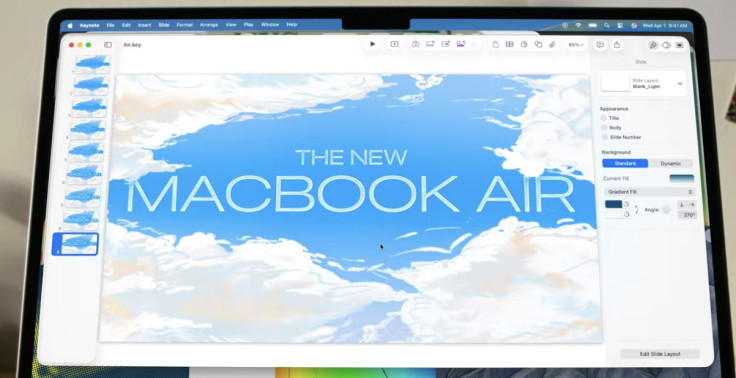
On March 3, Apple refreshed its MacBook lineup. The MacBook Air received the M5 chip, promising up to significant gains in CPU and GPU performance over prior models, along with improved battery life and AI capabilities. The 13- and 15-inch versions maintain their lightweight, fanless design suitable for everyday use.
The MacBook Pro saw bigger upgrades with M5 Pro and M5 Max variants in 14- and 16-inch sizes. These chips feature the world's fastest CPU core, next-generation GPUs with Neural Accelerators, higher memory bandwidth, and up to 4x AI performance compared to the previous generation. Storage starts at 1TB for M5 Pro and 2TB for M5 Max, with Thunderbolt 5 ports, Wi-Fi 7 via Apple's N1 chip, Liquid Retina XDR displays (nano-texture option available), and up to 24 hours of battery life. Available in space black and silver, pre-orders began March 4, with shipments from March 11.
Apple also refreshed its Studio Display lineup, including a new Mini LED-equipped Studio Display XDR model with higher brightness (up to 2,000 nits), 120Hz refresh rate, and pro-level color accuracy. The standard Studio Display received minor tweaks for better integration with the new Macs.
The week wrapped with the March 4 "special Apple Experience," where Apple unveiled the MacBook Neo — an all-new, low-cost laptop starting at $599. Powered by the A18 Pro chip (from the iPhone 16 Pro series), it offers strong performance in a colorful, entry-level design aimed at students and budget-conscious users. It comes in multiple vibrant colors, with a lighter keyboard and trackpad matching the body. Pre-orders opened immediately, with availability from March 11.
The rollout strategy differed from traditional keynotes, relying on sequential press releases and global hands-on events instead of a single streamed presentation. Tim Cook teased the announcements in late February, building anticipation for refreshes across Apple's ecosystem.
Analysts noted the focus on affordability and AI integration, with the iPhone 17e and MacBook Neo expanding access to premium features at lower prices. The M5 series advances on-device AI workflows for creatives and professionals, while the M4 iPad Air positions the tablet as a more powerful productivity tool.
No major surprises emerged beyond pre-event rumors, though the volume of launches — at least six major products — marked one of Apple's busiest early-year periods. Software updates, including iOS/iPadOS/macOS versions supporting the new hardware, rolled out concurrently.
Pre-orders for most devices began March 4 at 6:15 a.m. PST (9:15 a.m. ET), with availability starting March 11 in over 70 countries, including the U.S., Canada, China, Japan, South Korea, and major European markets.
The announcements reinforce Apple's push into broader accessibility and performance, setting the stage for a strong 2026 amid competition in smartphones, tablets, and laptops.
© Copyright 2026 IBTimes AU. All rights reserved.
- MOST POPULAR IN Technology