Scientists Measure Bat Populations In Post Wildfire Habitats
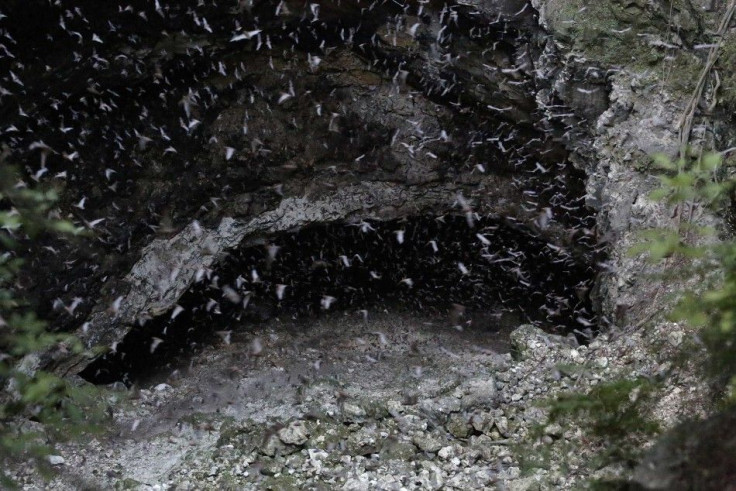
Bats are highly important to our ecosystem as they help pollinate plants, contribute to reforestation and help maintain balance. Due to these benefits, two NAU researchers, forestry professor Carol Chambers and graduate student Erin Saunders, began tracking bats in 2011 in the Ponderosa pine forests situated in eastern Arizona. The forest experienced the largest Wallow fire, losing nearly 849 square miles to it.
Since Arizona houses nearly 28 species of bats, these scientists were keen on understanding the effects of forest fire on the bats. They wanted to learn of their reaction to the post fire environment. The press release disclosed that bats are indicator species that can predict an environmental problem. Hence, they can still provide information to the forest service employees on several matters post fire.
Maternity colonies have nearly 900 bats, and these contributed in the research as well. They roost mostly on tall or dying trees. Researchers state that this is an important bit of information for the forest officials as it would help decide which burned tress should be removed.
Chambers and Saunders used tiny radio transmitters for their research. They tracked the bats and compared different habitats based on the basis of the fire and the degree of loss in the ecosystem. Though they found that the fire did not affect the habitat of the bats, the researchers say that more fires and climate change will result in a decrease in habitat.
They also found that different bats prefer different habitats in terms of the severity of the burned areas. Some prefer unburned snags or areas where there are less trees lost to the fire. They also found that bat count decreased in both severely burned sites and those not heavily affected. Chambers and Saunders state that this could be due to the migration of the bats to other areas.
"Fire-killed snags usually fall within 10 years and it can take hundreds of years to regrow Ponderosa pine, if they grow back at all," said Chambers, referring to the consequences the bats would face in the long run. Saunders believes that the short term research must continue to provide stronger land management recommendations.
For questions/comments regarding the article, you may email the writer at samrichardson.ibtimes@gmail.com.
- MOST POPULAR IN Science