

Two Daily Servings of Peanuts May Help the Aging Brain Respond Better to Insulin, Small Dutch Study Finds
A 16-week trial in 31 healthy older adults found changes in brain regions linked to memory, while researchers stressed that larger studies are needed.
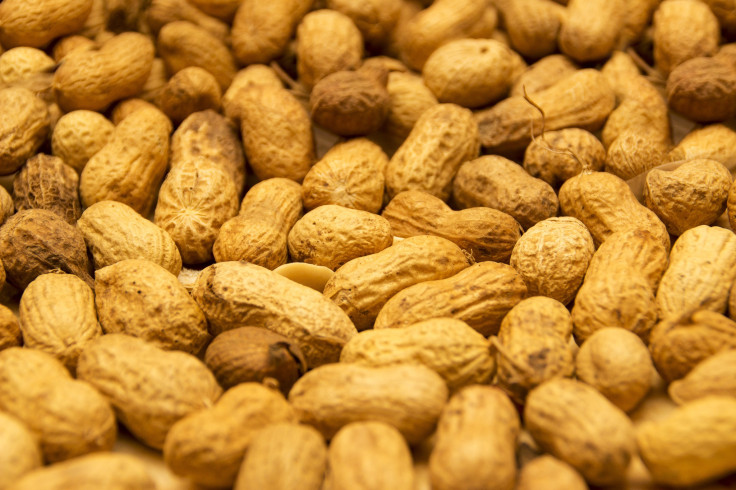
Eating peanuts every day may help parts of the aging brain linked to memory respond better to insulin, according to a small study by researchers in the Netherlands.
Researchers at Maastricht University Medical Center found that older adults who ate unsalted, skin-roasted peanuts daily for 16 weeks showed improved insulin responsiveness in several memory-related brain regions.
The study, led by Lucia Kerkhof, was published in the journal Food & Function.
How the study worked
The researchers recruited 31 healthy adults between the ages of 60 and 75.
Participants ate 60 grams of peanuts a day, about 2.1 ounces or roughly two servings, for 16 weeks. They could eat the peanuts all at once, spread them out over the day or add them to meals. Researchers supplied premeasured packets to keep portions consistent.
The trial used a crossover design. After the 16-week peanut period, participants switched to a control period in which they avoided peanuts entirely. This allowed researchers to compare each person's brain measurements under both conditions.
To measure changes, the researchers used an advanced brain imaging technique known as arterial spin labeling magnetic resonance imaging, which tracks blood flow in the brain.
Better insulin response
After daily peanut consumption, researchers observed improved insulin responsiveness in a group of brain regions in the right hemisphere that are associated with memory.
Senior author Peter Joris said daily peanut consumption "beneficially affected insulin responsiveness in memory-related brain regions" in older adults.
Insulin plays a role in several brain processes linked to learning, memory and communication between nerve cells. The brain's response to insulin can weaken with age, a change that has been associated with age-related cognitive decline and Alzheimer's disease.
Building on earlier findings
The study builds on earlier research from the same team. In a previous analysis, eating peanuts for 16 weeks increased overall blood flow to the brain by 3.6% and improved verbal memory by 5.8%.
Blood flow to the brain is an important marker of brain vascular health because it delivers oxygen and nutrients essential for brain cells.
Why peanuts?
Researchers believe several components of peanuts may contribute to the effects, rather than any single nutrient. Peanuts are rich in unsaturated fats, antioxidants such as polyphenols, and other compounds that may support brain health.
The study used skin-roasted peanuts because the skins contain many of these beneficial compounds. The peanuts were unsalted to avoid the health risks of excess sodium.
Important limitations
The findings come with important caveats. The study was small, with only 31 participants, and all were healthy older adults. The results may not apply to people with existing memory problems or other health conditions.
The researchers did not show that eating peanuts prevents cognitive decline or dementia. They observed changes in how specific brain regions responded to insulin, which is a biological marker rather than a direct measure of memory or long-term brain health.
Not all research has found clear benefits. A separate study published in August found that a 12-week peanut intervention in overweight or obese older adults with heart disease risk factors and memory complaints did not produce significant changes in cognition or brain activity during tasks.
Part of a healthy diet
Nutrition experts generally recommend nuts as part of a balanced diet, citing benefits for heart health. Peanuts are also relatively inexpensive and widely available.
However, peanuts are high in calories, so people adding them to their diets may need to adjust other foods. People with peanut allergies should avoid them entirely.
Larger and longer studies will be needed to determine whether daily peanut consumption can help protect memory and brain function as people age.
© Copyright 2026 IBTimes AU. All rights reserved.