Apple Agrees to Pay $250 Million to Settle US iPhone Buyers Lawsuit Over Missing AI Features
SAN FRANCISCO — Apple Inc. has reached a $250 million settlement with U.S. consumers who purchased iPhones expecting advanced artificial intelligence features that were later delayed or not delivered as advertised, according to court documents filed Tuesday in California federal court.
The proposed class-action settlement resolves claims that Apple overstated the immediate availability of Apple Intelligence capabilities when marketing the iPhone 16 series and certain earlier models in 2024 and 2025. Plaintiffs alleged the company's advertising created unrealistic expectations about on-device AI features like advanced Siri capabilities, image generation and real-time translation that rolled out months later or required specific hardware upgrades.

Under the agreement, eligible iPhone buyers in the United States who purchased models between September 2024 and March 2026 could receive payments ranging from $15 to $65 per device, depending on the model and purchase date. The settlement covers roughly 15 to 20 million devices and requires no admission of wrongdoing by Apple.
Details of the Lawsuit
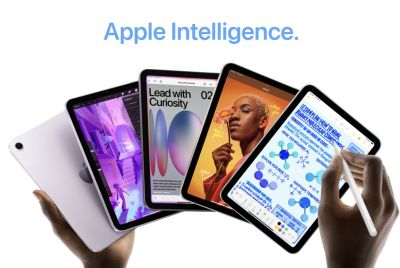
The original complaint, filed in late 2025, accused Apple of deceptive marketing practices. Lawyers for the plaintiffs argued that promotional materials and keynote presentations heavily emphasized "Apple Intelligence" as a core selling point for the iPhone 16 lineup, yet many promised features arrived later than expected or were limited to newer hardware.
Consumers claimed they paid premium prices expecting immediate access to generative AI tools, only to find the rollout staggered across software updates well into 2026. The suit highlighted frustration among buyers who felt misled about the timeline and hardware requirements for full functionality.
Apple had previously defended its marketing, stating that all advertised features were eventually delivered and that software updates continued to enhance device capabilities over time. The company maintained that product timelines in the fast-evolving AI sector are inherently subject to change.
Settlement Terms and Next Steps
The $250 million fund will be distributed after court approval and claims processing. Eligible buyers will not need to submit proof of purchase in most cases, with Apple using sales records to identify qualifying devices. The settlement also includes provisions for injunctive relief requiring clearer disclosure of feature timelines in future advertising.
U.S. District Judge Edward Chen is scheduled to review the settlement in June 2026. If approved, notices will be sent to affected consumers, with claims processing expected to begin in late summer. Legal experts described the amount as significant but relatively modest compared to Apple's massive cash reserves and annual profits.
Broader Implications for Tech Industry
The case highlights growing scrutiny over how technology companies market artificial intelligence capabilities. As AI becomes a central selling point for smartphones, laptops and other devices, regulators and consumer advocates are watching closely for potential overpromising during product launches.
Similar lawsuits have targeted other major tech firms, including claims against Samsung and Google over AI features in their flagship devices. Consumer protection groups argue that vague marketing language around "coming soon" features can mislead buyers in a highly competitive market.
Apple's decision to settle avoids a lengthy trial that could have drawn further negative attention to its AI rollout strategy. The company has invested heavily in on-device AI to differentiate its products while addressing privacy concerns, but staggered feature releases have frustrated some early adopters.
Apple's AI Strategy and Response
Despite the settlement, Apple continues pushing forward with Apple Intelligence. Recent iOS updates have brought more features online, including improved Siri capabilities, enhanced photo editing tools and better integration with third-party apps. The company maintains that its cautious, privacy-first approach sets it apart from competitors racing to release generative AI tools.
In a statement, Apple said it was "pleased to reach a resolution" and remains focused on delivering "the best possible experience" for customers. The company noted that customer satisfaction scores for Apple Intelligence features remain high among users who have received the full rollout.
Consumer Reaction and Advice
Many iPhone owners expressed mixed feelings about the settlement. Some viewed the potential payouts as fair compensation for delayed features, while others felt the amounts were too small given the premium prices paid for flagship devices. Online forums and social media saw active discussion, with some users already checking eligibility through Apple's planned claims portal.
Consumer advocates recommend that anyone who purchased a qualifying iPhone review the settlement notice carefully once distributed. No action is required immediately, but eligible buyers should watch for official communications from the claims administrator.
The case serves as a reminder for consumers to approach heavily marketed new technologies with measured expectations, especially in rapidly evolving fields like artificial intelligence.
Looking Ahead
This settlement arrives as Apple prepares for the iPhone 18 series later in 2026, expected to feature even more advanced on-device AI capabilities. The company faces continued pressure to deliver on its promises while navigating regulatory scrutiny over its App Store practices and AI competition.
For now, the $250 million agreement provides some closure for affected buyers while allowing Apple to move forward without the distraction of prolonged litigation. The resolution underscores the challenges tech giants face in balancing ambitious marketing with realistic product timelines in the competitive AI era.
© Copyright 2026 IBTimes AU. All rights reserved.
- Recommended For You