US Mobile Launches 'Starlink One' Bundle: One Plan Blends Cellular and Satellite Home Internet
US Mobile, a fast-growing mobile virtual network operator known for flexible prepaid plans across major U.S. carriers, announced Wednesday it will launch "Starlink One" on Thursday — a bundled offering that combines unlimited cellular service on three major networks with reliable Starlink satellite home internet in a single plan.
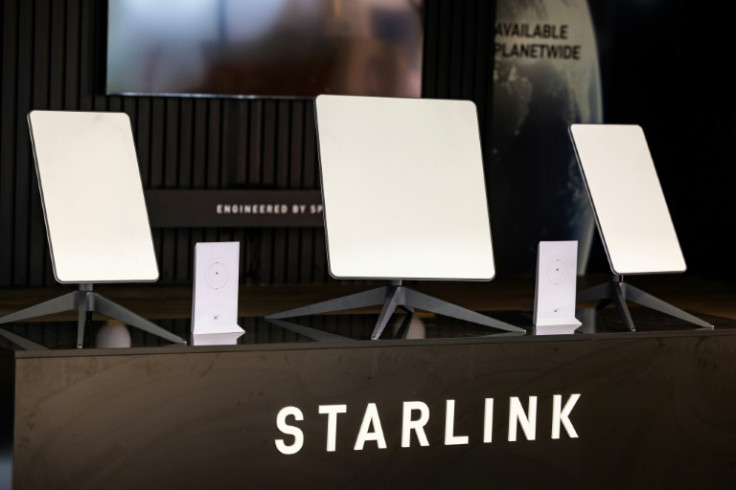
The move marks one of the first attempts by a smaller carrier to tightly integrate terrestrial cellular coverage with SpaceX's low-Earth orbit satellite broadband, promising seamless connectivity whether users are on the road or at home. The Reddit post in r/USMobile that broke the news quickly gained traction among tech-savvy subscribers excited about the "celestial and terrestrial" convergence.
According to the announcement shared on the subreddit, the Starlink One plan delivers "Unlimited Standard or Premium on all three major US networks (Warp, Darkstar, Lightspeed), plus reliable home internet from space." Warp refers to Verizon's network, Darkstar to T-Mobile, and Lightspeed to AT&T — giving customers the ability to switch or access multiple carriers through US Mobile's multi-network platform.
Details on exact pricing, data allotments and hardware requirements were still emerging as the launch approached, but early indications suggest the bundle aims to simplify billing for users who already rely on both mobile service and Starlink for home or remote connectivity. US Mobile's website teased the offering with a countdown timer, describing it as "One giant leap for connectivity."
A Strategic Partnership in a Crowded Market
US Mobile has built a reputation for affordable, customizable plans that let users "teleport" between networks and access features like international roaming or high-data options at competitive prices. Adding Starlink integration positions the carrier to appeal to rural customers, RVers, remote workers and anyone frustrated by spotty home broadband.
Starlink, operated by Elon Musk's SpaceX, has transformed satellite internet with its constellation of thousands of satellites delivering speeds often between 50-200 Mbps or higher, with lower latency than traditional geostationary services. In 2026, Starlink continues to expand residential, roam and mobile options, including recent price adjustments and improved plan flexibility.
The bundle could help Starlink reach more customers through an established MVNO while giving US Mobile a unique selling point against larger rivals like T-Mobile, Verizon and AT&T, which have their own satellite partnerships — most notably T-Mobile's direct-to-cell collaboration with Starlink for coverage in remote areas.
Industry analysts see the move as part of a broader trend toward converged connectivity. "Consumers don't want separate bills for their phone and home internet," said one telecom consultant. "Bundling cellular with satellite fills gaps where traditional fixed broadband struggles, especially in underserved regions."
What the Plan Likely Offers
While full specifications were not yet public ahead of Thursday's launch, the Reddit discussion highlighted enthusiasm for a unified experience. Users speculated the plan would include:
- Unlimited talk, text and data on US Mobile's Warp (Verizon), Darkstar (T-Mobile) and Lightspeed (AT&T) networks, with options for Standard or Premium tiers that differ in prioritization, hotspot data and international features.
- Access to Starlink home internet service, potentially with a shared or discounted dish and router setup.
- Seamless switching or failover between cellular and satellite for data when one connection weakens.
Some commenters noted that Starlink's residential plans in 2026 often start around $50-$100 per month depending on location and tier, with unlimited data options available. US Mobile's cellular plans typically range from $10-$50 monthly for unlimited options, suggesting the bundle could offer meaningful savings or convenience over purchasing services separately.
Hardware remains a key consideration. Starlink requires a dish and router, with recent price drops on the Mini version making portable use more affordable. For home use, the standard kit provides fixed-location service. Integration details — such as whether the plan includes hardware subsidies or easy activation — will likely be clarified at launch.
User Reactions and Community Buzz
The Reddit thread in r/USMobile sparked lively discussion. Many subscribers praised the innovation, with one user writing, "Finally, one bill for phone and home internet that actually works in the middle of nowhere." Others asked practical questions about data sharing between cellular and satellite, potential speed throttling, and availability in specific states.
Skeptics pointed to possible limitations: Starlink performance can vary with weather, obstructions or network congestion, and US Mobile as an MVNO may not control all aspects of the satellite service. Questions arose about whether the bundle would support Starlink's roam features for travelers or remain primarily for fixed home use.
Overall sentiment appeared positive, with the post generating significant engagement shortly after being shared on April 7, 2026. US Mobile's community has grown rapidly in recent years due to its transparent approach and customer-friendly policies, making the subreddit a key source for early announcements.
Broader Context in Satellite and Mobile Convergence
The announcement arrives as satellite-to-mobile technology gains momentum. Starlink has partnered with T-Mobile for direct-to-cell service, enabling texting and eventually data on unmodified phones in areas without traditional coverage. Similar efforts from AST SpaceMobile and others aim to extend cellular signals via satellite.
US Mobile's approach differs by bundling full home broadband with cellular rather than focusing solely on direct-to-cell. It could appeal to households already using Starlink who want to consolidate services, or to new customers seeking an all-in-one solution for rural or semi-rural living.
Competition is heating up. Major carriers are exploring their own satellite integrations, while Starlink itself has adjusted pricing and plans in 2026 to remain competitive, including more affordable roam options and residential tiers.
Regulatory and technical hurdles remain. Spectrum allocation, interference concerns and equitable access in remote areas continue to shape the industry. For consumers, the promise is clear: fewer dead zones and simpler connectivity management.
What Comes Next
As US Mobile prepares to flip the switch on Starlink One, eyes will turn to real-world performance reports, exact pricing and any introductory offers. Early adopters may receive details via email or the carrier's app.
For now, the launch represents another step in the blurring lines between mobile and fixed broadband. In an era where work, education and entertainment increasingly demand reliable internet anywhere, bundles like this could redefine expectations for everyday connectivity.
Whether Starlink One delivers on its "celestial and terrestrial" pitch will depend on execution, but the concept alone has already captured attention in tech communities. As Thursday's rollout begins, US Mobile and its subscribers may be charting a new path for how Americans stay connected — on the ground and from space.
© Copyright 2026 IBTimes AU. All rights reserved.
- Recommended For You