Did Daylight Savings Happen? Daylight Saving Time Begins March 8, 2026, Amid Ongoing Debate
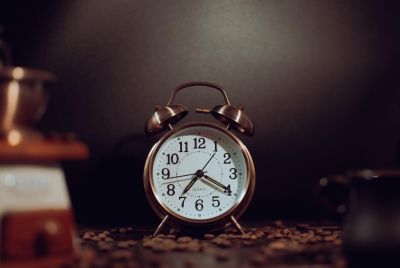
Clocks across most of the United States sprang forward one hour early Sunday, March 8, 2026, as daylight saving time officially began at 2 a.m. local time, turning the hour into 3 a.m. and costing many Americans an hour of sleep in exchange for brighter evenings.
The change, which occurs annually on the second Sunday in March, extended daylight into the late afternoon and evening hours, with sunsets shifting roughly an hour later than they were on Saturday. For example, in major cities like New York, sunset moved from around 5:50 p.m. to closer to 6:50 p.m., providing more opportunity for outdoor activities after work or school. The adjustment will remain in effect until Nov. 1, when clocks "fall back" one hour to standard time.

The U.S. Naval Observatory, the official source for such calculations, confirmed the transition, noting that sunrise and sunset times were delayed by about one hour on March 8 compared to the previous day. The practice, rooted in efforts to conserve energy and make better use of natural light, has been standard since the Energy Policy Act of 2005 extended the period beginning in 2007.
While the shift proceeded smoothly in most areas, it prompted the usual reminders: set clocks before bed Saturday night, check smoke detector batteries during the routine, and prepare for groggier mornings as bodies adjust to the lost hour. Health experts warned of short-term disruptions, including increased risks of heart attacks, strokes and traffic accidents in the days following the spring change, due to sleep deprivation.
Not everyone participated. Hawaii and most of Arizona — along with U.S. territories like Puerto Rico, Guam, American Samoa and the Northern Mariana Islands — do not observe daylight saving time and remained on standard time. In Arizona, the exemption stems from a 1968 law, while Hawaii's decision reflects its equatorial location where day length varies little year-round.
The biannual ritual continues to fuel debate. At least 19 states have passed legislation to adopt permanent daylight saving time if Congress grants approval, including Florida, which led the push in 2018. Other states like California, Oregon (except Malheur County), Washington, Idaho, Utah, Montana, Wyoming and Colorado have enacted similar measures, often requiring neighboring states to align for practical reasons like commerce and transportation.
Federal action remains stalled. Bills like the Sunshine Protection Act, which would make daylight saving time permanent nationwide, have repeatedly failed to advance despite bipartisan support in past sessions. Recent proposals include alternatives like "half-daylight saving time" or a return to permanent standard time, but no major breakthrough occurred ahead of the 2026 change.
Internationally, the picture varies. Most of Canada followed the U.S. lead, springing forward on March 8, though British Columbia announced it would adopt permanent daylight saving time starting in March 2026, making this potentially the last clock change for its residents. Europe, including the United Kingdom, will not shift until March 29, when clocks move forward one hour at 1 a.m. UTC.
Critics of the current system argue it disrupts sleep patterns, especially for children, farmers and those in western time zones where the effective shift feels more pronounced. Supporters point to benefits like extended evening recreation, reduced evening energy use for lighting and potential economic gains from more outdoor commerce.
Public opinion remains divided. Polls in recent years show a slim majority favoring permanent daylight saving time over the twice-yearly switches or permanent standard time, though preferences shift depending on phrasing. Some lawmakers, including former President Donald Trump, have called for ending the changes altogether, though executive action alone cannot alter the federal Uniform Time Act.
As Americans adjusted Sunday, many used apps, smart devices and automatic updates on phones and computers to handle the shift seamlessly. For manual clocks — ovens, microwaves, wall units and cars — the task fell to individuals, often sparking the annual hunt for instructions.
The spring forward also aligns with broader seasonal transitions. Meteorological spring began March 1, with the astronomical vernal equinox set for March 20, 2026. The longer evenings are expected to boost activities from sports to gardening as temperatures warm.
Looking ahead, the end of daylight saving time on Nov. 1 will return the nation to standard time, shortening afternoons but providing earlier sunrises in winter months. Until then, the extended light offers a preview of summer's longer days.
For now, the familiar mnemonic holds: spring forward, fall back. Whether this will be one of the last such reminders depends on congressional action — or inaction — in the months and years ahead.
© Copyright 2026 IBTimes AU. All rights reserved.
- Recommended For You