

SpaceX Stock Defies Tech Selloff, Rising 3% as Nvidia Plunges on Jensen Huang Resignation After Musk's Praise
The gain follows Musk's public support for Huang and comes amid renewed investor interest in SpaceX's AI, lunar and Starlink ambitions.
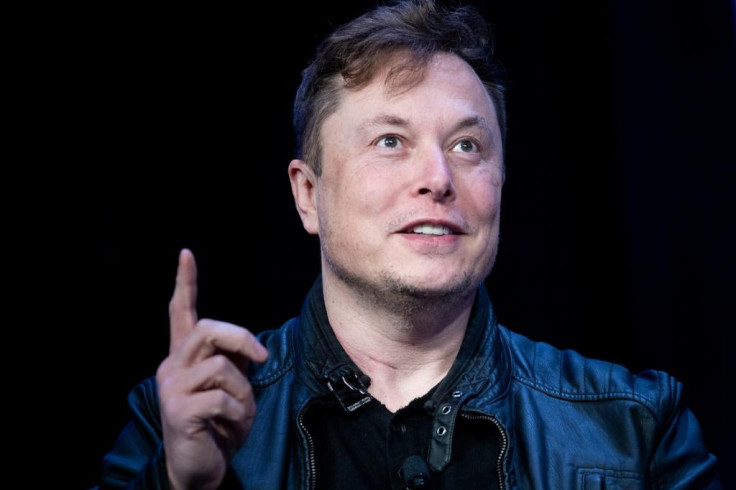
Shares of Space Exploration Technologies Corp., better known as SpaceX, rose nearly 3% on Thursday, bucking a broad technology selloff triggered by Jensen Huang's resignation as Nvidia's chief executive.
SpaceX stock traded at $143.84 in morning trading, up $4.09, or 2.93%. Nearly 28 million shares changed hands early in the session. The company's market value stood at about $1.96 trillion.
The gain came as Nvidia fell more than 8% and the Nasdaq Composite slipped about 0.9%.
Musk backed Huang
SpaceX CEO Elon Musk publicly backed Huang during the scandal. Late Wednesday, before Huang resigned, Musk replied "That would be an honor" to a social media user who asked him to hire the Nvidia co-founder.
Earlier in the week, Musk had agreed with a post calling Huang "irreplaceable for America's AI leadership."
SpaceX and Nvidia have close business ties. Nvidia owns about 122.8 million SpaceX shares, which came from its investment in Musk's AI company xAI before SpaceX acquired it. SpaceX has also committed to a $40 billion lease for Nvidia chips and equipment.
There is no indication that Musk has made Huang a formal job offer.
Recent momentum
SpaceX shares have recovered strongly in recent days. On Nov. 6, the stock jumped 8.62% to $134.27 after Musk projected that fourth-quarter revenue could rise about 70% from the third quarter.
SpaceX's AI business, which it calls Super Intelligence, has become a major growth driver. Revenue from the unit soared 830% to $7.6 billion, FX Leaders reported.
Earlier this week, NASA named SpaceX among eight companies selected for lunar contract work. Stifel reiterated its buy rating with a $190 price target.
Institutional investors have also been buying. ARK Invest purchased about $96 million of SpaceX shares across three ETFs on Monday. Exchange-traded funds added a net $99.3 million of SpaceX stock on Tuesday and $179.9 million on Monday.
Volatile debut
SpaceX went public on the Nasdaq on June 12 in a record-breaking initial public offering. The stock soared above $200 shortly after its debut and peaked at $225.64, then fell as low as $104.83.
The stock remains about 13% below its level from a year earlier and well below its post-IPO peak.
Last week, SpaceX shares fell as much as 11% after Democrats won both chambers of Congress, raising concerns about federal contracts. Tesla and SpaceX have also formed special committees to discuss a possible merger.
AI ambitions
Musk has described SpaceX as a combined space, satellite and AI computing company. He has said its AI business could reach annual recurring revenue of $500 billion to $1 trillion by the end of 2027, a target analysts consider highly ambitious.
SpaceX is also building AI infrastructure in Texas and plans to expand into cellular service through its Starlink network.
This article is for informational purposes only and does not constitute investment advice.
© Copyright 2026 IBTimes AU. All rights reserved.