

Gold Slips Toward $4,000 as Oil-Fueled Inflation Fears Lift Fed Hike Bets and Traders Sell to Cover Losses
Spot gold fell 0.7% on Friday, with rising energy costs, a technology sell-off and expectations of further Federal Reserve tightening weighing on the metal.
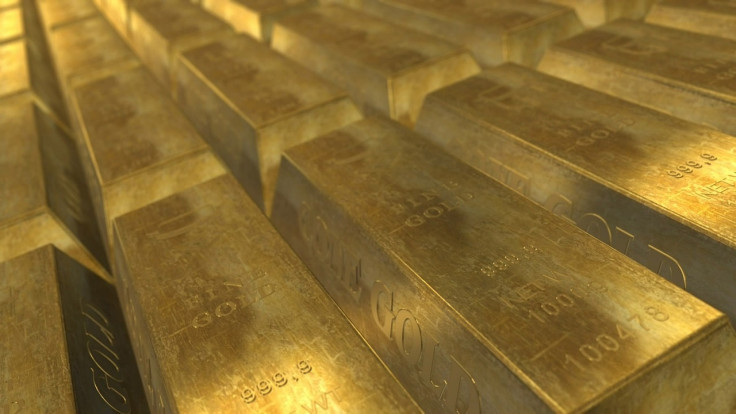
Gold prices fell on Friday, trading near $4,000 an ounce and approaching their lowest level in nearly three months, as a surge in oil prices fueled inflation fears and raised expectations for further interest rate increases by the U.S. Federal Reserve.
Spot gold fell $28.22, or 0.7%, to $4,016.50 an ounce. Earlier in Asian trading, the metal dropped to about $4,025, its lowest in more than two months, before extending its decline.
Gold is down about 6% over the past month and roughly 28% below its all-time high of more than $5,600 an ounce set in January.
Oil drives inflation fears
The decline was driven largely by the rally in oil prices. Brent crude rose above $114 a barrel on Friday after escalating attacks by Yemen's Houthi rebels on Saudi Arabia, including an attack that forced Saudi Aramco to evacuate its headquarters.
Higher energy costs raise concerns about inflation, which could push the Fed to keep raising interest rates. Gold, which pays no interest, tends to lose appeal when interest rates rise, because investors can earn higher returns on bonds and cash.
The Fed raised rates last month for the first time since 2023. Markets widely expect the central bank to hold rates steady at its meeting on Oct. 27-28, but traders see a strong chance of another increase in December. Goldman Sachs has forecast a quarter-point increase in December.
Fed Chair Kevin Warsh has acknowledged being "over-scarred from the global financial crisis," a comment analysts see as signaling a cautious approach to managing risks.
Selling to cover losses
A sell-off in technology stocks also weighed on gold. Some traders sold precious metals to cover losses elsewhere, as shares of AI-related companies tumbled following Meta Platforms' decision to raise its spending plans.
During sharp market declines, investors sometimes sell assets that have held their value, such as gold, to raise cash or meet margin calls.
However, the tech sell-off also provided some support, as doubts about the sustainability of AI investment reduced expectations for further rate increases, according to Trading Economics.
Key levels
Analysts at Societe Generale said gold had carved out "an interim low near $4,065 earlier this month," a level now broken. They said a sustained move below that level could push gold toward its June low near $3,940 an ounce, with further projections near $3,830.
The bank identified the range of $4,200 to $4,225 as "a short-term resistance zone."
Technical indicators suggest gold is approaching oversold territory, which could limit further declines in the near term.
A steep fall from the peak
Gold has fallen sharply since reaching a record high in January, when it was supported by strong demand from central banks and investors seeking a safe haven amid geopolitical uncertainty.
Rising interest rates and higher bond yields have since weighed on the metal. Earlier this month, minutes from the Fed's September meeting signaled that another rate increase "would likely be appropriate by year end," adding to pressure on gold.
Peter Grant of Zaner Metals said earlier this month that "official gold demand is the main supporting factor," referring to purchases by central banks, but warned that "rates are going to continue to be higher for longer."
Impact on miners
The decline in gold prices has hit mining stocks particularly hard. Australian gold miners fell sharply on Friday, with Ora Banda Mining dropping nearly 15% and Alkane Resources falling nearly 10%.
Gold mining shares tend to move more sharply than the metal itself, because miners' profit margins shrink quickly when prices fall.
What's next
The Fed's meeting next week will be a key event for gold. Any signal that the central bank is prepared to raise rates again in December could weigh further on prices, while a more cautious tone could support a rebound.
Developments in the Middle East, oil prices and U.S. economic data will also influence gold. While geopolitical tensions typically support gold as a safe haven, their effect on inflation and interest rates has so far outweighed that support.
© Copyright 2026 IBTimes AU. All rights reserved.