

Doctors Urge Flu Shots as Activity Rises Early in Western U.S. States This Fall
CDC surveillance shows national activity remains low, while parts of Washington, California, Hawaii and Alaska are reporting increases normally seen later in the season.
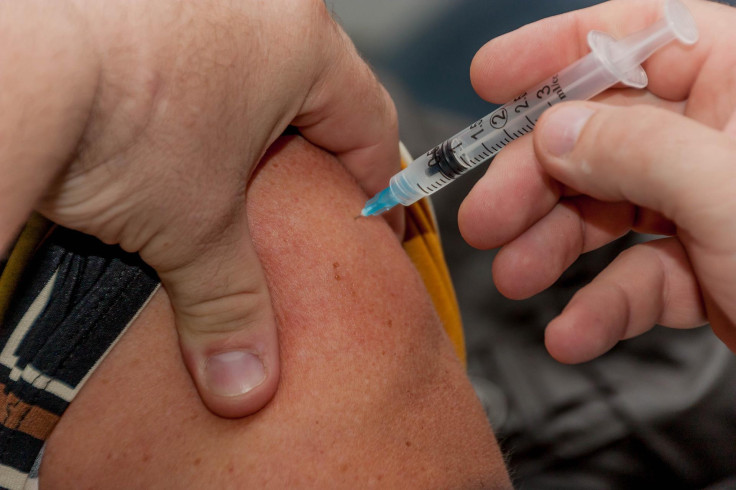
Seasonal flu activity remains low nationwide but is rising earlier than usual in parts of the western United States, prompting doctors and public-health officials to urge people to get vaccinated in October rather than wait.
The Centers for Disease Control and Prevention said in its FluView report for the week ending Oct. 3 that seasonal influenza activity is increasing in many parts of the country but remains low. Of more than 33,500 specimens tested in clinical laboratories, about 3.4 percent were positive for influenza. Nearly all subtyped influenza A viruses were A(H1N1)pdm09. Outpatient visits for influenza-like illness stood at 1.8 percent, below the national baseline of 3.1 percent. Hospitalization rates were low but had been rising since August.
Epic Research reported that the rate of influenza encounters across office, emergency-department and inpatient settings reached 140.6 per 100,000 patients the week of Sept. 13, the highest mid-September level in five years and roughly double the rate of the same week in 2024 and 2025. Test positivity that week was 1.5 percent, also the highest mid-September reading in the post-pandemic period.
"We are very early in the influenza season," said Dr. Yuan-Po Tu, medical director for infectious disease and outbreak response at Optum Care Washington. "What's unusual about this season is how early it has taken off, especially on the West Coast."
Caitlin Rivers, an epidemiologist at the Johns Hopkins Bloomberg School of Public Health, said the percentage of people testing positive in the West has been rising steadily since early September and that emergency-department visits for flu have also been rising for weeks. "It's very uncommon to see flu activity rising this early," she said. "It's activity that we might normally see more like November or December."
Danielle Zerr, head of pediatric diseases at Seattle Children's, said the season appeared about two months early. In Washington state, some hospitals were already seeing levels of illness more typical of early winter. California, Hawaii and Alaska have also reported early increases. Nationally, 49 states and the District of Columbia were still reporting minimal influenza-like illness, with Louisiana at low levels.
The CDC's seasonal outlook calls for a moderate flu season overall, comparable to last year, though the agency notes considerable uncertainty this early. Last season was moderate across all ages but high severity for children. The agency continues to recommend annual vaccination for everyone six months and older, ideally before the end of October, and notes that prescription antivirals are available and should be started early in higher-risk patients.
"And we want to start vaccinating September, October, so that we're well equipped, so that the vaccines last all the way through May season," said Dr. Juanita Mora, national medical spokesperson for the American Lung Association, which has launched a campaign urging shots before the peak of respiratory season.
Scott Hensley, a virologist at the University of Pennsylvania, said, "It's crucial that people get an influenza vaccine. And this might be a year that people might want to get a vaccine early."
One possible contributor is a mutated variant that appears better able to evade existing immunity, particularly among teenagers. Dr. Alex Greninger, a virologist who heads infectious-disease diagnostics at the University of Washington, said doctors there were seeing as much flu as they usually would around Christmas and that the mutated variant appeared common. "That's our best argument for what's going on right now in terms of this early flu season," he said.
William Schaffner, an infectious-disease specialist at Vanderbilt University School of Medicine, said the season started a good month and a half earlier than usual and began in the West rather than the South, where it often starts. Amesh Adalja of the Johns Hopkins Center for Health Security noted the same geographic pattern.
Margot Savoy, chief medical officer for the American Academy of Family Physicians, said flu remains relatively low nationwide but has been trending upward since late summer. National test positivity rose from about 1.3 percent at the beginning of September to 3.4 percent by the end of the month.
It takes roughly two weeks after vaccination for the body to produce protective antibodies. Getting a shot in early or mid-October therefore provides protection before the usual peak months of December through February. The Advisory Committee on Immunization Practices continues to recommend routine annual vaccination for everyone six months and older without a contraindication, ideally in September or October, with vaccination continuing while viruses circulate.
The early rise does not by itself predict the length or severity of the season. "An early start tells you little about when the season will end or how bad it will be," one analysis noted. CDC surveillance still classifies national activity as low. The practical recommendation from clinicians is simply to move the timing of the shot forward for people who have not yet received one.
Higher-risk groups include young children, adults 65 and older, pregnant people, and those with chronic heart, lung or metabolic conditions. Mora has said the flu is much worse than the common cold and can cause high fever, severe muscle and joint pain, and days of missed work or school. Antiviral treatment, when started early, can reduce the duration of illness in those groups.
Vaccine uptake has lagged in recent seasons. For the 2025–26 season, more than one million fewer flu shots were administered to adults 18 and older than the year before. The CDC has not promoted the vaccine as aggressively as in prior years. A spokesperson said the agency is developing a communications strategy to provide clear information about influenza vaccination and other protective steps, including the benefits and risks of vaccination.
The early activity is concentrated, not uniform. Most of the country still reports minimal levels. The West Coast accounts for the clearest early signal. That geographic difference is why national numbers remain low even as individual hospitals in Washington and California report volumes they normally see later in the year.
No new national death or hospitalization totals for the current season have been released beyond the preliminary weekly figures. Influenza-associated pediatric deaths reported in the most recent FluView update were from the prior season. The current recommendation rests on the timing of the rise, the two-week lag before vaccine protection develops, and the longstanding advice that vaccination is most useful when given before widespread circulation.
People who have already had flu this fall can still benefit from vaccination against the other circulating strains. The vaccine contains components for both influenza A subtypes and influenza B. Clinicians say the shot can be given at the same time as other fall vaccines, including the updated COVID-19 vaccine, for people who are eligible for both.
The practical steps remain the same as in any season: vaccination for those six months and older without a contraindication, hand hygiene, staying home when ill, and prompt antiviral treatment for higher-risk patients who develop symptoms. The difference this year is the calendar. Activity that is normally seen in November or December is already measurable in parts of the West in early October. That is the reason doctors are telling patients not to wait until the end of the month.
© Copyright 2026 IBTimes AU. All rights reserved.