

Virgin Australia Shares Soar Nearly 9% as Oil Plunge Promises Relief From Fuel Costs That Doubled During War
The airline outperformed Qantas after crude prices fell sharply, although cheaper airfares and lasting relief for carriers remain uncertain.
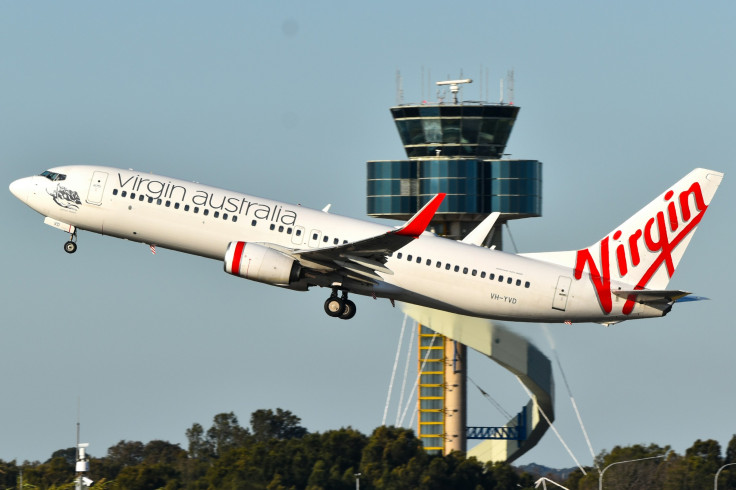
SYDNEY — Shares of Virgin Australia jumped nearly 9% on Tuesday, leading Australian airline stocks higher after a sharp overnight drop in oil prices raised hopes of relief from soaring fuel costs.
Virgin Australia stock rose 22 cents, or 8.87%, to close at 2.70 Australian dollars, after trading between A$2.55 and A$2.73. About 2.1 million shares changed hands, and the airline's market value rose to about A$2.1 billion.
The shares touched their highest level since Oct. 13, according to Investing.com.
Oil tumbles
The rally followed a plunge of roughly 7% to 8% in global oil prices overnight, as markets responded to renewed hopes for negotiations surrounding the conflict with Iran. Both Brent crude and West Texas Intermediate fell sharply.
Fuel is one of the largest costs for airlines, and lower crude prices can eventually translate into cheaper jet fuel, potentially supporting margins if the decline is sustained.
Jet fuel prices have more than doubled since the United States and Israel went to war against Iran in late February, according to ABC News. The conflict disrupted oil shipments through the Strait of Hormuz and sent energy prices sharply higher.
Fares and routes
To cope with higher fuel costs, Virgin Australia and Qantas, along with Qantas' budget arm Jetstar, have raised airfares and suspended several less-profitable routes, particularly in regional areas, ABC News reported.
Whether lower oil prices will lead to cheaper tickets for travelers remains uncertain. As Stockhead put it: "Whether passengers will see cheaper tickets is another matter."
Outpacing Qantas
Virgin outpaced its larger rival on Tuesday. Qantas shares rose 6.36% to A$9.36.
Earlier in the session, Virgin was up about 7.3%, according to Market Index, and the stock has gained nearly 12% over the past week.
Despite the recent gains, Virgin shares remain down sharply this year. The stock had fallen about 24% in 2026 as of Tuesday morning, and is down about 19% over the past 12 months.
Return to the market
Virgin Australia returned to the Australian Securities Exchange in 2025 through an initial public offering, about five years after collapsing into voluntary administration during the COVID-19 pandemic.
The airline is Australia's second-largest carrier. Qantas and Jetstar held about 65% of the domestic market at the end of 2024, while Virgin held about 35%, according to Australia's competition regulator.
As a smaller airline with less financial cushion, Virgin's profits can be particularly sensitive to swings in fuel prices, which may explain the stock's outsized moves.
Energy stocks fall
The oil price drop had the opposite effect on energy producers. Woodside Energy, Santos and other oil and gas companies fell, with the energy sector among the weakest performers on the ASX.
A volatile day
The broader market was volatile. The S&P/ASX 200 index rose early, slipped into negative territory around midday amid reports of fresh U.S. strikes on Iran, then recovered to close 0.34% higher at 8,886.8.
The Reserve Bank of Australia raised its cash rate to 4.85% on Tuesday, its fifth increase this year, but investors focused on signs that the central bank may pause further hikes.
Asian airlines rally
The rally extended beyond Australia. Airline stocks in China also rose on Tuesday as lower oil prices eased concerns over aviation fuel costs, according to Investing.com.
What's next
Virgin's shares are likely to remain sensitive to developments in the Middle East. Any progress toward peace that keeps oil prices lower could support airline stocks, while renewed escalation could quickly reverse Tuesday's gains.
Investors will also watch for any updates from Virgin on fuel costs, fares and capacity heading into the busy summer travel season in Australia.
© Copyright 2026 IBTimes AU. All rights reserved.