

Energy Drinks Linked to Cardiac Arrest and Heart Attacks in Young Adults, New FDA Data Analysis Finds
Preliminary research found the strongest pattern among 18- to 34-year-olds, but researchers caution that the findings do not prove the products caused the events.
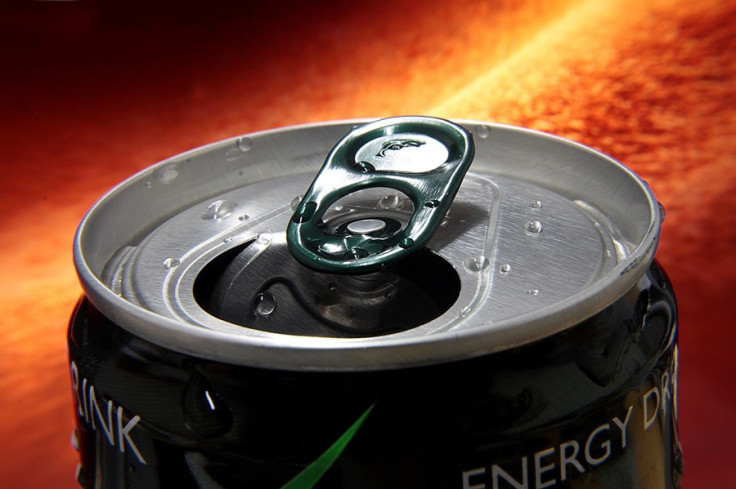
CHICAGO — Energy drinks and stimulant supplements showed up far more often than other products in federal reports of cardiac arrest, heart attacks and dangerous heart rhythms, according to new research. The pattern was especially strong among adults ages 18 to 34.
The preliminary study will be presented at the American Heart Association's Scientific Sessions 2026 in Chicago. It analyzed reports to the U.S. Food and Drug Administration's adverse event database from 2017 to 2025.
What the researchers found
Researchers reviewed more than 28,000 reports. Of those, 854 involved energy drinks or supplements containing caffeine or other stimulants, and 27,491 involved products without them.
Compared with other products, reports involving energy drinks and stimulant supplements were:
about 11 times more likely to include cardiac arrest about 4.5 times more likely to include heart attacks about four times more likely to include ventricular arrhythmias, which are dangerous rhythms in the heart's lower chambers, or palpitations nearly three times more likely to include an elevated heart rate 2.71 times more likely to include chest pain about twice as likely to include fainting
Young adults made up a large share of the cases. Doctors have described irregular heart rhythms and sudden cardiac deaths in young people with no known heart risk factors who had consumed these products.
Important limitations
The study does not prove that energy drinks or supplements caused any of the heart events. Reports to the FDA database are not verified, and other factors may have influenced the results.
The research has not yet been published in a peer-reviewed journal. Findings presented at medical meetings are considered preliminary until they are published.
Dr. Gregory Marcus, who chaired the American Heart Association's 2026 scientific statement on caffeine and cardiovascular disease, was not involved in the study. He said it raises concerns that products with very high amounts of caffeine may harm the heart, but cautioned that "the study does not prove that caffeine products cause these events."
Marcus said occasional use is probably low risk for many healthy people. However, he said people who regularly drink energy drinks or take stimulant supplements can quickly go over the recommended daily caffeine limit. He added that more research is needed.
How much caffeine is too much?
According to the American Heart Association, up to 400 milligrams of caffeine a day is generally safe for most adults. That is about five 8-ounce cups of regular black coffee.
Some energy drinks contain a large share of that amount in a single can. Many also include other stimulants, such as guarana, that add to the total.
A growing market
Energy drink sales have more than doubled over the past decade and reached more than $20 billion in 2024, the researchers said.
Earlier research found that about one in five young people who had sudden cardiac arrest regularly used energy drinks. Some doctors have also pointed out that routine sports physicals can miss underlying heart conditions in young athletes.
What it means for consumers
The researchers said people should pay close attention to how much caffeine and how many stimulant ingredients they consume, especially when combining several products.
People who have heart symptoms such as chest pain, a racing heartbeat or fainting should seek medical care right away.
© Copyright 2026 IBTimes AU. All rights reserved.