

Ebola Cases in Congo Surpass 10,000 as Fastest-Growing Outbreak on Record Spreads With No Approved Vaccine
The country's largest-ever Ebola epidemic has killed nearly 5,000 people, while a clinical trial tests whether an existing vaccine can protect against the rare virus strain.
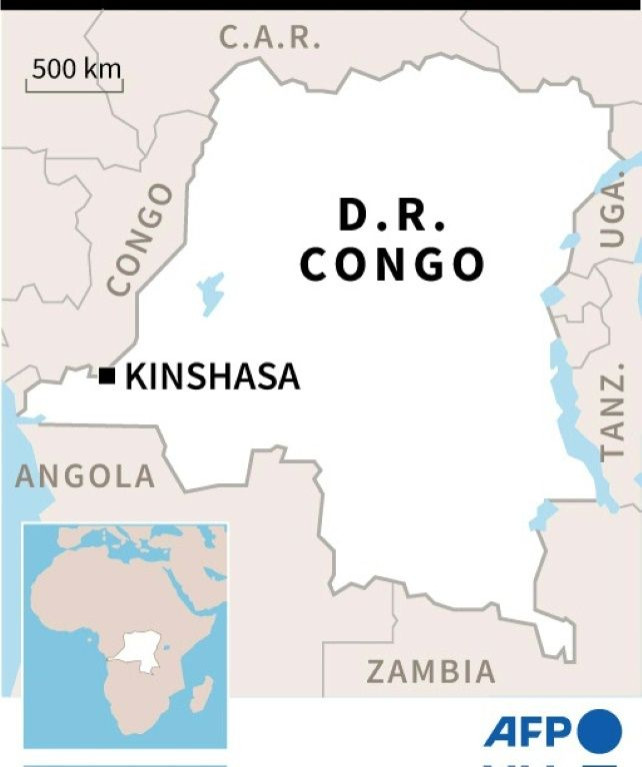
KINSHASA, Congo — Confirmed Ebola cases in the Democratic Republic of Congo have surpassed 10,000, making the outbreak the largest in the country's history and the second-largest ever recorded, as health workers struggle against violence, mistrust and a rare strain with no approved vaccine or treatment.
Government data released Tuesday put confirmed cases at 10,060 and deaths at 4,887 as of Oct. 25. Later figures from Congo's Health Ministry showed 10,141 cases and nearly 5,000 deaths.
The outbreak has become the fastest-growing Ebola epidemic on record. Nearly half of those confirmed to have the virus have died.
A rare and dangerous strain
The outbreak, declared May 15, is caused by the Bundibugyo virus, a rare species of Ebola for which no vaccine or treatment has been approved.
It has since surpassed the 2018-2020 epidemic to become Congo's largest and deadliest, and it now ranks behind only the 2014-2016 West African outbreak, which infected more than 28,600 people and killed more than 11,000, mainly in Guinea, Liberia and Sierra Leone.
This is Congo's 17th Ebola outbreak.
Spreading across provinces
Cases have been recorded in 66 health zones across eight of the country's 26 provinces, up from just three health zones in the first days of the outbreak.
The eastern province of Ituri remains the epicenter, accounting for more than 70% of confirmed cases. The latest infections were reported in Ituri, North Kivu and Tshopo provinces.
The outbreak began in a vast, volatile region already strained by conflict, hunger and widespread displacement.
Violence hampers response
Health workers face growing danger. Violence against responders recently left a nurse dead, according to the government and United Nations.
Dozens of rebel and militia groups operate across eastern Congo, including the Islamic State-linked Allied Democratic Forces. The insecurity has displaced many residents and restricted health workers' access to affected communities.
Community mistrust and misinformation have also slowed the response. Some residents compare Ebola to poison, and some local pastors associate it with evil spirits.
Cases slipping through the cracks
Officials say too many infections are going undetected. Forty of the 46 most recent deaths occurred in communities rather than Ebola treatment centers, underscoring challenges in finding cases early and getting patients into care.
Government data from early October showed that more than 70% of new cases were outside known contact lists, and at least 60% of deaths occurred outside treatment centers.
The Africa Centres for Disease Control and Prevention has said at least 95% of cases must come from known contacts of infected people for the outbreak to be considered under control.
Vaccine trial begins
Without an approved vaccine, researchers have launched the first clinical trial aimed at stopping the Bundibugyo virus. The World Health Organization announced the rollout last week.
The trials, called TUMAINI, which means "hope" in Swahili, will first evaluate whether the Ervebo vaccine, used against the Zaire strain of Ebola, can provide protection in the current crisis. Testing is taking place at sites including Rwampara Hospital in Ituri.
WHO urges persistence
"Sustained efforts are essential to end the outbreak," WHO said in a social media post.
The agency also pointed to signs of progress. More than 2,600 people have recovered from Ebola, and capacity for testing and treatment has expanded.
Fears of wider spread
The milestone has heightened concern that the virus could spread further across Africa and beyond.
Uganda reported 20 cases, mostly imported from Congo, and two deaths in May and June, but WHO declared the country Ebola-free in August. Kenya has reported a second death, and Nigeria has also reported cases this year.
Health officials are investigating how the wife of a Swiss diplomat contracted the disease. The woman, who had not traveled to Congo, is believed to have been infected in Uganda, according to the Swiss government. She and her husband were flown to hospitals in Switzerland on Monday.
How Ebola spreads
Ebola spreads through direct contact with the bodily fluids of infected people or contaminated materials, and through contact with the bodies of those who have died. Symptoms include fever, fatigue, muscle pain, vomiting and diarrhea, and in some cases internal and external bleeding.
Early treatment and supportive care improve survival, making rapid detection critical.
What comes next
With transmission persisting at the epicenter and cases appearing outside known contact lists, health officials warn that the outbreak is far from contained.
The success of the vaccine trial, improved access to affected areas and stronger community trust will likely determine whether the epidemic can be brought under control before it reaches the scale of West Africa's crisis a decade ago.
© Copyright 2026 IBTimes AU. All rights reserved.