

Congo Ebola Outbreak Kills More Than 5,400 as Deadliest Epidemic in Its History Spreads Amid Attacks on Medics
Violence, mistrust and the absence of an approved vaccine are hindering efforts to contain the outbreak, which has spread across eight Congolese provinces and into three neighbouring countries.
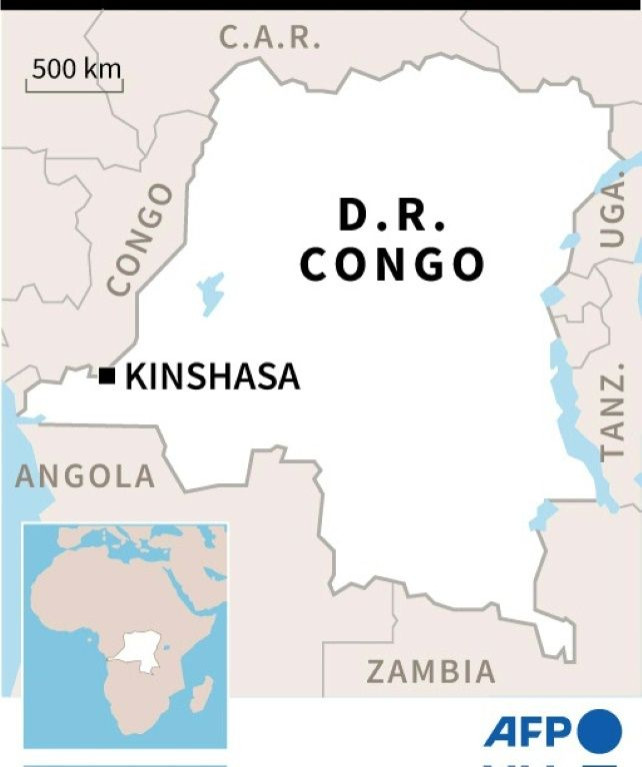
KINSHASA, Congo — The Ebola outbreak in the Democratic Republic of the Congo has killed more than 5,400 people, making it the deadliest in the country's history. Violence, mistrust and the lack of an approved vaccine are hampering efforts to stop it.
As of Nov. 12, Congo had reported 11,197 confirmed cases, including 5,471 deaths, according to the European Centre for Disease Prevention and Control. Eight provinces have been affected: Ituri, North Kivu, South Kivu, Tshopo, Haut-Uélé, Bas-Uélé, Sud Ubangi and Nord Ubangi.
The case-fatality rate is above 50%.
Second-largest outbreak on record
The outbreak, Congo's 17th, was declared in mid-May in Ituri province. The World Health Organization declared it a public health emergency of international concern days later.
It is now the second-largest and second-deadliest Ebola outbreak on record, behind only the 2014-2016 epidemic in West Africa. It is also Congo's fastest-growing outbreak, passing 1,000 confirmed cases within 40 days of the response being activated. The 2018 outbreak took about 235 days to reach that number.
The outbreak is caused by the rare Bundibugyo strain of Ebola, for which there is no approved vaccine or treatment. Clinical trials of two experimental vaccines began this month.
Spread beyond Congo
Cases have also been reported in Uganda, Kenya and Nigeria, giving the outbreak the widest geographic spread of any Ebola outbreak in Africa. Kenya reported nine cases linked to an imported case from Congo, including two deaths, and discharged its last patient on Nov. 11. It is now counting down the 42 days needed to be declared Ebola-free. Uganda's outbreak has ended.
Violence hampers response
The WHO says insecurity is now one of the biggest obstacles.
"Insecurity is now one of the greatest obstacles to the response," WHO Director-General Tedros Adhanom Ghebreyesus told member states Nov. 11.
He said 66 civilians, including three health workers, were killed in an attack on the town of Cantine-Aloya, and three health facilities were looted and burned. Two weeks earlier, a nurse was killed while responding to an Ebola alert in Tshopo province.
Tedros noted some progress, saying almost 3,000 people have recovered and transmission is slowing in some areas. But he warned that new hotspots continue to emerge. "We cannot mistake progress in some places for control of the outbreak as a whole," he said.
Mistrust a major obstacle
Congo's Health Ministry has warned that mistrust is a major obstacle, shown in rumours, high rates of refusal of health screening, resistance to safe burials and falling attendance at health facilities.
Tedros has stressed that proven measures remain essential while vaccine trials continue. "Vaccines are powerful tools, but they're not substitutes for the proven measures that can save lives now," he said, citing early care, contact tracing, isolation, safe burials and trusted engagement with communities.
Many deaths have occurred outside treatment centers, raising concern that the true toll may be higher than reported.
© Copyright 2026 IBTimes AU. All rights reserved.