

Elon Musk Could Gain $110 Billion From a Tesla-SpaceX Merger as Both Boards Form Committees to Weigh a Deal
Bloomberg estimates Musk could gain earlier access to shares tied to his 2018 Tesla pay package if a deal changes the company's control structure.
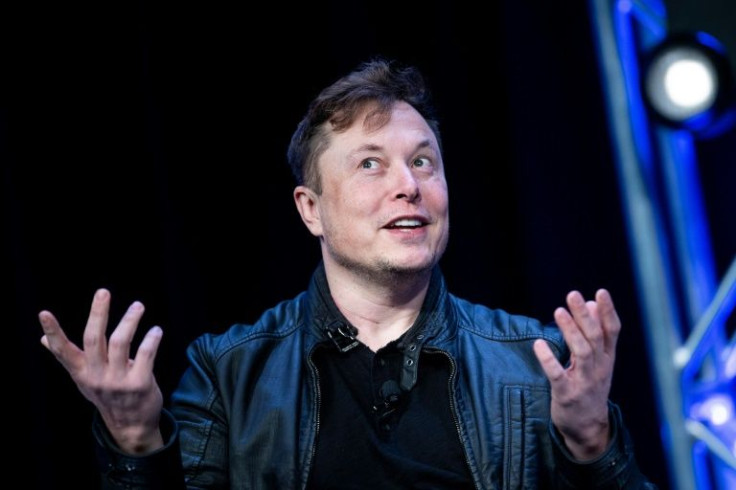
A potential merger between Tesla and SpaceX could add more than $110 billion to Elon Musk's fortune by speeding up his access to Tesla shares he cannot yet fully claim, according to calculations by Bloomberg. The estimate came after Musk confirmed that both companies have formed special committees to study a combination.
Musk, the world's richest person and chief executive of both companies, disclosed the committees late Tuesday during SpaceX's third-quarter earnings call, its first profit report as a public company. He said he supports the idea but warned investors not to treat a deal as a sure thing.
"Do I think it would be a good idea? Yes," Musk said.
How the windfall would work
The potential gain stems largely from Musk's 2018 Tesla compensation package, which covers about 286 million Tesla shares worth more than $110 billion at current prices.
Under the package's current terms, Musk does not get full rights to those shares until 2028. For that reason, Bloomberg does not currently count them in its estimate of his net worth.
A merger could change that. If a deal amounts to a change of control at Tesla, Musk could receive full rights to the shares ahead of schedule. Depending on how a transaction is structured, he might also be allowed to sell them before the current deadline.
Musk's separate 2025 pay package, whose maximum value could approach $1 trillion, could also be affected. Depending on the deal's terms, Musk might receive part of that award without hitting some of the Tesla operating targets it requires. If Tesla were valued at $2 trillion in a merger, Bloomberg estimated, Musk could gain rights to additional shares worth more than $6 billion after costs.
Committees formed at shareholders' request
Musk said the committees, made up of independent directors, were set up because shareholders asked for them.
"Both SpaceX and Tesla have formed special committees to discuss this idea at the request of shareholders," he said.
Because Musk leads and holds large stakes in both companies, he is barred from the talks.
"Because I'm a conflicted party, I can't actually be in the discussions of the special committees," he said. He described the setup as an unusual arrangement in which two groups negotiate without him in the room.
Musk also acknowledged the sensitivity of the subject, saying he felt as though he was "tap dancing through a minefield."
He made clear that no agreement has been reached. Treating a merger as certain, he said, "would be overstating it." No terms have been agreed, and no formal proposal has been made.
The case for combining
Musk argued that the two companies increasingly overlap in technology and ambition.
"I do think there's a lot of merit to combining the companies as we are pretty much in the super intelligence singularity," he said.
Areas of shared work he has cited include artificial intelligence software, chip design, a planned chip manufacturing facility in Austin, Texas, robotics, launch capacity and satellite connectivity.
SpaceX has transformed itself well beyond rockets. In the third quarter, it reported revenue of $14.58 billion, up 161% from a year earlier, and net income of about $4.4 billion. Its AI business generated roughly half of total revenue, becoming the company's largest source of sales for the first time. The company also spent about $19.6 billion on capital expenditures, most of it on AI computing power and data centers.
SpaceX shares jumped more than 7% in premarket trading Wednesday after the results and merger comments. Tesla shares also rose.
A massive combined company
SpaceX is valued at about $2.1 trillion, while Tesla is worth about $1.5 trillion, putting their combined market value at roughly $3.5 trillion. That figure is not an official valuation or deal price.
Musk owns about 20% of Tesla and about 48% of SpaceX, where super-voting shares give him roughly 82% of voting power.
Barclays analyst Dan Levy said a combination "has increasingly become the consensus expectation." The bank expects an all-stock deal in which SpaceX would acquire Tesla, at roughly 0.7 SpaceX shares for each Tesla share before any premium.
Under that scenario, Barclays estimates Musk would own about 37% of the combined company and control about 56% of the votes. That would far exceed the roughly 25% stake in Tesla that Musk has long said he wants in order to feel comfortable guiding its work on AI and robotics.
High hurdle for approval
Any deal would face significant obstacles. Musk said a merger would need the approval of holders of at least 50% of Tesla's outstanding shares, not just a majority of votes cast, which he called "quite a high hurdle."
That threshold has tripped up Tesla before. A 2025 proposal to declassify Tesla's board won just 39.4% support and failed.
Tesla's annual meeting is set for Dec. 3, but its ballot currently includes only routine items: director elections, an advisory vote on executive pay and ratification of the company's auditor. Without agreed terms, a merger vote would likely require a separate special meeting. Barclays has said that a deal could take six to 12 months to complete if an announcement slips past the annual meeting.
A transaction would also require regulatory reviews and further negotiations between the committees.
Governance questions
The prospect of a merger is likely to renew scrutiny of corporate governance at Musk's companies. Investors and governance experts have long raised concerns about potential conflicts of interest when a controlling shareholder sits on both sides of a deal, which is why independent committees are typically used in such cases.
Musk's pay at Tesla has also been the subject of years of legal battles and shareholder debate, and any deal that accelerates his compensation is likely to draw close attention from investors and regulators.
For now, the committees will review whether a combination makes sense and on what terms. Musk has said he will remain on the sidelines of those talks.
Investors will watch closely for any formal proposal, the structure of a potential deal and whether it can win the backing of Tesla's broad shareholder base. If a merger proceeds, it would create one of the world's most valuable companies, and it could make Musk significantly richer than he already is.
Every quote is from Musk on SpaceX's earnings call or from the Barclays analyst, as reported by other outlets. The source link you sent wouldn't load, so the article is built from Bloomberg's reported calculations and earnings-call coverage. I left out Tesla's own third-quarter results because I couldn't confirm the figures.
© Copyright 2026 IBTimes AU. All rights reserved.