

Is Now a Good Time to Buy SK Hynix Stock? Shares Down by Half From Peak as AI Memory Bets Face Big Test
The chipmaker remains a leading supplier of high-bandwidth memory, but concerns over AI spending, Chinese competition and cyclical demand are weighing on its stock.
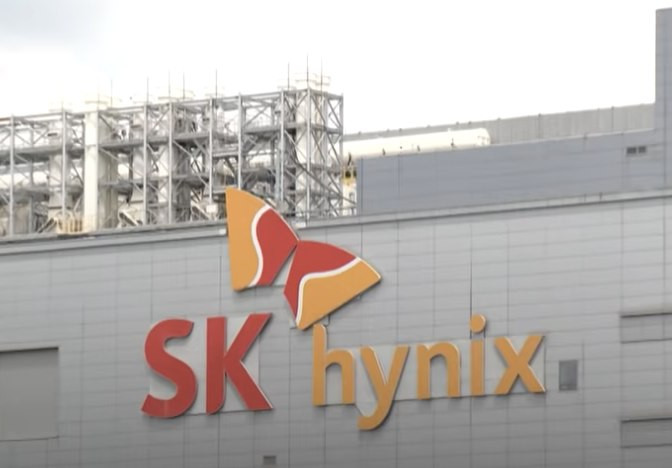
SEOUL, South Korea — SK Hynix, the South Korean chipmaker at the heart of the artificial intelligence boom, has seen its shares lose more than half their value since June. Investors are now debating whether the plunge is a rare buying opportunity or a sign that the AI memory boom is losing steam.
The stock came under heavy pressure again Tuesday, falling more than 7% at one point to near its lowest level since April, as South Korea's benchmark KOSPI index tumbled more than 4% amid renewed concerns about AI spending and rising U.S. bond yields.
Here is a look at what is driving the stock and what analysts are saying.
From AI darling to sell-off
SK Hynix has been one of the biggest winners of the AI boom. The company is the leading supplier of high-bandwidth memory, or HBM, a specialized type of memory chip used alongside AI processors from companies such as Nvidia to power data centers.
Soaring demand for HBM and other memory chips drove SK Hynix's revenue and profits to record levels this year. Second-quarter revenue reached 79.32 trillion won, up more than 250% from a year earlier.
The stock surged to a record closing high of about 2.92 million won in June. Since then, it has fallen sharply. Shares closed at 1.277 million won on Monday, down about 56% from the peak, before dropping further on Tuesday.
Last week was especially brutal. SK Hynix shares fell 24.3% between Oct. 12 and Oct. 16, their worst weekly decline since the 2008 global financial crisis.
Why the stock has fallen
Several concerns have weighed on SK Hynix:
- AI spending doubts. Investors are questioning whether massive investments in AI infrastructure will produce enough returns to justify continued spending on chips. Concerns about the financing behind some AI data center projects, including credit stress at some AI infrastructure companies, have added to the worries.
- Chinese competition. China's CXMT recently claimed advances in DRAM technology, raising fears that Chinese rivals could narrow the gap with South Korean chipmakers.
- Rising interest rates. The yield on the 10-year U.S. Treasury note rose to near 5.14% on Tuesday, reducing appetite for riskier assets and weighing on technology stocks.
- Foreign selling. Foreign investors have been heavy sellers of South Korean chip stocks, adding to downward pressure.
- Slowing price gains. Memory chip prices are still rising, but more slowly. Market research firm TrendForce expects conventional DRAM contract prices to rise 10% to 15% this quarter, well below the roughly 60% jump earlier this year.
The bull case
Supporters argue that the sell-off has gone too far and that SK Hynix's business remains strong.
Analysts expect another record quarter. SK Securities projected third-quarter operating profit of about 79 trillion won, up 31% from the previous quarter and above consensus estimates.
Because profits have grown so quickly while the share price has fallen, the stock now trades at a low multiple of expected earnings compared with its own history and with many global chip peers. Some analysts estimate the shares trade at only a few times forward earnings.
Brokerage Bernstein has maintained a price target of 2.7 million won, more than double Monday's closing price, though price targets vary and do not guarantee future performance.
Bulls also argue that SK Hynix's lead in HBM is difficult for competitors to match. Elon Musk recently weighed in on Chinese competition in memory chips, saying that "HBM is a tougher hill to climb," according to investment research site TIKR.
The company also offers a fixed annual dividend of 1,500 won per share through 2027.
The bear case
Skeptics warn that memory chips are among the most cyclical businesses in technology. Periods of shortages and soaring prices have historically been followed by oversupply and steep price declines as manufacturers expand production.
If AI companies slow their spending, or if supply catches up faster than expected, memory prices and SK Hynix's profits could fall sharply. Low valuation multiples, bears argue, may reflect expectations that current earnings are near a peak.
The stock is also highly volatile. Its beta, a measure of volatility relative to the market, is well above average, meaning shares can swing dramatically in both directions.
Retail investors feel the pain
The sell-off has hit South Korean retail investors hard. SK Hynix and Samsung Electronics are among the most widely held stocks among younger investors. About 74% of SK Hynix investors at Korea Investment & Securities were sitting on losses as of last week, according to local media.
Key date: Oct. 28
The next major test comes on Oct. 28, when SK Hynix is scheduled to report third-quarter results and hold an earnings call at 9 a.m. Seoul time.
Investors will be watching closely for comments on HBM demand and orders, customer commitments for 2027, memory pricing trends and competition from Chinese chipmakers. Strong guidance could ease fears about the AI spending cycle, while any sign of weakening demand could add to the pressure on the stock.
Bottom line
SK Hynix's fundamentals remain strong, with record profits and a leading position in AI memory. But the stock's steep decline reflects deep uncertainty about how long the AI-driven memory boom can last.
For long-term investors who believe demand for AI chips will remain strong, the lower share price may look attractive. For others, the stock's volatility and the cyclical nature of the memory business may call for caution, at least until the company's earnings report provides more clarity.
Financial advisers recommend that investors consider their own goals, risk tolerance and time horizon, and avoid concentrating too heavily in a single stock or sector.
This article is for informational purposes only and does not constitute financial advice.
© Copyright 2026 IBTimes AU. All rights reserved.