

(VIDEO) Indie Hit How to Fish Sells 1 Million Copies in Two Days as Quirky Fishing Craze Takes Over Steam
Dazed Games' debut title combines fishing with combat, achieving rapid success on Steam.
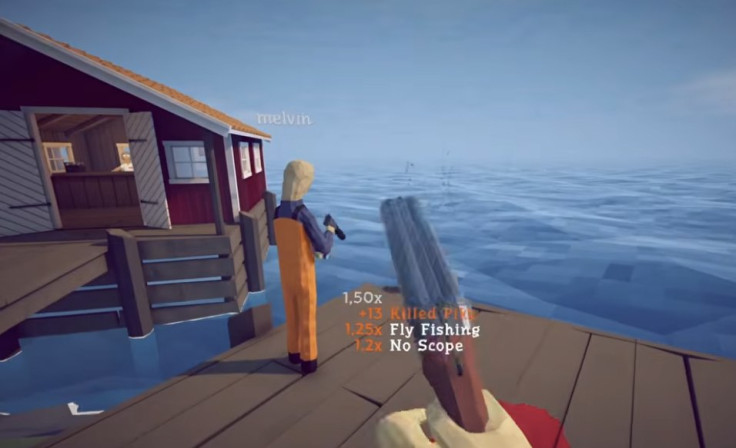
A low-priced co-op fishing game with an unusual arsenal of weapons has become one of Steam's standout releases of the week, selling 1 million copies in just two days after launch.
How to Fish, the debut title from developer Dazed Games, arrived on Steam on Aug. 20 and quickly climbed the platform's top sellers list. The studio announced the sales milestone shortly afterward, confirming the game had reached 1 million units sold within 48 hours. Concurrent player counts peaked near 268,000, according to tracking data, placing it among the most-played titles on the service during its opening weekend despite competition from higher-profile releases.
The game is priced at $7.99, with a 38 percent launch discount bringing the cost to $4.95 through late August. That accessible price point, combined with short session times and strong multiplayer appeal, has helped drive rapid adoption. Steam reviews have been strongly favorable, with the title earning a "Very Positive" rating based on roughly 12,000 user assessments in its first days.
How to Fish casts players as a group of friends who crash their boat onto an island and must catch, kill and sell fish to earn money for upgrades that will eventually get them home. While the core loop involves casting a line and reeling in catches, the game expands the concept with a wide range of weapons and tools. Players can dispatch fish with brass knuckles, submachine guns, dynamite and other implements. A killscore multiplier rewards impressive or inventive methods of taking down the catch, increasing its sale value.
Progression moves players to new islands featuring more difficult creatures and tougher boss encounters. The straightforward cycle of fishing, eliminating the catch, selling it and reinvesting the proceeds supports both casual sessions and longer co-op runs. The game supports multiplayer for small groups, fitting the growing category of affordable, physics-driven party titles sometimes described as "friendslop" for their emphasis on shared, often chaotic entertainment rather than complex systems or competitive balance.
Dazed Games has already released multiple patches addressing bugs and making balance adjustments. In its Steam announcement of the sales figure, the studio offered a concise update on future plans: "Yes, we'll be adding more content! Yes, we'll be fixing bugs!"
The success arrives amid a broader wave of inexpensive multiplayer games that prioritize approachable mechanics, short play sessions and social humor. Titles in this space often gain traction through streaming and short-form video clips that highlight unexpected physics interactions or group failures. How to Fish's combination of fishing with over-the-top weaponry and trick-shot scoring appears well suited to that discovery path.
Early player feedback has highlighted the contrast between the game's relaxed premise and its more aggressive options for dealing with fish. The ability to no-scope or punch catches, then sell them for higher returns based on the spectacle of the kill, has become a recurring point of discussion. Boss fights add challenge that can stretch sessions beyond the basic loop, while the boat-upgrade goal provides a light narrative frame for the progression.
The launch timing placed How to Fish against several anticipated titles, including major betas and sequels. Its ability to claim a prominent position on the top sellers chart and sustain high concurrent numbers demonstrates the continued strength of the indie multiplayer segment on Steam. Affordable pricing reduces the barrier for groups of friends to buy in together, while the short learning curve encourages repeated sessions.
Industry observers have noted that such games often benefit from rapid iteration after launch. Dazed Games' early patches suggest an intent to stabilize the experience quickly while players are still discovering the title. The promise of additional content leaves open the possibility of expanded maps, new weapons, creatures or modes that could extend the game's lifespan beyond the initial surge.
How to Fish joins a lineage of physics-based multiplayer experiments that have found large audiences by leaning into absurdity and shared laughter. Its specific blend of fishing simulation, combat tools and score multipliers distinguishes it within that category. The high concurrent peaks indicate that many players are not only purchasing the game but actively playing it in groups during the launch window.
As the introductory discount period continues, the studio faces the typical post-launch challenges of managing servers, addressing remaining technical issues and deciding which features to prioritize next. The 1 million sales figure provides a strong foundation for further development, though sustaining interest will depend on the quality and frequency of updates.
For now, How to Fish stands as a clear example of how a focused concept, low price and multiplayer design can generate outsized results on digital storefronts. What began as a quirky fishing simulator has become a mainstream Steam success story in a matter of days, drawing players with the simple promise of catching fish by any means necessary and turning those catches into a ticket home.
The coming weeks will reveal whether the early momentum translates into longer-term engagement or remains a concentrated launch phenomenon. Dazed Games has signaled that more content and fixes are on the way. In the meantime, the combination of positive reviews, high player counts and rapid sales has secured How to Fish a prominent place in the current conversation around indie multiplayer games.
© Copyright 2026 IBTimes AU. All rights reserved.